Companies Mentioned

Why It Matters
The expansion strengthens Superdrug’s market position in health and beauty, while boosting local employment and reinforcing the relevance of physical retail in the UK. It signals a broader industry shift toward experiential store concepts to attract consumers.
Key Takeaways
- •30 new stores opening across UK in 2026
- •Approx. 600 jobs created from expansion
- •Focus on large‑format destination stores
- •60 store refits planned alongside openings
- •Strategy emphasizes experience‑led retail and community hubs
Pulse Analysis
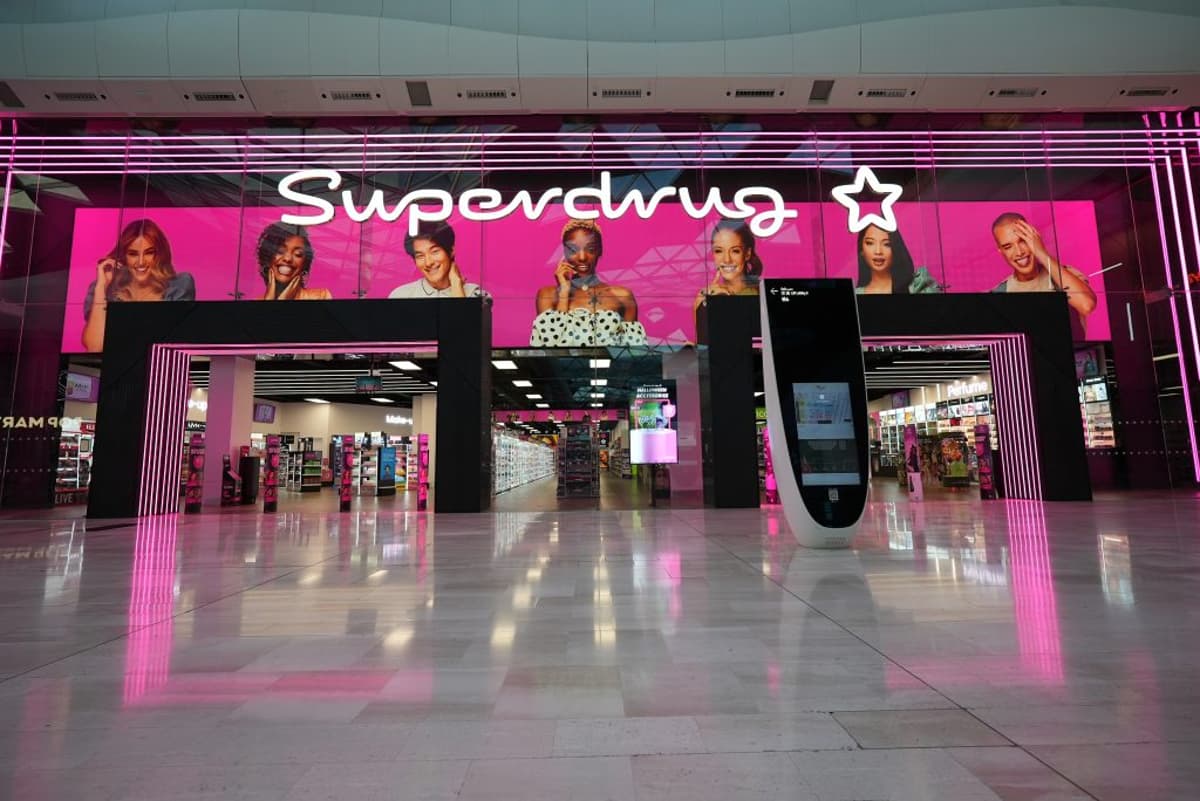
Superdrug’s 2026 store programme arrives at a pivotal moment for UK retail, where physical locations are re‑imagining their role amid digital disruption. While e‑commerce continues to capture market share, consumer research shows a growing appetite for tactile experiences, especially in health and beauty. By targeting high‑traffic retail parks and large‑format venues, Superdrug is positioning itself to capture footfall that blends convenience with discovery, a formula that rivals like Boots and independent pharmacies are also pursuing.
The retailer’s emphasis on experience‑led design reflects a strategic pivot from pure transaction to brand immersion. New stores will feature dedicated zones for beauty consultations, healthcare advice, and affordable treatment services, creating a one‑stop destination that encourages longer dwell times. Coupled with 60 planned refits, the initiative upgrades existing assets to meet modern shopper expectations, potentially increasing average basket size and loyalty. Moreover, the creation of roughly 600 jobs not only supports local economies but also builds a talent pipeline for in‑store expertise, a critical differentiator in a sector where trust and personal service drive purchase decisions.
Industry analysts view Superdrug’s aggressive expansion as a bellwether for the health‑and‑beauty segment’s resilience. By investing in brick‑and‑mortar, the chain bets on a hybrid model where physical stores complement online channels, offering click‑and‑collect and in‑store fulfilment. This approach could yield higher profit margins through premium services and exclusive product lines unavailable online. If consumer demand for experiential retail sustains, Superdrug’s footprint growth may translate into measurable market share gains, reinforcing the viability of large‑format, community‑centric stores in a post‑pandemic retail landscape.
Superdrug to launch 30 new stores in 2026
0
Comments
Want to join the conversation?
Loading comments...