Temu Adds Ribeye Steaks and Pork Chops, Expands Into Perishable Food

Companies Mentioned
Why It Matters
Temu’s entry into frozen meat challenges the conventional separation between discount marketplaces and grocery e‑commerce. By leveraging an existing cold‑chain partner, Temu can experiment with perishable logistics at lower risk, potentially reshaping how low‑price platforms compete for everyday household spend. If successful, the model could spur other discount sites to add food categories, intensifying price competition for traditional grocery retailers. The move also highlights the growing importance of supply‑chain agility in the e‑commerce sector. As consumers increasingly expect fast, affordable delivery of a broader product mix, platforms that can integrate perishable and non‑perishable items under a single checkout experience may capture larger share of the consumer wallet.
Key Takeaways
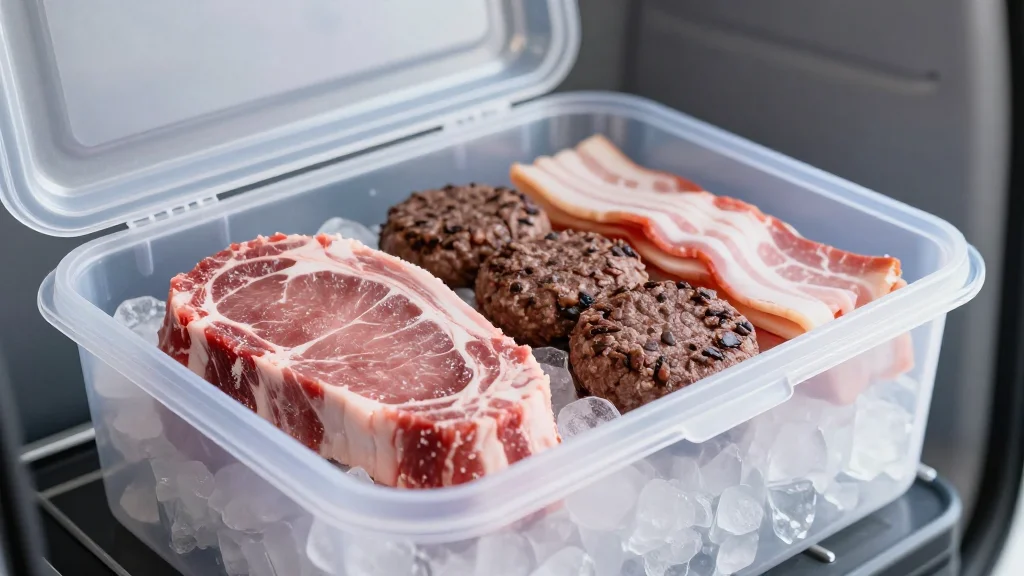
- •Temu now sells frozen ribeye steaks, pork chops, wagyu burger patties and bacon.
- •Products are supplied by Grumpy Butcher, a U.S. frozen‑food company that also serves Amazon and Walmart.
- •Within weeks of launch, 12% of Grumpy Butcher’s online sales came from Temu.
- •The partnership allows Temu to test cold‑chain logistics without building its own refrigerated fleet.
- •Analysts see the move as a potential catalyst for price competition in online grocery.
Pulse Analysis
Temu’s diversification into frozen meat reflects a strategic push to increase average order value and customer frequency. Historically, discount marketplaces have thrived on impulse purchases of low‑cost, non‑essential items. By adding a staple like protein, Temu aims to become a more comprehensive shopping destination, encouraging repeat visits and cross‑category spending. The partnership with Grumpy Butcher mitigates the operational risk of handling perishable goods, but it also ties Temu’s success to a single supplier’s capacity and compliance standards.
From a competitive standpoint, the move could force incumbents to reassess their pricing models. Amazon Fresh and Walmart Grocery already leverage scale to offer low‑price meat, but they operate within broader ecosystems that include Prime membership and in‑store pickup. Temu’s advantage lies in its ultra‑low price perception and a user base accustomed to hunting deals. If the platform can maintain product quality while keeping prices below those of established grocery players, it could carve out a niche among budget‑conscious shoppers who are willing to accept frozen over fresh.
Looking ahead, the key question is whether Temu can scale the perishable offering beyond a pilot phase. Success will depend on expanding cold‑chain partnerships, ensuring food‑safety compliance across multiple states, and managing the higher return rates typical of frozen goods. Should Temu navigate these hurdles, the model could be replicated for other perishable categories, potentially redefining the discount marketplace’s role in the broader e‑commerce ecosystem.
Temu Adds Ribeye Steaks and Pork Chops, Expands Into Perishable Food
Comments
Want to join the conversation?
Loading comments...