The Health and Wellness Trends Modern Retail and Glossy Staffers Are Watching in 2026
•February 5, 2026
0
Companies Mentioned


Why It Matters
Consumer demand for measurable health benefits forces brands to substantiate claims, reshaping product development and marketing across the wellness sector. This accelerates investment in research, supply‑chain transparency, and data‑driven personalization, influencing market share and regulatory scrutiny.
Key Takeaways
- •Wearable health trackers become mainstream for daily monitoring
- •Biohacking drives demand for functional ingredients like adaptogens
- •Consumers demand transparent efficacy data for wellness products
- •Brands pivot to evidence‑based marketing and ingredient transparency
- •Low‑sugar, probiotic, and prebiotic beverages see rapid growth
Pulse Analysis
The proliferation of wearable health technology, exemplified by devices such as the Oura ring, is reshaping consumer expectations in 2026. Real‑time metrics on sleep, heart rate variability, and stress levels are no longer niche; they are becoming baseline data points for everyday decision‑making. This granular feedback loop fuels a culture of self‑optimization, prompting shoppers to seek products that can demonstrably improve the numbers their devices report. Retailers that integrate wearable data into loyalty programs or personalized recommendations are gaining a measurable edge in customer engagement. These insights also inform inventory planning and dynamic pricing.
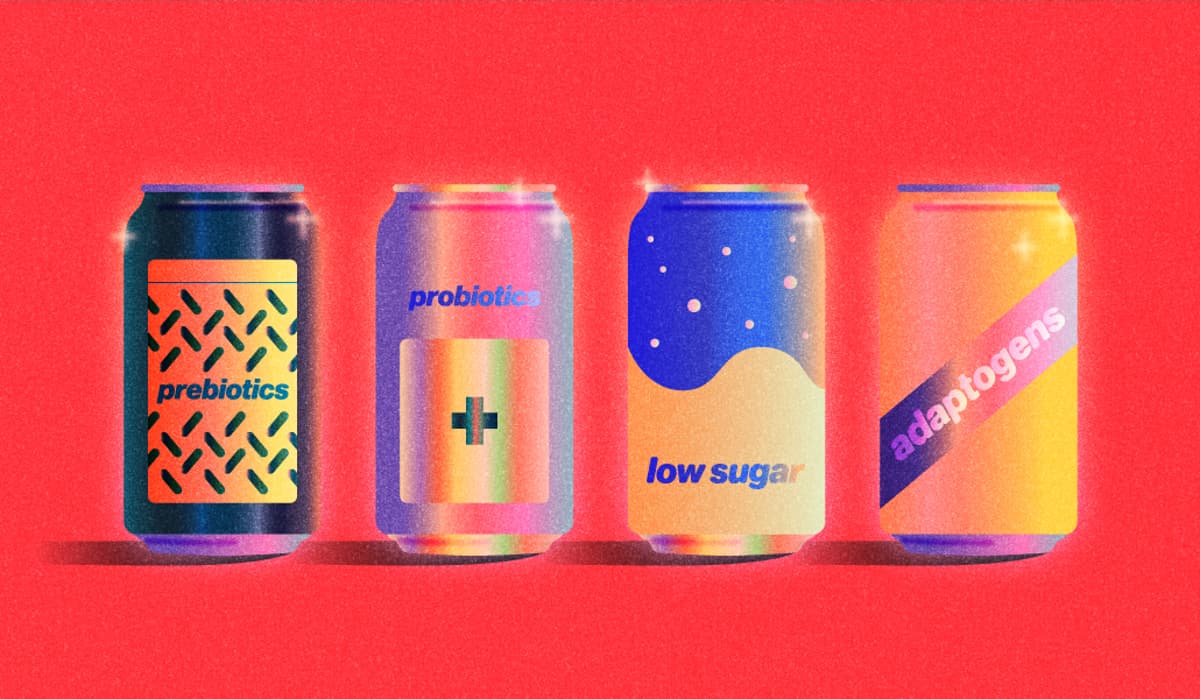
Parallel to wearables, biohacking is accelerating demand for functional ingredients that promise measurable benefits. Adaptogens, pre‑biotics, probiotics, and low‑sugar formulations are surfacing across beverages, snacks, and supplements, each marketed with claims tied to stress resilience, gut health, or metabolic balance. Investors are pouring capital into startups that can validate these effects through clinical trials or real‑world evidence, narrowing the gap between hype and science. As consumers become more data‑savvy, they are scrutinizing label language, favoring products with transparent sourcing and peer‑reviewed efficacy. The trend is especially strong among Gen Z and millennial professionals.
Brands are responding by embedding evidence‑based narratives into their marketing mix and tightening supply‑chain transparency. Partnerships with research institutions enable third‑party verification of ingredient performance, while blockchain traceability tools satisfy the demand for provenance. Regulatory bodies are also tightening guidelines around health claims, compelling marketers to back statements with robust data. Companies that can align product development with both consumer data streams and scientific validation are poised to capture premium market share, setting a new standard for accountability in the wellness sector. Future growth will likely hinge on AI-driven personalization of wellness regimens.
The health and wellness trends Modern Retail and Glossy staffers are watching in 2026
0
Comments
Want to join the conversation?
Loading comments...