TikTok Offers European Fulfillment for Asian Sellers
•January 22, 2026
0


Why It Matters
By controlling both the storefront and the supply chain, TikTok can accelerate cross‑border sales and lock in higher margins, while tighter U.S. logistics rules could reshape the dropshipping model industry‑wide.
Key Takeaways
- •Fulfilled by TikTok launches in four European countries
- •Asian sellers ship inventory to local TikTok warehouses
- •TikTok combines logistics with creator‑driven marketing
- •US sellers must use TikTok logistics, dropshipping limited
- •TikTok Shop aims to outpace Shein, Temu in GMV
Pulse Analysis
TikTok’s rapid ascent in e‑commerce reflects a broader shift toward social‑commerce platforms that blend entertainment with shopping. By leveraging its massive user base, TikTok Shop has already eclipsed traditional marketplaces in growth rate, and analysts predict it will surpass giants like Shein and Temu in total GMV. This momentum is fueled by the platform’s algorithmic discovery engine, which drives high‑intent traffic to product listings, and by its aggressive expansion into new markets across Europe.
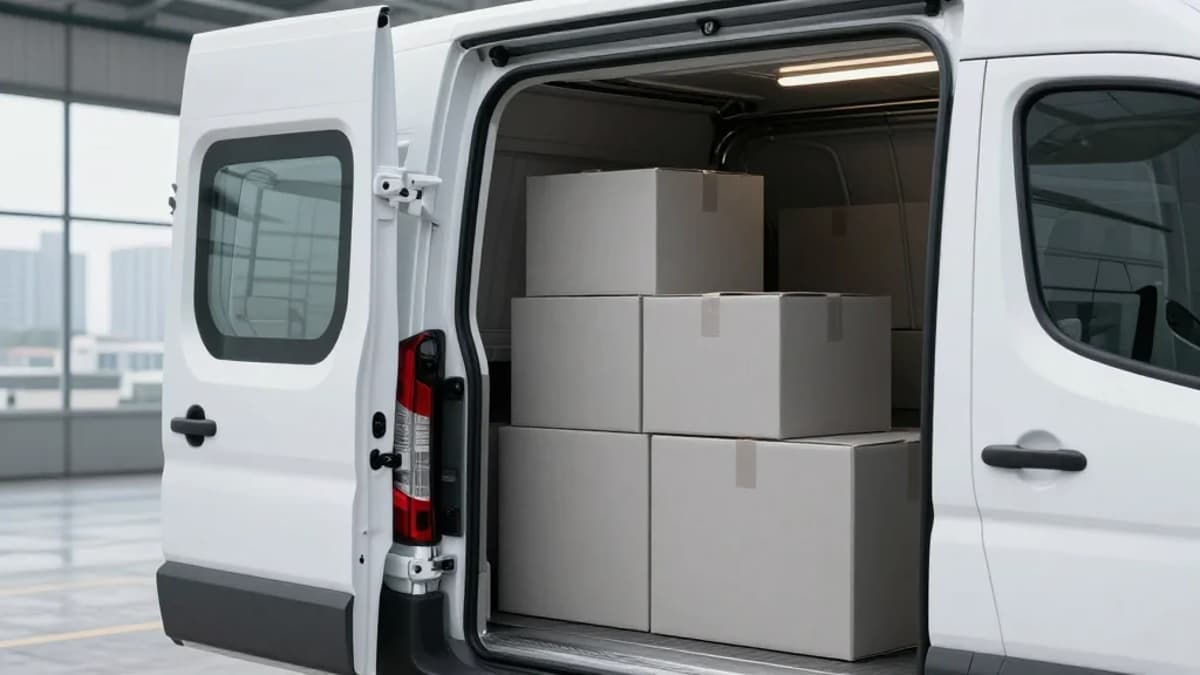
The introduction of Fulfilled by TikTok (FBT) in Germany, France, Italy and Spain gives Asian manufacturers a turnkey logistics solution. Sellers ship bulk inventory to TikTok‑owned warehouses, where the company handles storage, last‑mile delivery and returns. This infrastructure not only shortens delivery times for European consumers but also enables TikTok to pair merchants with local creators, turning product samples into authentic influencer content. The integrated logistics‑marketing model differentiates TikTok from rivals such as Amazon and eBay, which rely on third‑party fulfillment networks.
In contrast, TikTok’s U.S. policy shift to discontinue independent seller shipping signals a tightening of its supply‑chain control. By mandating the use of TikTok‑managed shipping services, the platform curtails dropshipping practices that have long plagued marketplace quality. This could raise operational costs for U.S. merchants but also promises more consistent delivery experiences. The divergent strategies—expansive logistics support in Europe versus stricter enforcement in the United States—highlight TikTok’s adaptive approach to regional regulatory environments and its ambition to become a dominant end‑to‑end commerce ecosystem.
TikTok offers European fulfillment for Asian sellers
0
Comments
Want to join the conversation?
Loading comments...