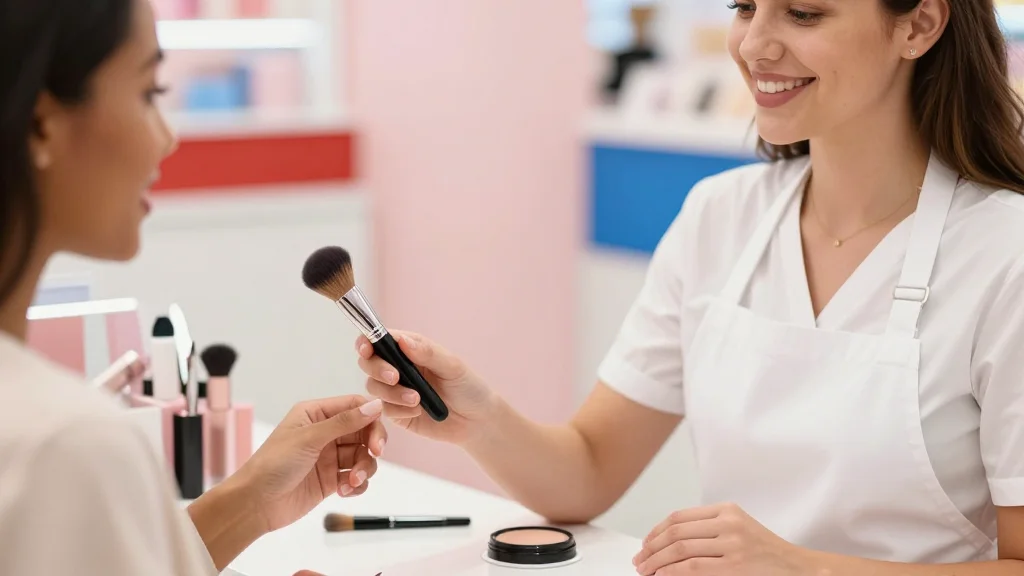
Walmart Deploys In‑Store Beauty Advisors, Targeting 400 Stores by Year‑End

Companies Mentioned
Why It Matters
Walmart’s aggressive rollout of in‑store beauty advisors marks a rare convergence of mass‑market scale and boutique‑level service. By embedding expertise directly on the sales floor, Walmart can boost conversion on high‑margin premium SKUs, improve the overall shopping experience, and differentiate itself from pure‑price competitors. The move also pressures rivals to deepen their own service offerings, potentially reshaping how large retailers compete for beauty spend. If the program drives measurable lift, it could accelerate a broader trend of service‑centric staffing in traditionally low‑touch categories, from electronics to home goods. Retailers may increasingly view human advisors as a hedge against the impersonal nature of e‑commerce and AI‑driven recommendations, reinforcing the relevance of brick‑and‑mortar in a digital‑first era.
Key Takeaways
- •Walmart will have beauty advisors in >400 stores by year‑end, up from 22 pilot locations.
- •The rollout is part of a remodel of 650 stores, moving beauty departments to store fronts.
- •U.S. beauty market is $129 billion; Walmart aims to capture higher‑margin shoppers.
- •Median wage for beauty advisors is $19.54 per hour, about $2 above the retail average.
- •Target plans a similar upscale beauty rollout in 600 stores, intensifying competition.
Pulse Analysis
Walmart’s decision to staff beauty aisles with trained advisors reflects a strategic pivot from pure price competition to experiential differentiation. Historically, mass retailers have relied on self‑service models to keep costs low, but the rise of omnichannel shoppers—who expect both convenience and personalized guidance—has eroded that advantage. By leveraging its unparalleled SKU breadth and nationwide footprint, Walmart can offer a hybrid experience: the convenience of a discount retailer paired with the curated service of a specialty boutique.
The timing aligns with broader industry dynamics. Specialty chains like Sephora have built loyalty through in‑store experiences, while e‑commerce platforms invest heavily in AI‑driven recommendation engines. Walmart’s human‑centric approach sidesteps the trust gap that many consumers still feel toward algorithmic suggestions, especially in categories like makeup where shade matching is tactile. Moreover, the modest wage premium for beauty advisors suggests the model is financially sustainable, especially if it lifts average basket size and drives repeat visits.
Looking ahead, the success of this program could set a template for other high‑touch categories. If advisors prove effective in driving premium sales, Walmart may replicate the model in electronics, home décor or even grocery specialty sections. Competitors will likely respond with their own service enhancements, potentially sparking a new wave of in‑store expertise that re‑infuses brick‑and‑mortar with a purpose beyond mere fulfillment. The key question remains whether the incremental labor cost translates into sufficient revenue uplift to justify a permanent shift in Walmart’s operating model.
Walmart Deploys In‑Store Beauty Advisors, Targeting 400 Stores by Year‑End
Comments
Want to join the conversation?
Loading comments...