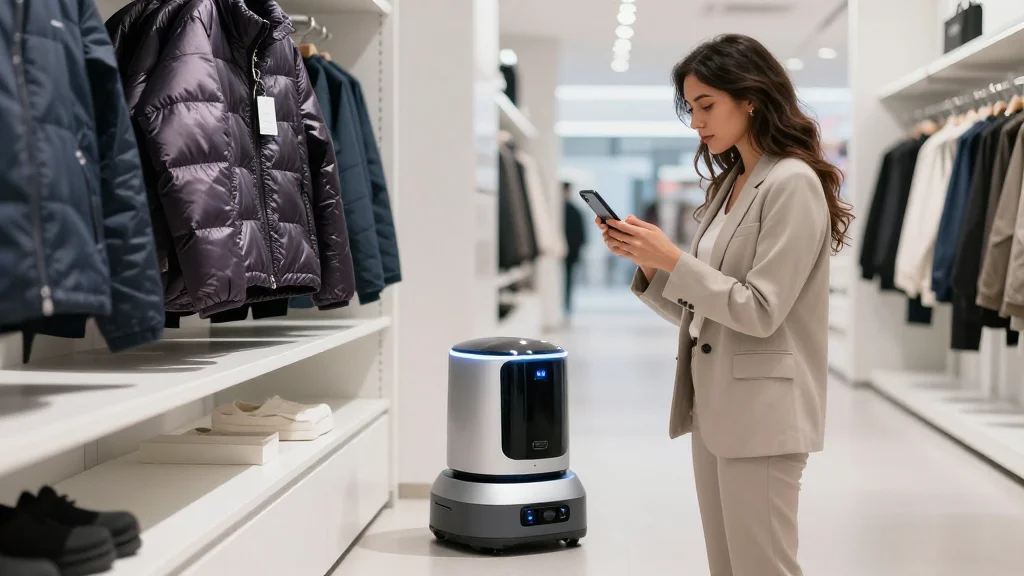
What’s Next for Retail: Technology, Transparency and Total Opportunity
Why It Matters
Integrated analytics turn fragmented data into profit‑driving insight, giving retailers a decisive edge in a hyper‑competitive market. Transparency and real‑time intelligence also deepen trust with partners and consumers, fueling loyalty and growth.
Key Takeaways
- •AI-driven retailers grow sales 2.3× faster
- •Integrated analytics cut shrink by linking inventory and video
- •Cloud‑based APIs unify legacy systems for personalization
- •IoT sensors enable real‑time store performance insights
- •Transparency boosts trust across partners and shoppers
Pulse Analysis
The retail sector’s first digital wave focused on moving point‑of‑sale registers, inventory lists and supply‑chain data onto online platforms. Today that foundation is giving way to a second‑generation strategy that stitches those silos together through cloud‑native, API‑driven ecosystems. By consolidating legacy ERP, CRM and merchandising systems into a single data fabric, retailers can deliver truly personalized experiences at scale—matching the speed of a shopper’s mobile search with in‑store inventory and pricing in real time. This integration also reduces IT overhead, allowing capital to flow toward innovation rather than maintenance.
Artificial intelligence and machine‑learning models are the engines that turn unified data into actionable insight. AI‑powered video analytics can differentiate repeat customers from staff, while IoT sensors track product movement from dock to shelf, feeding loss‑prevention algorithms that pinpoint shrink before it escalates. When item‑level inventory data is fused with foot‑traffic counts and sales velocity, retailers gain a granular view of conversion funnels and can dynamically adjust pricing, promotions, or staffing. Early adopters of these capabilities have reported sales growth 2.3 times and profit expansion 2.5 times faster than peers.
The ripple effect of an integrated, transparent retail stack extends beyond the storefront. Greater visibility into supply‑chain and shopper behavior builds trust with vendors, reduces disputes, and strengthens brand loyalty among consumers who value ethical sourcing and data privacy. As expectations for seamless omnichannel experiences rise, retailers that embed real‑time analytics into decision‑making will be better positioned to pivot amid market shocks, from sudden demand spikes to regulatory changes. Continuous investment in scalable hardware and open‑source AI frameworks ensures the industry can keep pace with the relentless cycle of innovation that defines modern retail.
What’s next for retail: Technology, transparency and total opportunity
Comments
Want to join the conversation?
Loading comments...