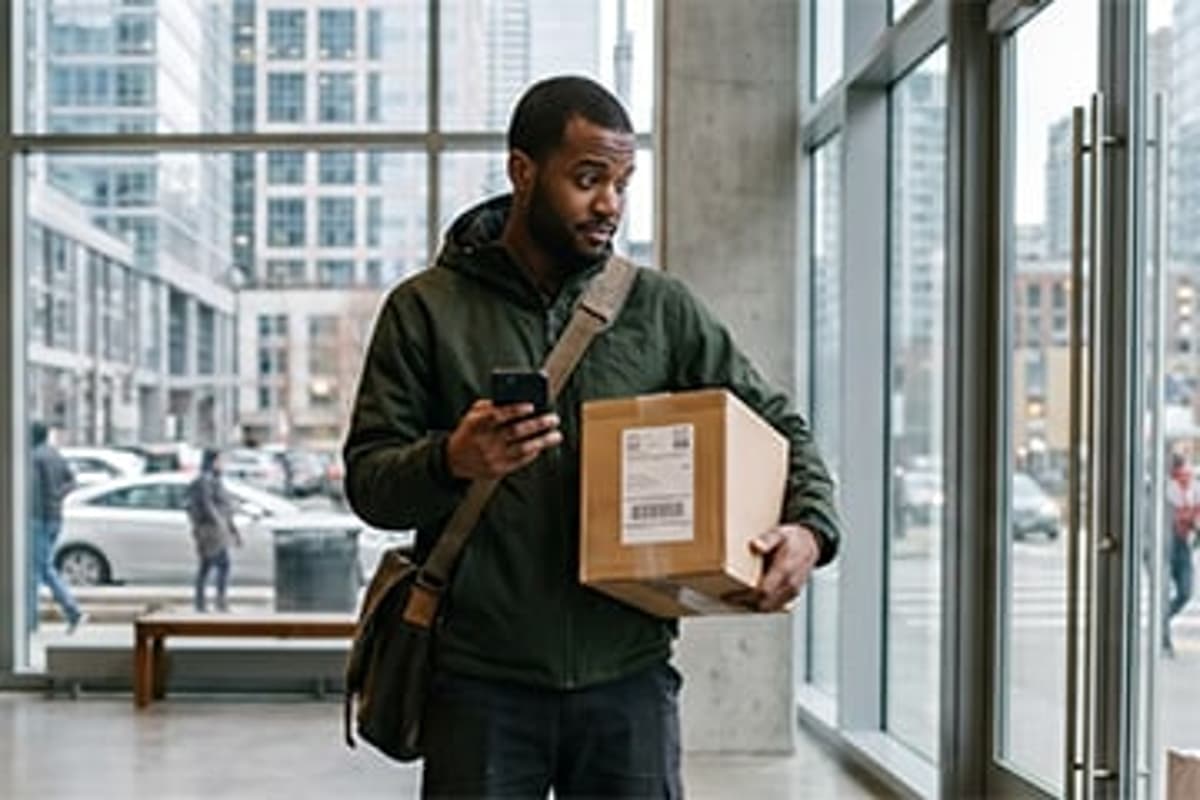
Who Delivers Your Orders Matters
Why It Matters
The move underscores how last‑mile logistics are becoming a competitive differentiator, allowing retailers to cut costs and meet consumer expectations for rapid delivery. However, the reliance on gig drivers raises quality control challenges that could impact brand reputation, especially for smaller merchants.
Key Takeaways
- •Target expands Shipt same‑day delivery to 100+ U.S. stores in 2026
- •Using store‑based fulfillment cuts Target’s delivery cost by $2.50 per package
- •Gig‑economy drivers improve speed but increase inconsistency and theft risk
- •Small merchants face higher margin pressure from delivery failures than large retailers
Pulse Analysis
The surge of e‑commerce has turned the final mile into a battlefield for retailers seeking to win customer loyalty. Companies like Target are now turning their brick‑and‑mortar footprint into micro‑fulfillment hubs, using the Shipt platform to dispatch gig‑economy drivers from nearby stores. This approach mirrors moves by Walmart and Amazon, which have also experimented with store‑based delivery networks. By shrinking the distance between inventory and the consumer, retailers can offer tighter delivery windows without relying on expensive air or long‑haul trucking, a shift that reshapes the logistics landscape.
From a financial perspective, Target’s model promises tangible savings. Internal estimates suggest a reduction of about $2.50 per package when orders are pulled from a local store rather than a regional distribution center, translating into millions of dollars annually at scale. Fewer handling points also mean lower labor costs and reduced risk of damage during transit. Moreover, the ability to fulfill orders from existing retail space eliminates the need for new, capital‑intensive fulfillment centers, allowing retailers to expand delivery coverage with minimal fixed‑asset investment.
Despite the upside, the gig‑driven framework introduces new vulnerabilities. Part‑time drivers often lack the training of traditional carrier staff, leading to inconsistent drop‑off practices and heightened exposure to theft, especially in multi‑unit dwellings. Large chains can cushion these missteps with robust customer‑service teams, but smaller merchants may face disproportionate refund and reputation costs. To mitigate risk, retailers are investing in real‑time tracking, secure access codes, and performance‑based driver incentives. As the industry balances speed, cost, and reliability, the quality of the last‑mile experience will increasingly dictate brand perception.
Who Delivers Your Orders Matters
Comments
Want to join the conversation?
Loading comments...