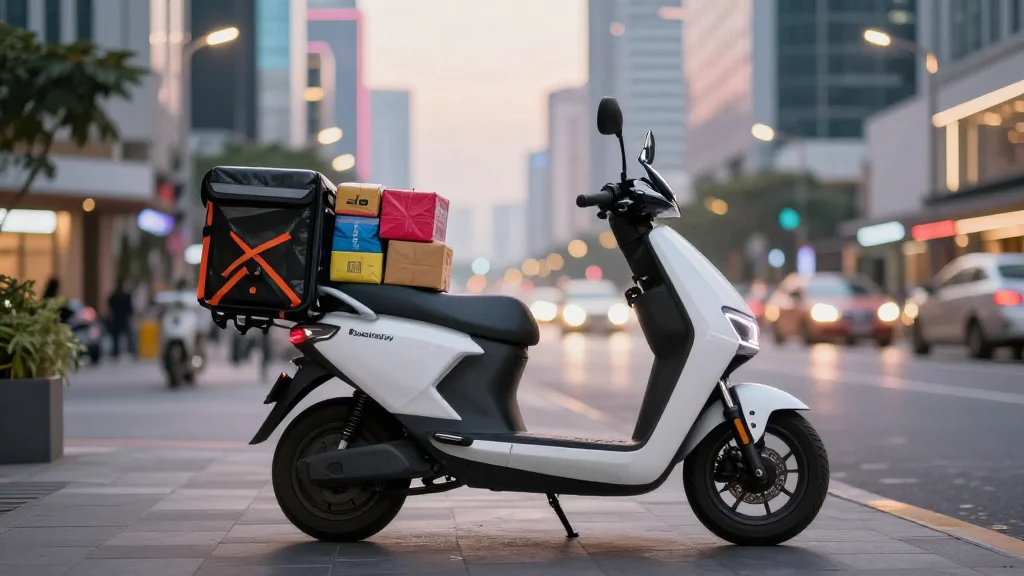
Why Quick Commerce Is Really About Frequency, Not Speed
Why It Matters
By converting occasional transactions into routine interactions, platforms can lock in larger wallet share and create defensible ecosystems, reshaping retail competition across Southeast Asia’s fast‑growing e‑commerce market.
Key Takeaways
- •Quick commerce aims to boost user frequency, not just order size
- •Southeast Asia features multiple fulfillment models: dark stores, partner networks, on‑demand fleets
- •Hyper‑local inventory and routing become core competitive assets
- •Brands must choose between building delivery capability or partnering with platform operators
Pulse Analysis
The rapid rise of quick commerce in Southeast Asia is less about shaving minutes off delivery times and more about embedding platforms into the rhythm of daily life. Frequency, not basket size, has become the primary lever for platform economics; a consumer ordering twice a week generates more data, higher payment engagement, and greater cross‑selling potential than a monthly shopper with a larger cart. This habit‑driven model transforms a shopping app into an operating system for urban consumption, where speed serves as a catalyst for repeat usage rather than an end goal.
Regional players are experimenting with a patchwork of fulfillment strategies that mirror the diversity of Southeast Asian cities. Shopee leverages its on‑demand fleet and ShopeeFood infrastructure to pick up from third‑party sellers, while Grab extends its existing rider network through GrabMart, integrating supermarkets and local retailers. Lazada pursues a more controlled dark‑store approach in Singapore via RedMart Now, and independent operators like Astro and FoodMax add further nuance. The lack of a single dominant model underscores the importance of local density, traffic patterns, and labor costs, making each market a distinct battleground for speed, cost efficiency, and brand relevance.
For retailers and brands, the shift forces a strategic reassessment of inventory placement, pricing, and partnership choices. Companies must decide whether to build proprietary fast‑delivery capabilities or align with dominant platforms that already own the last‑mile infrastructure. Pricing strategies will balance premium convenience fees against volume‑driven acquisition costs, while inventory intelligence determines which SKUs belong in hyper‑local hubs versus traditional warehouses. Start‑ups can find defensible niches in routing software, cold‑chain logistics, or merchant tools that help navigate fragmented fulfillment models. Ultimately, the winner will be the platform that turns speed into a habit‑building engine, capturing not just the first order but the entire consumer lifecycle.
Why quick commerce is really about frequency, not speed
Comments
Want to join the conversation?
Loading comments...