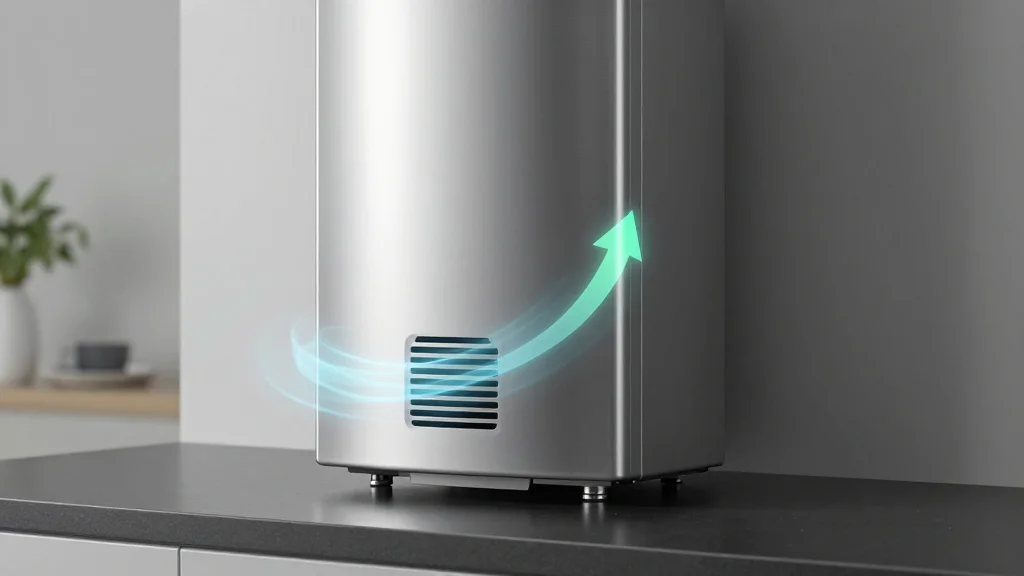
Cala Debuts Smart Heat‑Pump Water Heater, Aiming to Disrupt Home Energy Market

Companies Mentioned
Why It Matters
Cala’s launch underscores the growing convergence of energy efficiency, electrification and digital control in the residential sector. By treating a water heater as a flexible, data‑driven asset, the startup illustrates how traditional appliances can become active participants in grid management, offering homeowners lower bills and utilities a new tool for demand response. If successful, Cala could inspire a wave of similar smart‑appliance startups, intensifying competition and driving faster innovation across the home‑energy ecosystem. Moreover, the HPWH market is a critical lever for U.S. decarbonization. Water heating accounts for a sizable share of residential energy use, and shifting from fossil‑fuel boilers to electric heat‑pump units can cut emissions dramatically. Cala’s emphasis on predictive controls and integration with solar generation could make the technology more attractive to cost‑conscious consumers, accelerating the market’s transition toward zero‑carbon heating.
Key Takeaways
- •Cala launched the first startup‑born smart heat‑pump water heater late last year
- •Device uses NREL‑licensed predictive controls to schedule heating based on usage, rates and solar output
- •HPWHs are up to three times more efficient than standard electric water heaters, which make up 46% of U.S. units
- •Cala aims to position the heater as a thermal battery, supporting grid demand‑response and home electrification
- •Company will pilot the product in solar‑rich, time‑of‑use markets while seeking additional funding for scale
Pulse Analysis
Cala’s entry into the HPWH arena reflects a broader trend where software‑centric startups are challenging entrenched hardware players. Historically, appliance markets have been slow to adopt rapid iteration cycles because of safety regulations and long product lifespans. By leveraging a predictive‑control platform licensed from a national lab, Cala sidesteps much of the R&D burden and focuses on integration, a classic lean‑startup playbook. This approach could force incumbents like Rheem and A. O. Smith to accelerate their own smart‑home features or risk losing market share to more agile competitors.
From a financial perspective, the HPWH segment is still in its early growth phase, with annual shipments increasing year‑over‑year but remaining a fraction of the overall water‑heater market. Cala’s ability to secure utility partnerships will be pivotal; utilities are increasingly offering rebates for high‑efficiency appliances and are looking for assets that can shave peak demand. If Cala can demonstrate quantifiable savings—both on the consumer bill and on grid load—it may unlock a new revenue stream through performance‑based contracts, a model that has proven lucrative for other energy‑tech startups.
Looking ahead, the success of Cala will hinge on three variables: the reliability of its predictive algorithms in diverse climates, the scalability of its manufacturing supply chain, and the willingness of homeowners to adopt a more connected, data‑rich appliance. Should the startup navigate these challenges, it could set a template for a new generation of intelligent, grid‑interactive home devices that accelerate the United States’ path to a carbon‑free residential sector.
Cala Debuts Smart Heat‑Pump Water Heater, Aiming to Disrupt Home Energy Market
Comments
Want to join the conversation?
Loading comments...