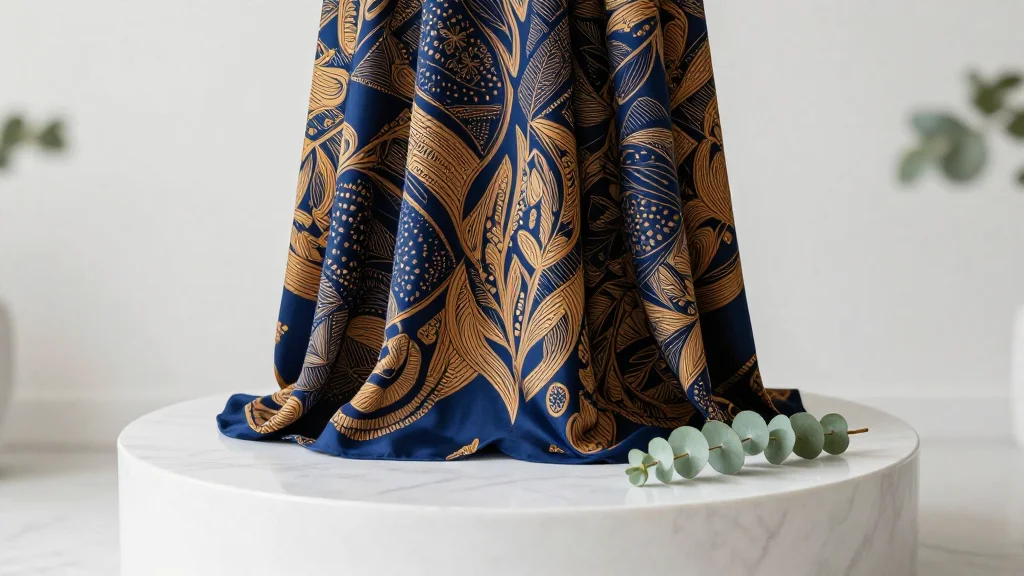
Fashion Nation XIX Puts Indonesian Heritage at the Heart of Global Luxury

Why It Matters
Indonesia’s pivot toward heritage‑driven luxury reshapes the global fashion hierarchy, offering an alternative to Western‑centric narratives and expanding the pool of sustainable, culturally rich sources for high‑end apparel. By leveraging batik and tenun in a modern context, the country not only preserves endangered crafts but also taps into a growing consumer appetite for authenticity and ethical production, potentially redefining supply‑chain dynamics across the industry. The government’s backing of the creative economy signals a strategic diversification away from low‑margin manufacturing, positioning fashion as a catalyst for broader economic development. Success at Fashion Nation XIX could inspire other emerging markets to follow a similar path, accelerating a worldwide shift toward localized, sustainable luxury.
Key Takeaways
- •Fashion Nation XIX marked the 19th edition of Indonesia’s premier fashion showcase.
- •Designers spotlighted UNESCO‑recognized batik and tenun textiles as luxury materials.
- •The event positioned Indonesia as a leader in the global modest‑fashion market.
- •Government ministries are promoting digitalization and sustainability within the creative sector.
- •A shift toward slow fashion emphasizes organic dyes, recycled fibers and artisanal craftsmanship.
Pulse Analysis
Indonesia’s rapid ascent from a volume‑driven garment exporter to a heritage‑centric luxury hub reflects a broader reconfiguration of fashion power centers. Historically, the country supplied fast‑fashion giants with low‑cost apparel, a model that generated employment but offered limited value capture. Fashion Nation XIX illustrates a strategic pivot: by marrying centuries‑old textile techniques with contemporary design, Indonesian creators are extracting higher margins and cultivating a distinct brand narrative that resonates with global consumers seeking authenticity.
The timing aligns with two macro trends—rising demand for modest fashion and heightened scrutiny of environmental impact. Indonesia’s deep reservoir of batik and tenun, already protected by UNESCO, provides a ready‑made answer to both. Designers are able to claim provenance, sustainability and cultural relevance in a single package, a trifecta that commands premium pricing. This positions the nation to compete not just on aesthetics but on story‑telling, a critical differentiator in today’s luxury market.
However, scaling this model will test Indonesia’s infrastructure. Ethical sourcing at scale requires investment in training, quality control and transparent logistics—areas where the country’s manufacturing legacy offers both advantage and obstacle. Government incentives can accelerate progress, but they must be paired with private‑sector innovation, such as blockchain‑based provenance tracking and e‑commerce platforms that connect rural artisans directly with global buyers. If these elements coalesce, Indonesia could rewrite the economics of fashion, turning a historically low‑margin sector into a high‑value cultural export.
Fashion Nation XIX Puts Indonesian Heritage at the Heart of Global Luxury
Comments
Want to join the conversation?
Loading comments...