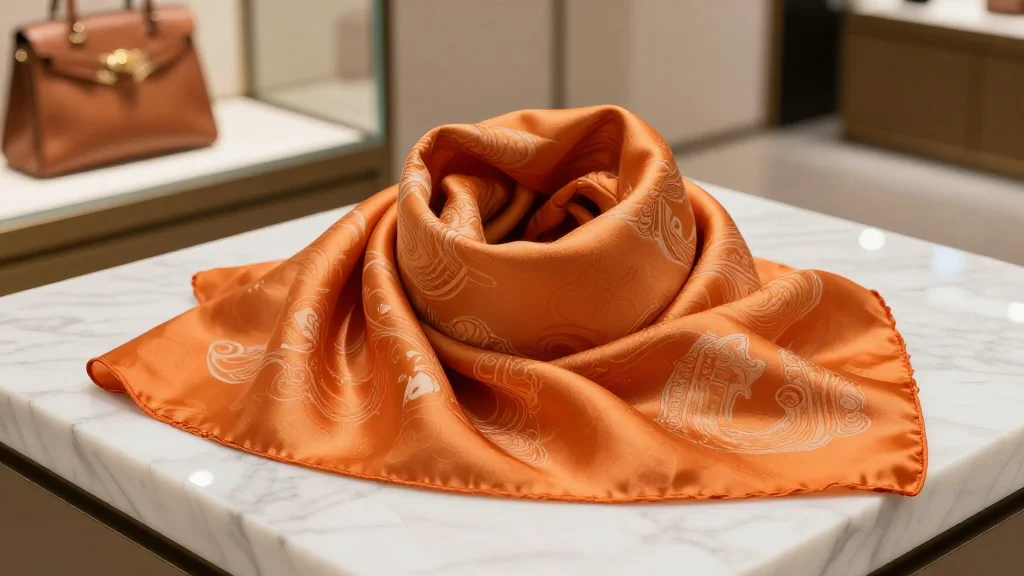
Hermès Opens First Stand‑Alone Boutique in Beijing’s Sanlitun District


Why It Matters
The Beijing boutique illustrates how luxury brands are re‑engineering their retail footprints to meet the expectations of Chinese consumers who value cultural relevance as much as product quality. By integrating local artists and heritage cues, Hermès is not only differentiating its in‑store experience but also building a narrative that resonates with a market that now drives a sizable share of global luxury growth. The store also serves as a bellwether for the future of high‑end retail in China, where experiential spaces are becoming as critical as the merchandise itself. Success here could accelerate similar projects across the region, prompting competitors to deepen cultural collaborations and invest in purpose‑built flagship locations rather than relying on department‑store concessions.
Key Takeaways
- •Hermès opened its first stand‑alone Beijing boutique in Sanlitun, a five‑story, rose‑pink and terracotta‑clad building.
- •Design by RDAI and Mamou‑Mani Architects incorporates Forbidden City motifs and natural light.
- •Local artists Liu Jianhua and Tong Ren contributed installations and a special collection for the launch.
- •The store offers the full Hermès range, including leather, silk, jewelry, watches, home goods and private salons.
- •Hermès aims to boost Beijing same‑store sales by double‑digit percentages and plans a Shanghai flagship for late 2026.
Pulse Analysis
Hermès’ Beijing flagship reflects a maturation of the luxury‑retail playbook in China. Early in the 2010s, brands focused on rapid store count growth, often using generic interiors that emphasized product over place. Today, the emphasis has shifted to storytelling, with architecture and local art serving as extensions of the brand’s DNA. Hermès’ partnership with Chinese creators signals a willingness to co‑create cultural value, a tactic that can deepen emotional loyalty among affluent shoppers who are increasingly discerning about authenticity.
From a competitive standpoint, the boutique pits Hermès directly against the flagship experiences of Louis Vuitton, Gucci and Burberry, all of which have already opened multi‑level, culturally infused stores in Beijing. Hermès differentiates itself through its heritage of craftsmanship and its curated artistic collaborations, which may appeal to consumers seeking a more understated, heritage‑driven luxury narrative. The store’s location in Sanlitun also positions it within a vibrant, internationally minded district, allowing the brand to capture both domestic high‑net‑worth individuals and expatriate clientele.
Looking ahead, the success of this flagship will likely influence Hermès’ rollout strategy across other Tier‑1 and Tier‑2 Chinese cities. If the boutique drives the projected double‑digit sales lift, it could validate a model where cultural integration and experiential retail become prerequisites for market expansion. Conversely, any shortfall may prompt a reassessment of the cost‑intensive flagship approach, potentially steering the brand back toward selective partnerships with premium department stores. Either outcome will shape how luxury houses allocate capital in a market that remains a cornerstone of global growth.
Hermès Opens First Stand‑Alone Boutique in Beijing’s Sanlitun District
Comments
Want to join the conversation?
Loading comments...