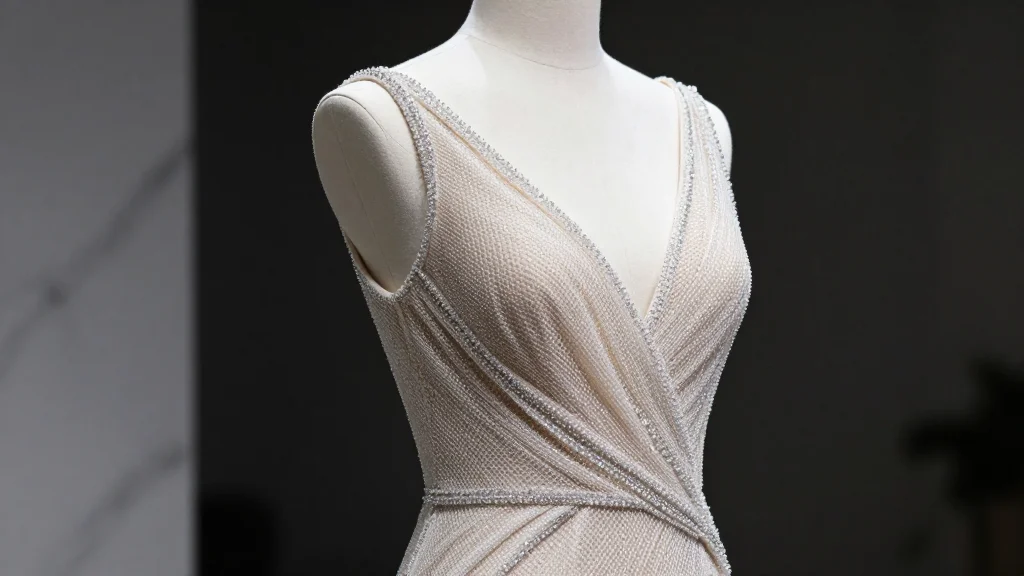
Jean Paul Gaultier Tied to Mesh‑Heavy "Fashion Is Art" Theme for 2026 Met Gala

Companies Mentioned
Why It Matters
The 2026 Met Gala preview signals a pivotal moment where museum curation and high fashion intersect more deliberately than ever. By centering the event on the "Costume Art" exhibition and a mesh‑heavy dress code, the Met is positioning itself as a catalyst for trend‑setting, influencing designers, retailers, and consumers alike. Jean Paul Gaultier’s anticipated involvement adds historical gravitas, linking past avant‑garde innovations with contemporary body‑positive narratives. This synergy could accelerate the adoption of sculptural, body‑centric designs across the industry, while also reinforcing the museum’s role as a driver of cultural discourse. Furthermore, the collaboration underscores a broader shift toward experiential fashion, where runway shows, museum exhibitions, and red‑carpet events co‑create a unified storytelling platform. Stakeholders—from luxury houses to fast‑fashion brands—will be watching how the mesh motif translates into commercial collections, potentially reshaping supply chains, marketing strategies, and consumer expectations for the next fashion cycle.
Key Takeaways
- •Met Gala 2026 will revolve around the Costume Institute’s "Costume Art" exhibition.
- •Official dress code announced as "Fashion Is Art," emphasizing body‑centric fashion.
- •Jean Paul Gaultier, known for pioneering mesh, is expected to provide marquee looks.
- •Mesh‑heavy aesthetic likely to influence spring‑summer 2026 runway collections.
- •Met’s focus on a permanent‑gallery exhibition marks a strategic shift toward lasting cultural impact.
Pulse Analysis
The Met’s decision to tether the 2026 Gala to a permanent‑gallery exhibition reflects a strategic evolution in how cultural institutions leverage high‑profile events. Historically, the Gala has functioned as a one‑off fundraiser, but by embedding the theme within "Costume Art," the museum creates a legacy that can be revisited and referenced year after year. This move not only enhances the Met’s relevance in the fashion calendar but also offers designers a more concrete narrative framework to work within.
Jean Paul Gaultier’s potential involvement is more than a nostalgic nod; it signals a resurgence of the mesh motif that first disrupted the 1990s runway. Mesh, with its semi‑transparent qualities, aligns perfectly with the "Fashion Is Art" directive, allowing designers to explore vulnerability, exposure, and the interplay of light and skin. As designers translate this aesthetic into ready‑to‑wear, we can expect a surge in technical fabric innovations, from breathable, stretch‑engineered mesh to sustainable, recycled variants that meet growing consumer demand for eco‑friendly luxury.
From a market perspective, the Gala’s influence extends beyond the red carpet. Retailers will likely accelerate mesh‑centric product drops, while digital platforms will amplify the visual language through social media filters and AR try‑on experiences. The convergence of museum curation, designer heritage, and consumer tech creates a feedback loop that could redefine seasonal forecasting. Brands that quickly adapt to the mesh trend may capture early market share, whereas laggards risk appearing out of touch with the cultural moment the Met is orchestrating.
Overall, the 2026 Met Gala preview illustrates how fashion’s elite events are becoming incubators for broader industry shifts. By aligning a historic designer’s legacy with a forward‑looking exhibition, the Met is not just staging a night of spectacle—it is setting the agenda for the next wave of fashion innovation.
Jean Paul Gaultier Tied to Mesh‑Heavy "Fashion Is Art" Theme for 2026 Met Gala
Comments
Want to join the conversation?
Loading comments...