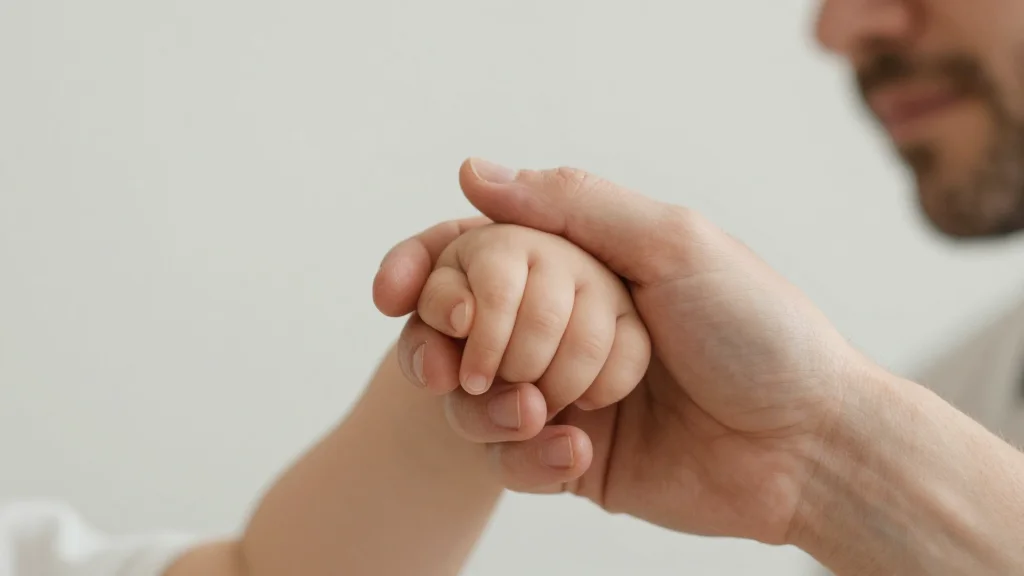
ER Doctor Says Angelman Diagnosis Redefined His Practice and Fatherhood

Why It Matters
D'Orazio’s account shines a light on a hidden intersection of fatherhood and medicine: the experience of physicians who become parents of children with rare, lifelong conditions. By exposing the emotional and logistical challenges they face, the story urges healthcare institutions to rethink wellness programs, incorporate caregiver support, and acknowledge that professional competence does not immunize doctors from personal vulnerability. For fathers navigating similar journeys, the narrative validates their grief, highlights the importance of community, and underscores that professional identity can evolve rather than erode in the face of rare‑disease parenting. Beyond individual impact, the piece signals a broader cultural shift. As more clinicians share personal stories, the stigma around physician mental health may diminish, prompting systemic changes that benefit patients, families, and the workforce alike. The ripple effect could improve patient care by fostering more empathetic providers who understand the lived reality of chronic illness.
Key Takeaways
- •Dr. Joseph D'Orazio received his son Gabe's Angelman syndrome diagnosis during an ER shift in 2023.
- •He describes the diagnosis as a turning point that forced him to confront personal grief and reshape his clinical approach.
- •Angelman syndrome's hallmark sleep disturbances led to chronic exhaustion for the family.
- •D'Orazio calls for hospital‑based peer‑support networks for physician‑parents of children with rare diseases.
- •Upcoming webinars aim to share strategies for balancing demanding medical careers with intensive caregiving.
Pulse Analysis
The narrative of Dr. Joseph D'Orazio is emblematic of a growing awareness that physicians are not immune to the emotional fallout of rare‑disease diagnoses within their own families. Historically, medical training has emphasized clinical detachment, yet the modern emphasis on physician wellness is beginning to acknowledge that personal crises can erode professional performance. D'Orazio’s experience illustrates how a single diagnosis can catalyze a shift from a purely technical mindset to a more holistic, patient‑centered perspective—one that values emotional intelligence as much as diagnostic acumen.
From a market standpoint, the story dovetails with a surge in corporate investment in caregiver support platforms and mental‑health apps tailored for healthcare workers. Companies that provide digital peer‑support, such as BetterHelp for clinicians or specialized rare‑disease community apps, stand to benefit from heightened demand as more physicians seek resources that bridge their dual roles. Moreover, hospitals that embed structured support for physician‑parents may see lower turnover rates, translating into cost savings and improved patient outcomes.
Looking forward, the key question is whether institutions will translate anecdotal advocacy into concrete policy. If hospitals adopt systematic caregiver‑support programs, we could witness a measurable improvement in physician retention and patient satisfaction scores. Conversely, without institutional backing, the burden will continue to fall on individual doctors, risking burnout and a potential decline in the quality of care for both their patients and their own families. D'Orazio’s story thus serves as both a cautionary tale and a roadmap for integrating fatherhood realities into the fabric of modern medical practice.
ER Doctor Says Angelman Diagnosis Redefined His Practice and Fatherhood
Comments
Want to join the conversation?
Loading comments...