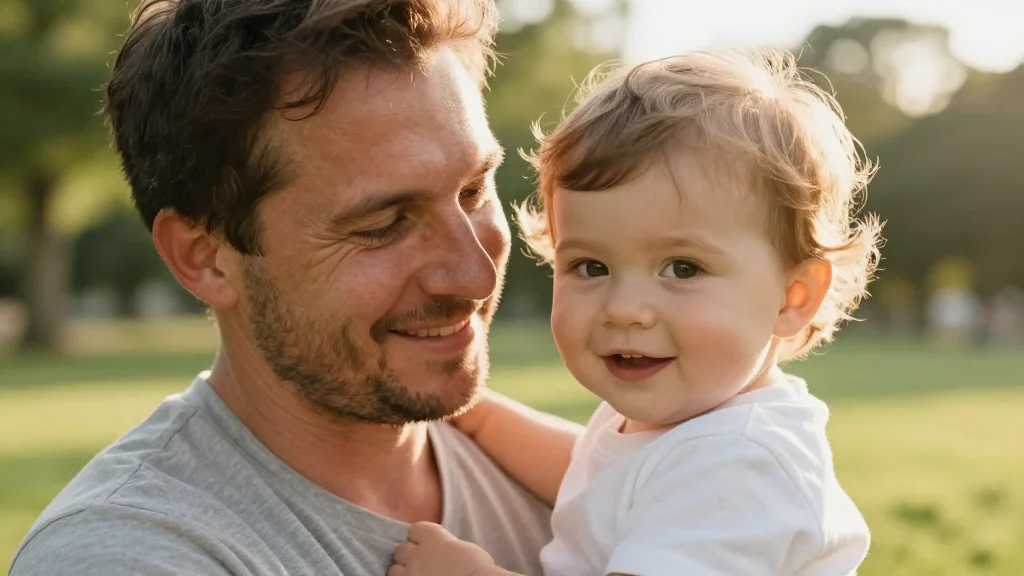
Psychologist Says 'Boys Don’t Cry' Mindset Harms Fathers, Urges Emotional Openness

Why It Matters
The push to dismantle the "boys don’t cry" narrative directly impacts fatherhood because fathers’ emotional health shapes family dynamics, child development, and workplace productivity. When fathers feel free to express vulnerability, they are more likely to engage in nurturing parenting practices, reducing the intergenerational transmission of toxic masculinity. Moreover, the broader societal shift toward emotional openness could influence public‑policy priorities, prompting increased funding for paternal mental‑health programs, workplace wellness initiatives, and school curricula that teach emotional literacy. These changes promise to improve not only individual well‑being but also community health outcomes.
Key Takeaways
- •"boys don’t cry" mantra labeled outdated by psychologist S Giriprasad
- •Giriprasad warns emotional suppression leads to anxiety, depression, and physical symptoms
- •Study links paternal emotional health to child emotional development and family stability
- •Advocates propose workshops and media campaigns to create safe spaces for fathers
- •Potential policy shifts could increase funding for paternal mental‑health services
Pulse Analysis
The conversation sparked by Giriprasad reflects a broader cultural reckoning with gendered expectations. Historically, paternal mental‑health has been sidelined in public discourse, with men encouraged to embody stoic resilience. Recent data, however, show a surge in paternal depression rates, especially post‑pandemic, underscoring the urgency of this dialogue. By positioning emotional expression as a form of strength, Giriprasad aligns with a growing cohort of psychologists who argue that vulnerability is a strategic asset rather than a weakness.
From a market perspective, this shift opens opportunities for mental‑health platforms, tele‑therapy services, and corporate wellness programs to tailor offerings for fathers. Companies that integrate father‑focused support into employee benefits could see gains in retention and productivity, as research links emotional well‑being to reduced absenteeism. Simultaneously, media outlets and influencers have a clear content niche: storytelling that normalizes paternal vulnerability, which can attract both audiences and advertisers seeking socially responsible branding.
Looking forward, the key challenge will be translating awareness into sustained behavior change. While workshops and campaigns can spark conversation, systemic support—such as insurance coverage for paternal counseling and school programs that teach emotional literacy—will determine whether the cultural narrative truly evolves. Stakeholders across health, education, and corporate sectors must coordinate to embed these practices into daily life, ensuring that the next generation of fathers grows up with a healthier script for masculinity.
Psychologist says 'boys don’t cry' mindset harms fathers, urges emotional openness
Comments
Want to join the conversation?
Loading comments...