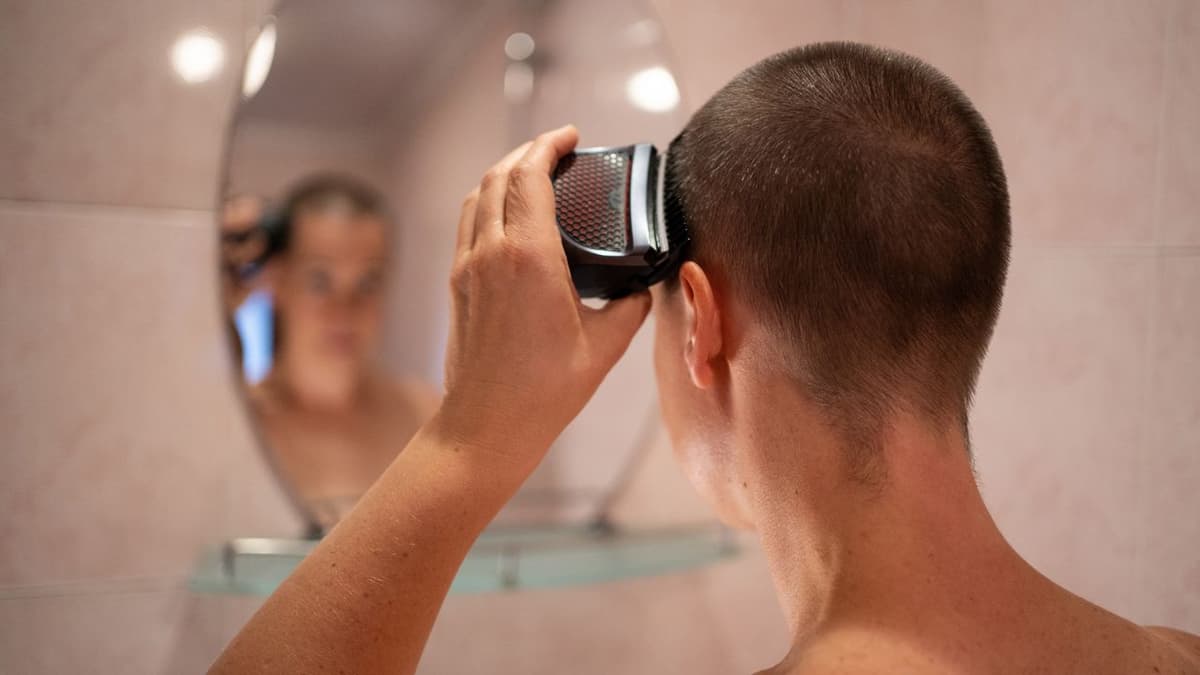
13 Hours Saved over 78 Days: Inside Lael Wilcox’s Shaved-Head Strategy for Her Around-the-World Record Bid
•March 6, 2026
0
Why It Matters
Saving minutes in ultra‑distance events can mean the difference between a record and a missed target, highlighting how marginal gains and data‑driven equipment choices are reshaping endurance cycling.
Key Takeaways
- •Wilcox shaved head to save 10 minutes daily
- •Target: 78‑day, 18,000‑mile world record attempt
- •Wind‑tunnel testing refined aero bars, tyres, and hair
- •Choosing Specialized Roubaix for comfort over TT bike
- •Aims to cut 30 days from previous 2024 ride
Pulse Analysis
In ultra‑endurance cycling, the cumulative effect of tiny efficiencies can outweigh raw power. Wilcox’s decision to buzz her hair isn’t a vanity stunt; it eliminates a ten‑minute grooming window each day, which adds up to over half a day across a 78‑day campaign. This mindset mirrors the broader "marginal gains" philosophy popularized in elite road racing, where athletes scrutinize every variable—from nutrition timing to helmet aerodynamics—to shave seconds off each segment. For a record that demands roughly 240 miles per day, those seconds compound into decisive hours.
Wilcox’s partnership with Specialized illustrates how manufacturers are leveraging wind‑tunnel data to fine‑tune gear for extreme distance riders. Tests confirmed that a 32 mm tyre, an aero‑bar bag, and a streamlined hair profile each contribute measurable drag reductions. Yet, despite the allure of full time‑trial machines, she opted for the Roubaix, a bike that blends aerodynamic efficiency with compliance and wider clearance for rough roads. This choice underscores a growing trend: endurance athletes prioritize sustainable comfort over pure speed, recognizing that fatigue management directly influences daily mileage and overall recovery.
The broader industry watches Wilcox’s experiment as a case study in performance optimization. Her methodical approach—combining physiological monitoring, equipment aerodynamics, and lifestyle tweaks—offers a template for both professional teams and consumer brands seeking to market data‑driven solutions. As record attempts push the limits of human endurance, manufacturers are likely to invest more in modular, adaptable components that cater to ultra‑distance needs, from interchangeable aero accessories to low‑maintenance apparel. Wilcox’s bid, therefore, not only tests personal limits but also accelerates innovation across the cycling ecosystem.
13 hours saved over 78 days: Inside Lael Wilcox’s shaved-head strategy for her around-the-world record bid
0
Comments
Want to join the conversation?
Loading comments...