Why It Matters
Reducing DOMS accelerates performance gains and lowers the risk of workout dropout, benefiting both individual athletes and commercial fitness programs.
Key Takeaways
- •DOMS peaks 12‑36 hours post‑workout.
- •Hydration status indicated by clear or pale urine.
- •Dynamic warm‑ups boost blood flow and joint mobility.
- •Stretching ≥60 seconds eases muscle tightness.
- •Contrast therapy alternates cold and heat to reduce inflammation.
Pulse Analysis
Delayed‑onset muscle soreness (DOMS) is a well‑documented response to novel or intensified exercise, arising from microscopic muscle fiber disruption and subsequent inflammatory signaling. Symptoms typically appear within a few hours, peak between 12 and 36 hours, and resolve as the tissue remodels. While the discomfort is harmless, it can deter athletes from maintaining consistent training schedules and may be mistaken for injury, leading to unnecessary medical interventions. Understanding the underlying biology—micro‑tears, swelling, and metabolic waste accumulation—allows practitioners to target recovery interventions more precisely.
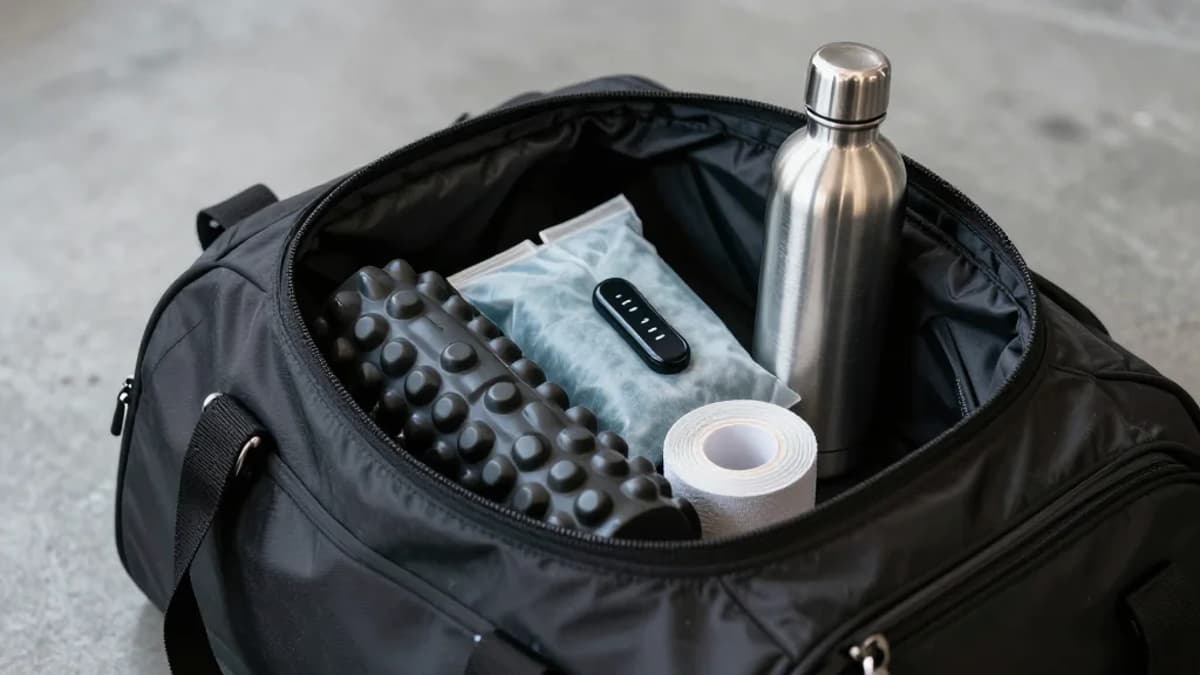
Practical mitigation begins with adequate hydration; water comprises roughly 75 % of muscle mass, and even mild dehydration impairs cellular function and amplifies soreness. A simple urine‑color check offers immediate feedback. Dynamic warm‑ups that raise heart rate and mobilize joints prime the circulatory system, delivering oxygen and nutrients before strain. Post‑exercise stretching—holding each position for at least 60 seconds—restores muscle length and reduces tension, while foam rolling enhances local blood flow without provoking pain. Finally, contrast therapy—alternating cold to constrict vessels and heat to dilate them—accelerates waste clearance and modulates inflammation, delivering rapid relief.
The growing emphasis on evidence‑based recovery has spurred a wave of products—from electrolyte‑rich beverages to smart compression garments—that promise to curb DOMS. Fitness professionals who integrate these four pillars—hydration, warm‑up, stretch/roll, and contrast—can improve client adherence, shorten downtime, and enhance performance metrics. Moreover, corporate wellness programs that educate employees about DOMS reduce absenteeism linked to post‑workout fatigue. As sports‑science research continues to refine the molecular pathways of muscle repair, we can expect more personalized protocols, potentially leveraging wearable sensors to trigger real‑time recovery cues. For now, the low‑cost, science‑backed tactics outlined above remain the most accessible tools for athletes at any level.
4 Ways To Soothe Your Sore Muscles
0
Comments
Want to join the conversation?
Loading comments...