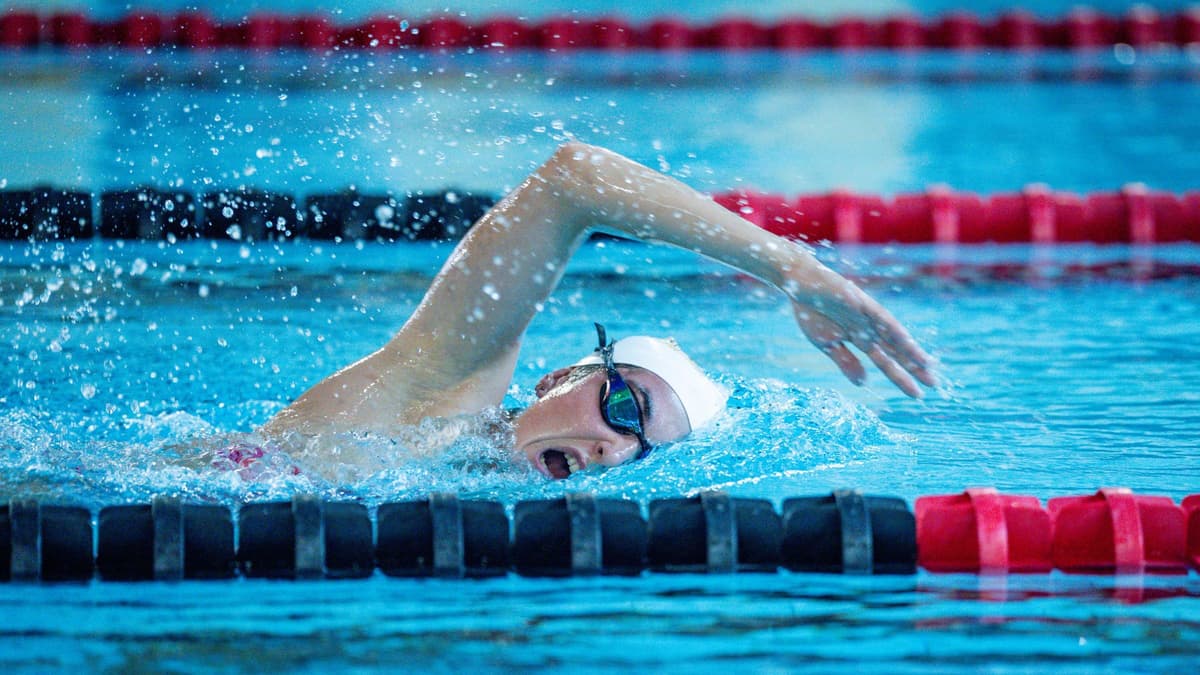
A Physical Therapist Guides Triathletes in Fixing Swim Breathing Problems
Why It Matters
Improving upper‑body and spinal mobility directly enhances oxygen intake and stroke efficiency, giving triathletes a competitive edge and reducing injury risk. The article provides actionable, low‑cost tools that can be implemented without professional supervision.
Key Takeaways
- •Thoracic rotation below 45° limits ribcage expansion and swim breathing.
- •Foam‑roller thoracic extension releases kyphosis, improving chest lift in water.
- •Doorway pec stretch restores chest mobility, easing inhalation during strokes.
- •Lat and shoulder flexion tests reveal aero‑position restrictions affecting propulsion.
- •Towel cervical rotation exercise increases head turn range for efficient breathing.
Pulse Analysis
Triathlon performance hinges on the seamless integration of three disciplines, yet many athletes overlook the biomechanical foundation of a strong swim. Recent research underscores that restricted thoracic mobility not only hampers ribcage expansion but also disrupts the coordinated body roll essential for efficient breathing under water. By incorporating quadruped thoracic rotation drills, athletes can restore the 45‑50° range needed for optimal chest lift, translating to smoother breath cycles and reduced fatigue during long swim sets.
Beyond spinal rotation, the accessory muscles of respiration—pectorals, scalenes, and latissimus dorsi—are frequently tightened by prolonged desk work and the aero‑position on a bike. Simple interventions such as doorway pec stretches and foam‑roller thoracic extensions address these soft‑tissue constraints, expanding the chest cavity and lowering the oxygen cost of each stroke. Improved shoulder flexion and lat mobility also enhance pull mechanics, allowing swimmers to maintain a higher, more aerodynamic body position while conserving energy.
Cervical rotation, often dismissed as a minor issue, plays a pivotal role when athletes turn their heads to inhale. Limited neck mobility forces compensatory neck strain and can disrupt rhythm, especially in open‑water races. The towel‑based cervical mobilization technique offers a portable solution that athletes can perform before or after training sessions. Collectively, these targeted mobility fixes empower triathletes to breathe more freely, sustain higher intensities, and ultimately shave precious seconds off race times, reinforcing the adage that a flexible body fuels a faster finish.
A Physical Therapist Guides Triathletes in Fixing Swim Breathing Problems
Comments
Want to join the conversation?
Loading comments...