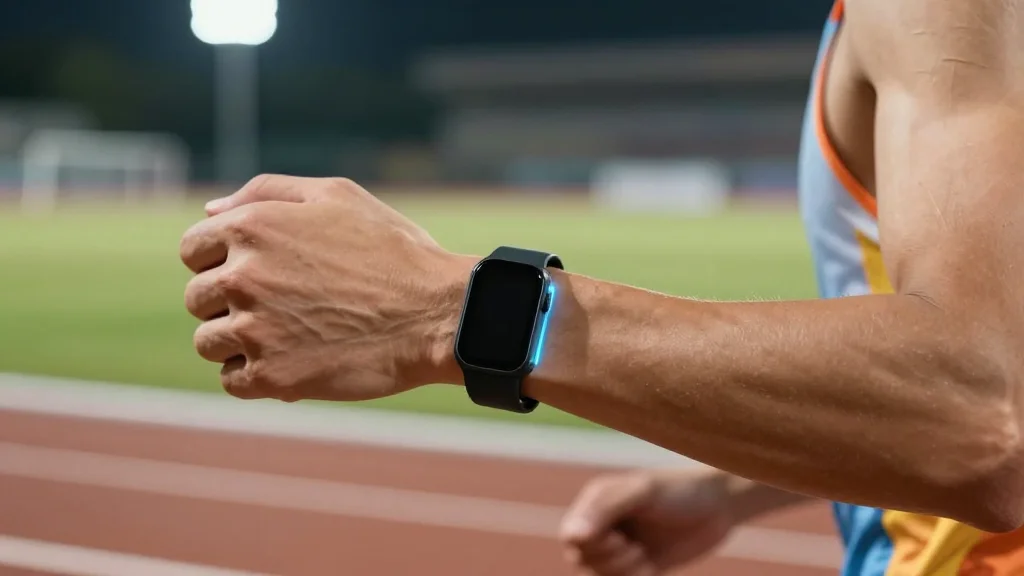
AI and Wearables Achieve 90% Accuracy in Predicting Athlete Injuries

Why It Matters
Predictive injury analytics could dramatically lower the incidence of overuse injuries, a leading cause of lost training days and medical expenses in both professional and recreational sport. By moving from a reactive to a data‑driven preventive model, teams can preserve athlete health, extend careers, and reduce reliance on costly medical interventions. Moreover, the technology's tele‑rehab component expands access to high‑quality care for athletes in remote or under‑resourced settings, potentially democratizing elite‑level performance support. The broader fitness industry stands to benefit as well. Personal trainers and gym chains can adopt similar sensor‑AI ecosystems to monitor client load, prevent strain injuries, and personalize recovery protocols, creating new revenue streams and differentiating services in a crowded market.
Key Takeaways
- •Machine‑learning models predict sports injuries with ~90% accuracy using data from thousands of athletes.
- •AI‑assisted motion analysis correctly classifies >90% of pathological gait cases post‑hip replacement.
- •Tele‑rehab study shows digital programs achieve comparable adherence to in‑person therapy.
- •Predictive alerts enable coaches to adjust training load before injuries manifest.
- •Industry expects commercial wearables with built‑in AI to roll out within 12‑18 months.
Pulse Analysis
The convergence of AI and wearable sensors is the most consequential development in sports medicine since the advent of GPS tracking. Early‑warning systems convert raw kinematic data into actionable risk scores, effectively turning every athlete into a living data point. This paradigm shift mirrors the broader digital transformation in healthcare, where predictive analytics are replacing symptom‑based diagnostics.
Historically, injury prevention relied on subjective assessments and periodic testing, which often missed the cumulative micro‑trauma that leads to overuse injuries. The new models, trained on massive datasets, capture the nuanced interplay between load, fatigue, and recovery. As algorithms improve and become more transparent, we can expect a feedback loop where injury data refines predictions, further reducing false positives.
From a competitive perspective, early adopters—especially elite clubs with deep pockets—will gain a tangible edge. The ability to keep star players on the field longer translates directly into on‑field success and commercial revenue. However, the technology also threatens to widen the gap between resource‑rich organizations and smaller clubs or individual athletes who cannot afford premium sensor suites. Market dynamics will likely drive a tiered ecosystem: high‑end, clinic‑grade wearables for professional teams and more affordable, consumer‑grade devices for gyms and amateur athletes. The next regulatory milestone will be establishing standards for algorithmic validation and data security, ensuring that the promise of injury prediction does not come at the cost of privacy or biased outcomes.
AI and Wearables Achieve 90% Accuracy in Predicting Athlete Injuries
Comments
Want to join the conversation?
Loading comments...