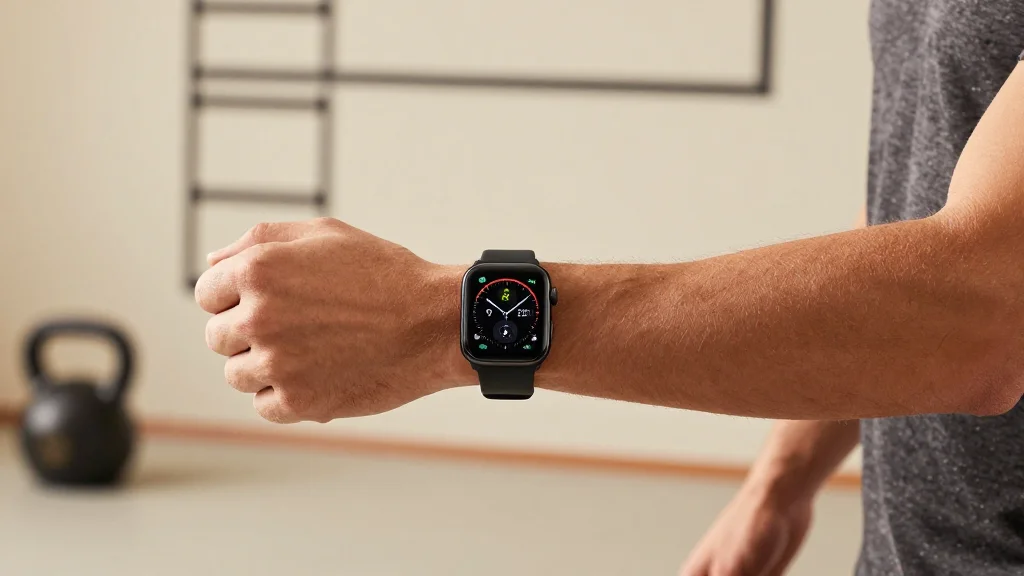
Amazfit Unveils Balance 3 and Balance Ultra Wearables with Hybrid Training System

Companies Mentioned

Why It Matters
The introduction of the Hybrid Training System marks a move away from isolated fitness tracking toward holistic performance management, where training, recovery and lifestyle metrics are unified in a single platform. By aligning with HYROX, Amazfit not only gains credibility among elite multisport athletes but also taps into a growing community that values competition‑driven data. This could accelerate consumer demand for wearables that do more than count steps, prompting rivals to deepen their own software ecosystems. For the broader fitness market, the launch underscores the importance of battery longevity and display visibility in high‑intensity environments. If Amazfit’s claims of up to 30 days of typical use hold up in real‑world conditions, it may reset the benchmark for endurance wearables, forcing competitors to prioritize power efficiency alongside sensor accuracy.
Key Takeaways
- •Amazfit launched Balance 3 and Balance Ultra wearables at a New York event
- •New Hybrid Training System links devices with Zepp app for data‑driven coaching
- •Balance Ultra features Grade 5 titanium case and 30‑day typical battery life
- •Official HYROX partnership adds race‑specific training plans and analytics
- •Sapphire‑glass AMOLED display reaches up to 3,000 nits of brightness
Pulse Analysis
Amazfit’s strategy leverages the growing appetite for integrated fitness ecosystems, where hardware and software are inseparable. Historically, the company has competed on price and design; this launch pivots toward value‑added services, echoing Garmin’s shift to subscription‑based training plans. By bundling the Hybrid Training System with a high‑visibility partnership like HYROX, Amazfit creates a moat that is harder for low‑cost entrants to replicate.
The emphasis on battery endurance addresses a persistent pain point for serious athletes who cannot afford daily charging cycles. If the advertised 30‑day life holds up, it could force competitors to re‑engineer power management, potentially accelerating the adoption of low‑power sensors and more efficient chipsets across the industry. Moreover, the Zepp app’s role as an intelligence hub may set a precedent for data ownership models, where manufacturers retain a direct line to user data, opening new revenue streams through premium coaching subscriptions.
Looking ahead, the success of the Hybrid Training System will depend on user engagement with the Zepp ecosystem and the perceived advantage of HYROX‑specific tools. Should adoption rates climb, we may see a cascade of similar collaborations between wearable makers and niche sport leagues, further blurring the line between consumer fitness tech and professional training platforms.
Amazfit Unveils Balance 3 and Balance Ultra Wearables with Hybrid Training System
Comments
Want to join the conversation?
Loading comments...