Arteta Dismisses Arsenal Fatigue Rumors Amid Tight Fixture Run

Companies Mentioned
Why It Matters
The public dismissal of fatigue rumors by a top‑tier manager like Mikel Arteta brings the issue of athlete recovery into mainstream conversation, emphasizing that fitness is not just a backstage concern but a strategic priority. As football clubs juggle domestic leagues, European competitions, and international duties, the ability to monitor and manage player load becomes a competitive differentiator that can affect results, transfer market value, and brand reputation. Moreover, the episode illustrates the growing influence of sports‑science data on club narratives. When a manager cites biometric monitoring and individualized recovery plans, it validates the investment in technology and may spur other organizations to adopt similar systems. This ripple effect can drive broader industry standards for fitness monitoring, potentially reshaping training methodologies across professional sports.
Key Takeaways
- •Arsenal manager Mikel Arteta publicly denied player fatigue rumors on Tuesday.
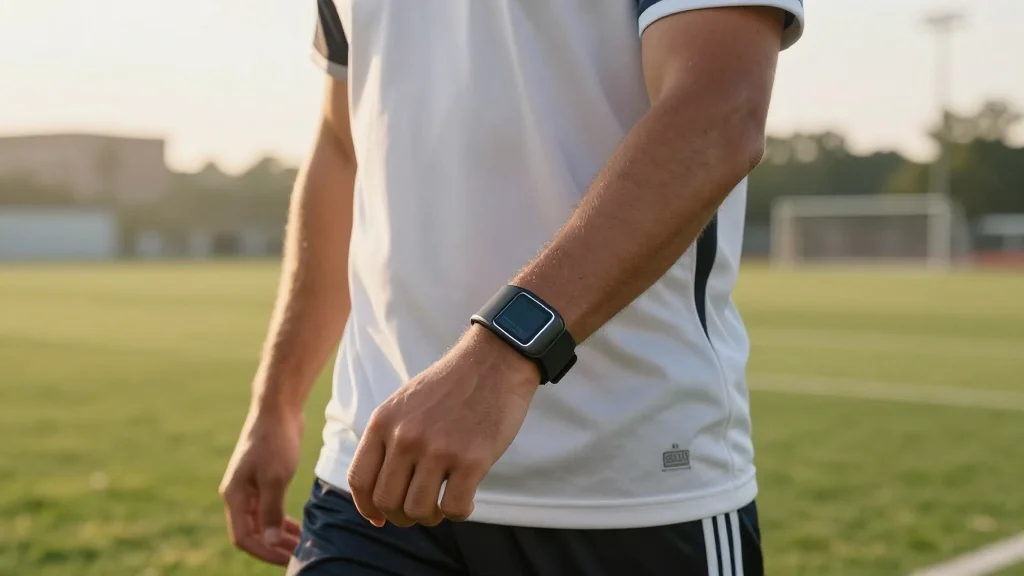
- •Club’s sports‑science team uses GPS, heart‑rate variability, and nutrition data to track load.
- •Arsenal faces three league games and a Champions League tie within ten days.
- •Premier League clubs are increasingly adopting AI‑driven wearables for injury prevention.
- •Arteta pledged to adjust training intensity if any player shows signs of strain.
Pulse Analysis
Arteta’s statement is more than a defensive PR move; it signals a shift in how elite football frames fitness as a core component of competitive strategy. Historically, clubs relied on anecdotal assessments from coaches and physiotherapists. The last decade, however, has seen a data revolution, with clubs investing millions in wearables, cloud‑based analytics, and bespoke recovery protocols. Arsenal’s public affirmation of these tools suggests the club is positioning itself alongside early adopters like Manchester City, which have reported measurable reductions in injury days.
The timing is crucial. With the Premier League schedule tightening and UEFA demanding midweek fixtures, the margin for error shrinks. Clubs that can objectively demonstrate that their players are not over‑trained gain a psychological edge, reassuring fans and investors alike. Conversely, any misstep—such as a high‑profile injury—could quickly erode confidence in data‑driven approaches. Arteta’s careful wording—emphasizing ongoing monitoring and the willingness to adjust training—reflects an adaptive mindset that balances performance imperatives with player welfare.
Looking forward, the fitness tech market stands to benefit from this heightened visibility. Vendors that can provide seamless integration of biometric data into coaching workflows are likely to see increased demand. For Arsenal, the next ten days will serve as a real‑world test of their recovery model. Success could cement their reputation as a leader in sports‑science, while setbacks may reignite calls for more traditional, coach‑led load management. In either scenario, the dialogue sparked by Arteta’s remarks will keep athlete fitness at the forefront of football’s strategic conversations.
Arteta Dismisses Arsenal Fatigue Rumors Amid Tight Fixture Run
Comments
Want to join the conversation?
Loading comments...