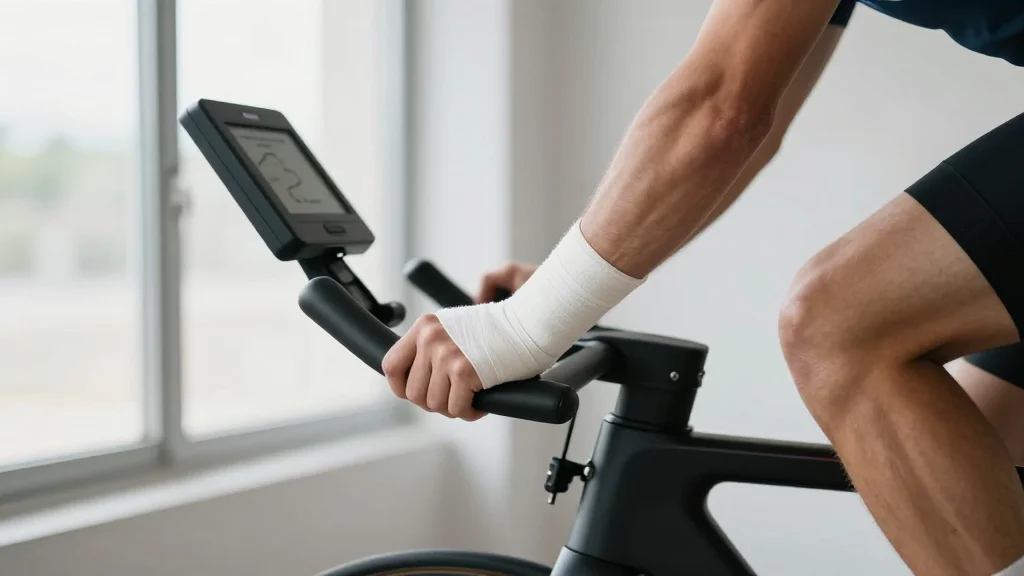
Bart Lemmen’s 65 Turbo‑Trainer Hours Fuel Vingegaard’s Giro D’Italia Push

Why It Matters
Lemmen’s 65‑hour indoor workload spotlights how elite cyclists are redefining training periodization in the face of injury and a congested calendar. By turning a forced indoor stint into a performance lever, he demonstrates that high‑intensity turbo‑trainer sessions can preserve power output and leg resilience, a lesson applicable to endurance athletes across sports. The approach also gives teams a data‑rich tool to monitor fitness when road miles are unavailable, potentially reshaping how coaches balance outdoor specificity with indoor precision. For the broader fitness industry, Lemmen’s story validates the growing market for smart trainers and performance analytics platforms. As more athletes seek quantifiable indoor training solutions, manufacturers and software providers can position their products as essential for injury recovery and race‑ready conditioning, expanding the commercial ecosystem around indoor cycling.
Key Takeaways
- •Bart Lemmen completed >65 turbo‑trainer hours after a wrist fracture.
- •He logged the indoor work across 31 sessions in a single month.
- •Lemmen’s indoor training helped him stay in the front group on Giro stage four.
- •He highlighted the different torque and stress profile of indoor vs. outdoor riding.
- •Visma‑Lease a Bike plans to use Lemmen’s fitness as a key support element for Vingegaard’s mountain stages.
Pulse Analysis
Lemmen’s case underscores a strategic pivot in elite endurance training: the integration of high‑volume, high‑intensity indoor work as a contingency for injury and travel disruptions. Historically, cyclists relied on road miles to build endurance, but the proliferation of power‑meter‑equipped trainers now offers a reliable surrogate. Lemmen’s 65‑hour block, executed with precise power targets, likely preserved his lactate threshold and neuromuscular coordination, mitigating the typical fitness loss associated with a month off the road.
From a competitive standpoint, teams that can translate indoor power into road performance gain a tactical edge. Visma‑Lease a Bike’s decision to keep Lemmen in a domestique role despite limited race days reflects confidence in data‑driven training. If Lemmen can sustain Vingegaard’s tempo on the climbs, it validates the hypothesis that structured indoor sessions can maintain not just raw power but also the subtle bike‑handling skills required in the peloton. Other WorldTour squads may now scrutinize their own indoor protocols, potentially standardizing turbo‑trainer blocks during off‑season or injury periods.
Looking ahead, the market for smart trainers is poised for accelerated growth. Brands that deliver realistic road feel, accurate torque curves, and seamless integration with coaching platforms will capture the attention of teams seeking to replicate Lemmen’s success. Moreover, the narrative reinforces the importance of hybrid training models that blend altitude camps, indoor power work, and selective road racing—a formula that could become the new norm for Grand Tour preparation.
Bart Lemmen’s 65 Turbo‑Trainer Hours Fuel Vingegaard’s Giro d’Italia Push
Comments
Want to join the conversation?
Loading comments...