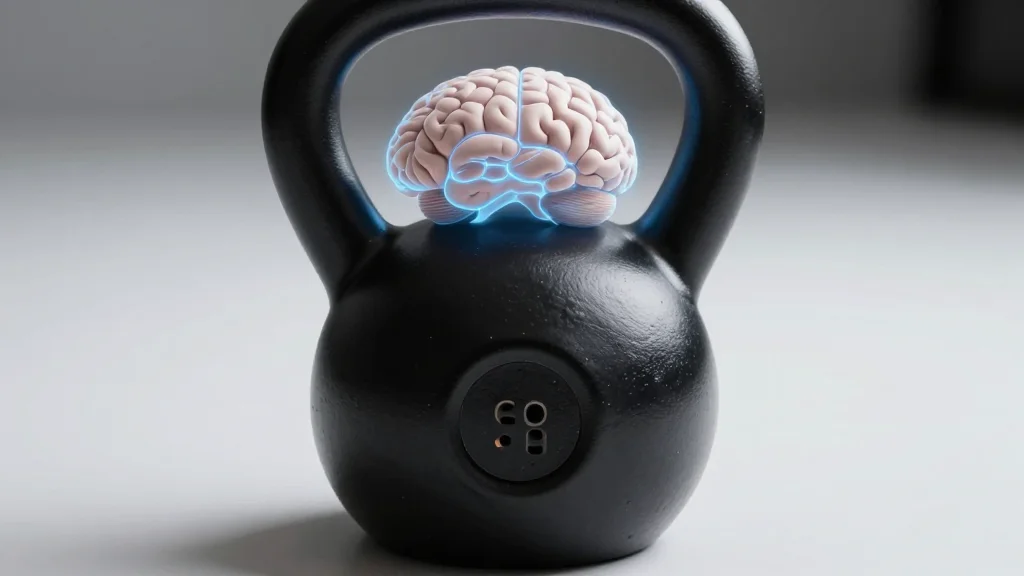
Brain, Not Muscles, Drives Endurance Capacity, New UT Southwestern Study Finds

Why It Matters
The study reframes endurance as a neuro‑physiological outcome, suggesting that training programs could be optimized by targeting brain pathways as well as muscles. This could accelerate the development of cognitive‑enhancement tools, from neurofeedback wearables to pharmacological agents, expanding the fitness market beyond traditional equipment and classes. A brain‑first model also aligns with broader public‑health goals. By emphasizing mental resilience and neuroplasticity, gyms can appeal to demographics concerned with cognitive decline, stress management and overall brain health, potentially increasing participation among older adults and those hesitant about high‑intensity physical training.
Key Takeaways
- •UT Southwestern researchers identified ventromedial hypothalamic SF‑1 neurons that regulate endurance.
- •Activation of these neurons increased mouse treadmill time by ~20 % in lab tests.
- •The study was published in the peer‑reviewed journal Neuron.
- •Findings suggest fitness programs could be marketed around brain health and cognitive performance.
- •Potential for new neuro‑targeted therapies and wearable tech to enhance endurance.
Pulse Analysis
For decades, exercise science has placed peripheral adaptations—muscle hypertrophy, cardiovascular output, mitochondrial density—at the core of endurance gains. The UT Southwestern study injects a paradigm shift by positioning the central nervous system as a primary driver. Historically, elite training programs have incorporated mental conditioning, but those practices were ancillary to physical drills. If neural circuitry can be directly modulated to boost performance, the competitive landscape may see a bifurcation: traditional strength‑and‑cardio providers versus innovators that blend neuroscience with fitness.
From a market perspective, the timing is ripe. Consumer wearables already track heart rate variability, sleep and stress; adding brain‑wave or neuro‑feedback data could create a differentiated product tier. Companies that secure patents on hypothalamic modulation—whether through non‑invasive stimulation, neuro‑pharmacology or AI‑driven coaching—could command premium pricing and attract venture capital. Conversely, established gym chains risk obsolescence if they cling solely to muscle‑centric messaging, especially as younger members prioritize holistic wellbeing.
Looking ahead, the key will be rigorous human validation. Should clinical trials confirm that targeted brain activation yields measurable endurance improvements without adverse effects, we may witness a rapid rollout of neuro‑enhancement protocols in elite sports, rehabilitation centers and mainstream gyms. The ripple effect could also influence public‑policy discussions around exercise prescriptions, potentially redefining “physical activity” to include cognitive engagement. In short, the study opens a new frontier where neuroscience and fitness converge, and the industry’s early adopters stand to shape the next generation of performance optimization.
Brain, Not Muscles, Drives Endurance Capacity, New UT Southwestern Study Finds
Comments
Want to join the conversation?
Loading comments...