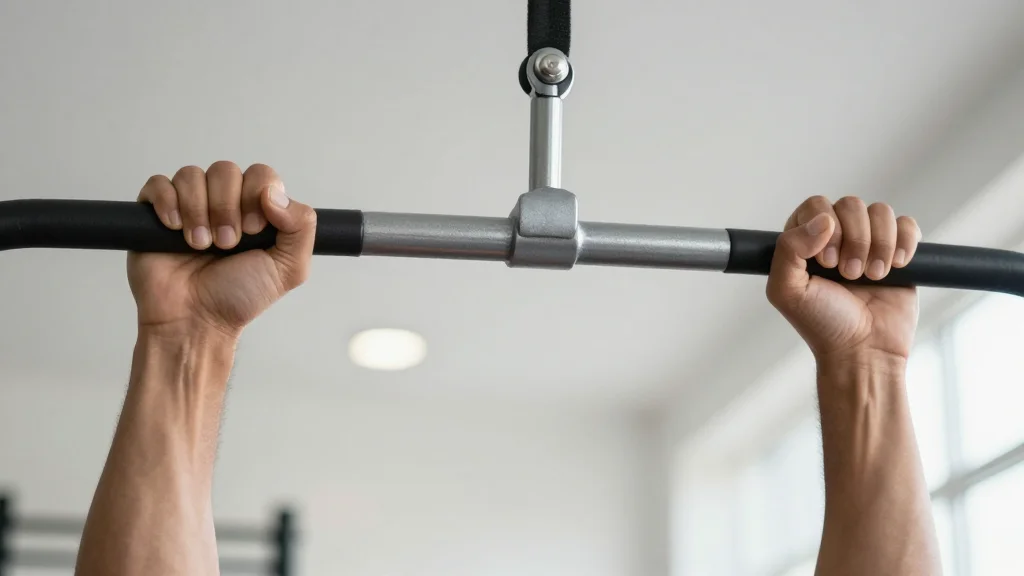
Dead Hang Becomes Calisthenics’ Fastest‑Growing Move, Boosting Grip and Shoulder Health

Why It Matters
The dead hang’s popularity signals a broader consumer appetite for minimalist, equipment‑light exercises that deliver tangible health benefits. For the fitness industry, this creates opportunities to market specialized hanging rigs, integrate static‑hold metrics into wearable tech, and develop digital coaching programs centered on grip and shoulder health. Clinically, the move provides a scalable, low‑cost intervention for shoulder discomfort and grip‑related decline, potentially reducing reliance on more invasive therapies. Moreover, the trend highlights a cultural shift toward functional strength and posture correction, areas that have gained prominence as remote work erodes traditional movement patterns. By embedding the dead hang into daily routines, both gyms and health professionals can address a key weakness—grip strength—that correlates with overall morbidity.
Key Takeaways
- •Dead hang challenges now dominate calisthenics social media, with 60‑second hangs trending
- •Four‑week dead‑hang programs boost grip endurance by ~25 % per climbing research
- •Physiotherapists recommend passive hanging for mild shoulder impingement
- •Grip strength linked to lower cardiovascular risk and longer life expectancy
- •Gym owners and equipment makers are adding dedicated hanging stations to meet demand
Pulse Analysis
The dead hang’s ascent is less about novelty and more about accessibility. In an era where subscription fees and high‑tech equipment can be barriers, a movement that requires only a sturdy bar meets the demand for inclusive fitness. This democratization mirrors the rise of bodyweight training during the pandemic, but the dead hang adds a static‑hold dimension that fills a gap in conventional programming.
From a market perspective, the trend could catalyze a niche segment for modular hanging systems. Companies that previously focused on pull‑up rigs may diversify into portable, space‑saving bars designed for home offices, capitalizing on the remote‑work demographic. Additionally, wearable manufacturers have an opening to incorporate grip‑force sensors, turning the dead hang into quantifiable data for users and trainers alike.
Looking ahead, the dead hang may evolve from a standalone exercise to a diagnostic tool. As research continues to link grip metrics with systemic health outcomes, clinicians could adopt standardized hang tests to monitor patient progress. If such protocols gain traction, the dead hang could become a bridge between recreational fitness and preventive medicine, reinforcing its status as a cornerstone of modern strength training.
Dead Hang Becomes Calisthenics’ Fastest‑Growing Move, Boosting Grip and Shoulder Health
Comments
Want to join the conversation?
Loading comments...