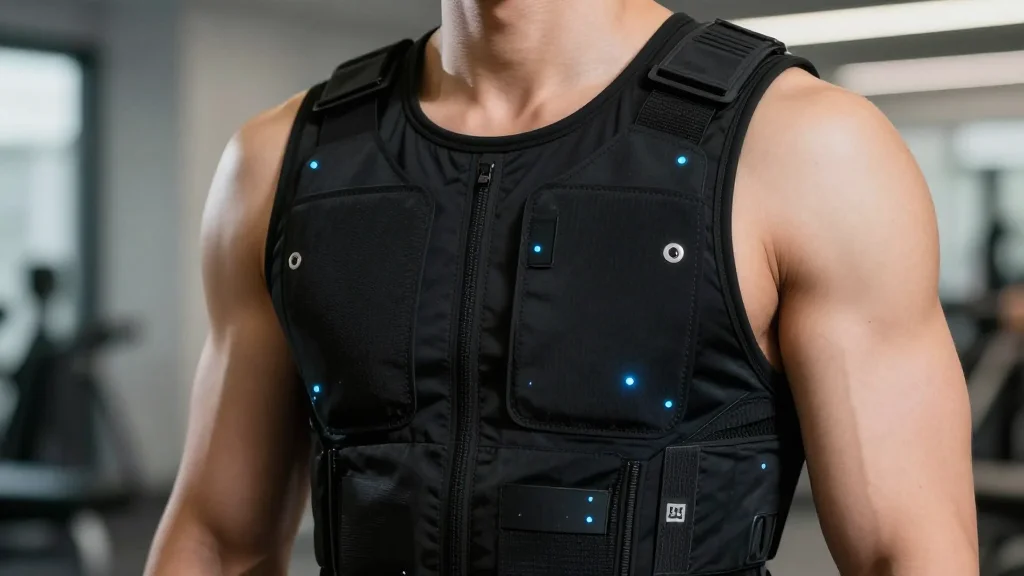
EMS Workouts Surge as Celebs Endorse $3,000 Suits and 20‑Minute Sessions

Why It Matters
EMS training sits at the intersection of fitness, technology and medical rehabilitation, making its mainstream adoption a litmus test for how quickly consumer‑grade wearables can transition from clinical tools to everyday gym equipment. If larger studies validate the early strength and body‑composition gains, EMS could become a staple for time‑pressed professionals, reshaping workout programming and studio business models. Conversely, safety concerns and the high cost of entry could limit adoption to affluent markets, reinforcing a divide between boutique fitness experiences and mainstream gyms. The outcome will influence not only equipment manufacturers but also insurance providers and physical‑therapy practices that may integrate EMS into preventive health plans.
Key Takeaways
- •Celebrity endorsements (Sarah Michelle Gellar, Chrissy Teigen) boost EMS visibility
- •Katalyst EMS suit retails for $3,000 and offers full‑body stimulation
- •A 2025 study of 46 participants shows modest strength and fat‑loss benefits
- •Studios limit sessions to 20 minutes to reduce overtraining risk
- •Future research and pricing pressure will determine mainstream adoption
Pulse Analysis
The EMS boom reflects a broader consumer appetite for high‑efficiency workouts that promise results in a fraction of the time. Historically, fitness innovations—think HIIT, boutique cycling, or wearable heart‑rate monitors—have succeeded when they combined clear performance data with cultural cachet. EMS now enjoys both: a lineage of clinical validation and a fresh wave of celebrity hype that fuels social media buzz.
However, the technology’s rapid diffusion outpaces the scientific evidence needed to substantiate its claims. The modest sample size of the 2025 Journal of Exercise Science & Fitness study limits confidence in long‑term outcomes, and the lack of standardized protocols across studios creates a fragmented user experience. As regulators and insurers watch closely, manufacturers will need to invest in larger, multi‑center trials to move EMS from a novelty to a credible training modality.
If those studies confirm the early promise, EMS could redefine the economics of gym memberships. Studios could charge premium rates for short, high‑tech sessions, while traditional gyms might feel pressure to integrate similar equipment or risk losing time‑constrained members. On the flip side, price reductions driven by competition could democratize access, turning EMS into a mainstream tool for both elite athletes and casual exercisers. The next twelve months will be pivotal as data, pricing and regulatory guidance converge to shape the trajectory of this electrifying fitness trend.
EMS Workouts Surge as Celebs Endorse $3,000 Suits and 20‑Minute Sessions
Comments
Want to join the conversation?
Loading comments...