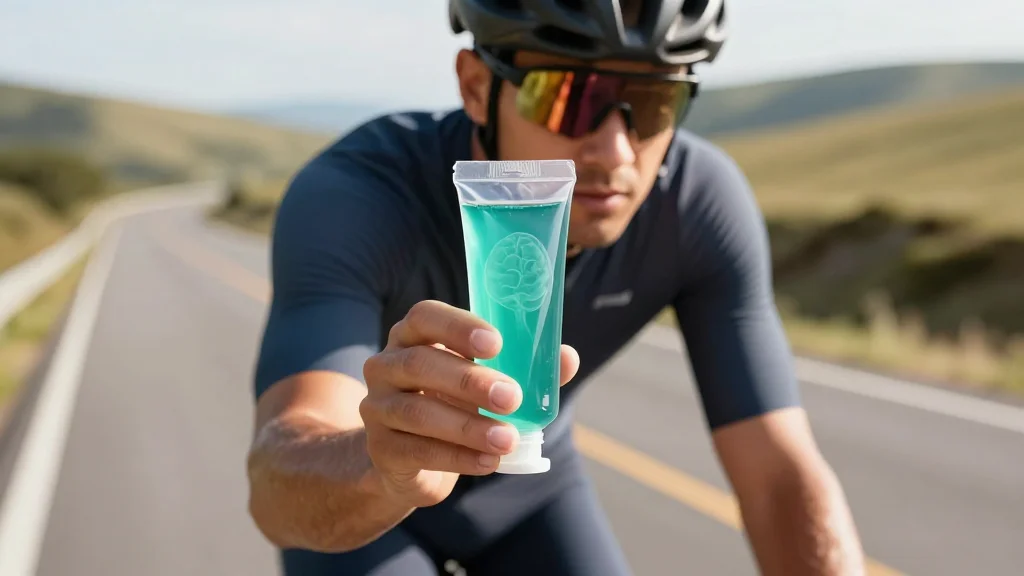
ExoLactate Gel Introduced as First Lactate‑Based Fuel for Tour De France Riders

Companies Mentioned
Why It Matters
ExoLactate challenges entrenched beliefs about lactate, potentially unlocking a new avenue for performance nutrition that targets both muscular and neural fatigue. If validated, the gel could give athletes a measurable edge in endurance events where mental stamina is as critical as physical power. Beyond cycling, the technology may influence nutrition strategies for ultra‑endurance athletes, military personnel, and even clinical populations where metabolic efficiency is a therapeutic goal. The product’s success could spur further research into exogenous metabolites, expanding the scope of sports nutrition beyond traditional carbohydrates and proteins.
Key Takeaways
- •Aitor Viribay launches ExoLactate, the first exogenous lactate energy gel, ahead of the 2026 Tour de France.
- •The gel combines lactate with glucose and fructose to fuel both muscles and the brain.
- •Viribay claims the product offers a competitive advantage no current supplement provides.
- •Endurance nutrition market valued at $4 billion could see a new ‘neuro‑fuel’ category.
- •Regulatory approval and field testing with WorldTour teams are slated for 2026‑27.
Pulse Analysis
ExoLactate arrives at a moment when endurance athletes are increasingly seeking marginal gains through scientific nuance. Historically, the nutrition industry has focused on carbohydrate loading, electrolyte balance, and protein recovery. Lactate’s rebranding from a metabolic by‑product to a primary fuel source represents a paradigm shift that could redefine training and race‑day strategies. If the gel can demonstrably improve cerebral energy availability, it may address the often‑overlooked central fatigue that limits performance in the final hours of a Grand Tour.
From a market perspective, the product could catalyze a wave of metabolite‑focused supplements, prompting competitors to explore exogenous ketones, amino acids, and other intermediates. However, the path to commercial success is fraught with scientific validation and regulatory hurdles. The FDA’s stance on novel metabolic substrates will be pivotal; a cautious approach could delay adoption, while a green light might accelerate industry investment. Moreover, professional teams will weigh the gel’s potential benefits against the risk of sanctions or public perception issues.
Looking ahead, the real test will be in the data. Controlled lab studies must isolate lactate’s contribution from the carbohydrate matrix, and field trials need to show consistent performance lifts across varied race conditions. Should ExoLactate deliver quantifiable gains, it could become a staple in elite cycling kits and eventually filter down to amateur endurance athletes, reshaping the nutritional playbook for the sport’s next generation.
ExoLactate Gel Introduced as First Lactate‑Based Fuel for Tour de France Riders
Comments
Want to join the conversation?
Loading comments...