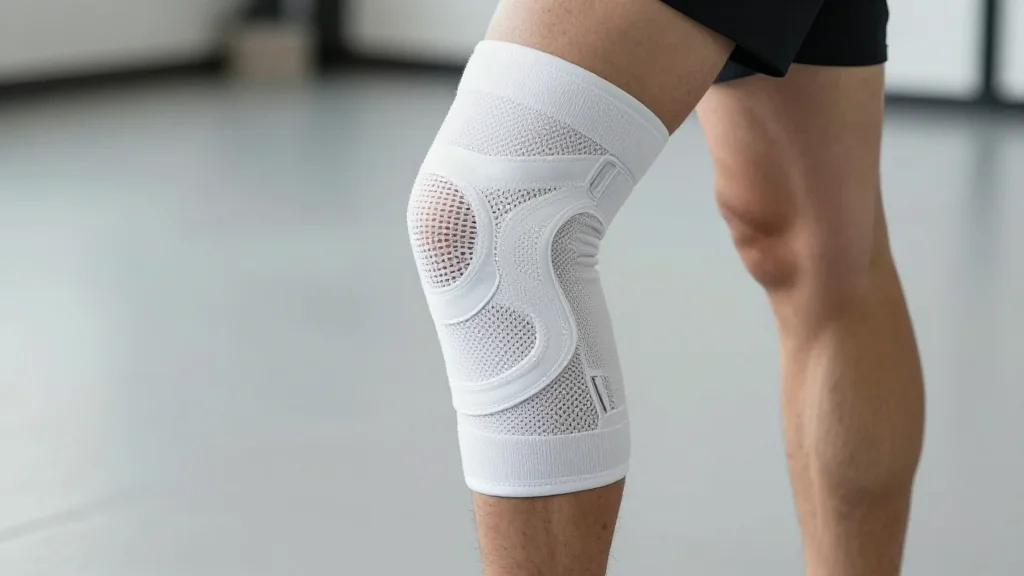
Former AFL Star Darcy Mulquiny Details ACL Recovery Milestones and Mental Strategies

Why It Matters
Mulquiny’s transparent account provides a real‑world case study of how modern rehabilitation—blending data analytics, progressive loading, and psychological support—can accelerate safe returns from serious knee injuries. As ACL tears remain common in high‑impact sports, his insights could influence training protocols for amateur and professional athletes alike, encouraging a more measured, science‑backed approach that prioritizes longevity over short‑term performance. The story also highlights the broader cultural shift toward mental health awareness in the fitness arena. By openly discussing the psychological hurdles of injury, Mulquiny contributes to destigmatizing mental resilience training, prompting coaches and gyms to integrate mental‑skill development into standard conditioning programs.
Key Takeaways
- •Darcy Mulquiny reached a six‑month milestone in ACL rehab, achieving full range of motion and strength.
- •He followed a ‘quality over quantity’ protocol, increasing load only after meeting strength benchmarks.
- •Wearable sensors tracked knee mechanics, allowing real‑time adjustments to his training plan.
- •Mental resilience tactics included daily visualization and support from a sports psychologist.
- •Mulquiny plans to return to competitive play later in the 2026 season pending medical clearance.
Pulse Analysis
Mulquiny’s recovery narrative arrives at a moment when sports medicine is increasingly data‑centric. The integration of wearable technology into his rehab mirrors a broader industry move toward quantifiable metrics for injury prevention and performance optimization. This shift is likely to accelerate as costs of sensor platforms drop and their accuracy improves, making them accessible not just to elite clubs but also to community gyms and physiotherapy clinics.
Historically, ACL recovery timelines have been driven by a one‑size‑fits‑all calendar, often leading to premature returns and high re‑injury rates. Mulquiny’s case demonstrates the payoff of a personalized, evidence‑based pathway that aligns physiological readiness with psychological confidence. As more athletes adopt similar frameworks, we can expect a gradual redefinition of ‘return‑to‑play’ standards, potentially extending average career spans and reducing long‑term joint degeneration.
From a market perspective, Mulquiny’s public endorsement of data‑driven rehab could spur demand for integrated platforms that combine sensor data, tele‑rehab coaching, and mental‑skill modules. Companies positioned at this intersection—such as physiotherapy tech firms and sports psychology startups—may see increased investment and partnership opportunities with clubs seeking holistic recovery solutions. The ripple effect could reshape how fitness professionals design programs, placing equal weight on measurable physical progress and mental readiness.
Former AFL Star Darcy Mulquiny Details ACL Recovery Milestones and Mental Strategies
Comments
Want to join the conversation?
Loading comments...