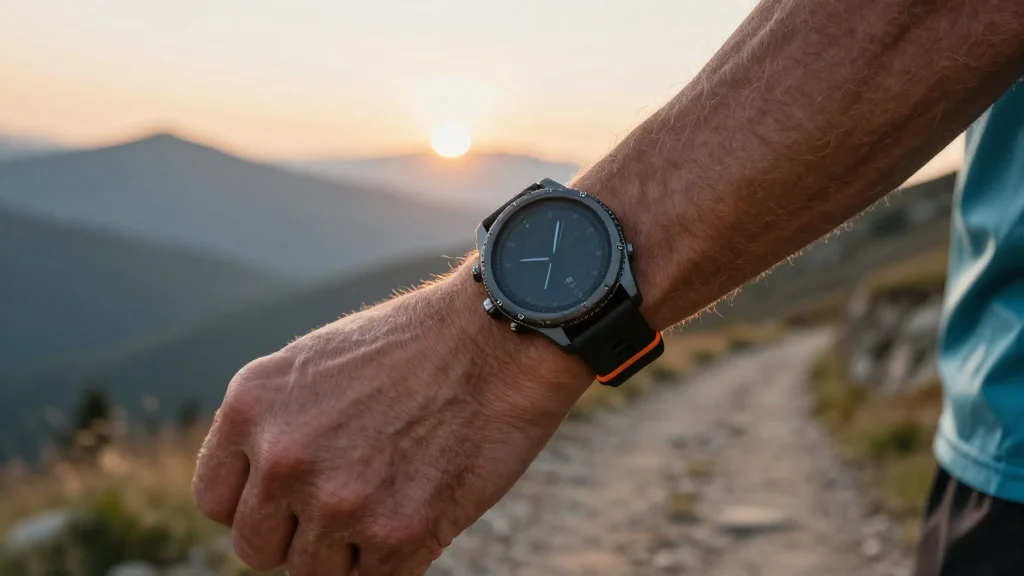
Garmin Adds Training Plans and Health Insights in Fenix 8 Firmware Update

Companies Mentioned
Why It Matters
The Fenix 8 update signals a shift in the premium wearables market toward more autonomous, data‑rich coaching. By delivering structured training plans directly on the device, Garmin reduces reliance on third‑party apps, a key differentiator for athletes who train in remote or connectivity‑limited environments. The health‑insight enhancements also broaden the watch’s appeal beyond performance metrics, tapping into the growing consumer demand for holistic wellness tracking. If the update drives higher engagement, Garmin could solidify its position against rivals that rely on ecosystem lock‑in rather than rugged, offline capability. The move may also pressure competitors to deepen their own on‑device coaching suites, accelerating innovation across the fitness‑tech sector.
Key Takeaways
- •Garmin releases firmware for Fenix 8, 8 Pro, 8E, Tactix 8 and Instinct 3
- •New training schedules cover trail running, mountain biking, swimming and ski touring
- •Added health metrics include refined stress scoring, sleep‑stage analysis and updated VO₂ max
- •Introduces a consolidated "Wellness Score" that aggregates multiple biometric inputs
- •Update targets endurance athletes who need offline, rugged coaching tools
Pulse Analysis
Garmin’s decision to embed comprehensive training plans directly into the Fenix 8 firmware reflects a strategic bet on the durability and autonomy of its hardware. Historically, Garmin has catered to niche segments—ultra‑marathoners, mountaineers, and tactical users—who value battery life and offline functionality over the flashier UI of mainstream smartwatches. By expanding the on‑device coaching suite, Garmin is effectively turning its watches into standalone training assistants, a role traditionally filled by cloud‑based platforms like TrainingPeaks or Strava.
The timing is crucial. Wearable giants such as Apple and Samsung have been rapidly adding health sensors and AI‑driven insights, but they still depend heavily on constant connectivity. Garmin’s update narrows that gap, offering comparable data depth without sacrificing the ruggedness that defines its brand. This could attract a new cohort of athletes who were previously deterred by the need for a smartphone tether.
However, the move also raises questions about software agility. Garmin’s firmware updates historically roll out slower than the app‑centric ecosystems of its rivals. If the new training algorithms prove static or lag behind emerging sports science, the advantage could erode quickly. Moreover, the lack of a robust community‑driven content marketplace—something that Apple’s Fitness+ and Whoop’s social challenges excel at—may limit long‑term engagement.
In the broader market, Garmin’s upgrade may force competitors to double‑down on on‑device intelligence. Expect to see more manufacturers push AI‑based plan adjustments, deeper biometric integration, and perhaps even hybrid models that blend offline robustness with cloud‑enhanced personalization. For investors and industry watchers, the Fenix 8 update is a litmus test: can a premium, rugged wearable keep pace with the software‑first race while preserving its core value proposition? The next few quarters will reveal whether Garmin’s firmware gamble pays off.
Garmin adds training plans and health insights in Fenix 8 firmware update
Comments
Want to join the conversation?
Loading comments...