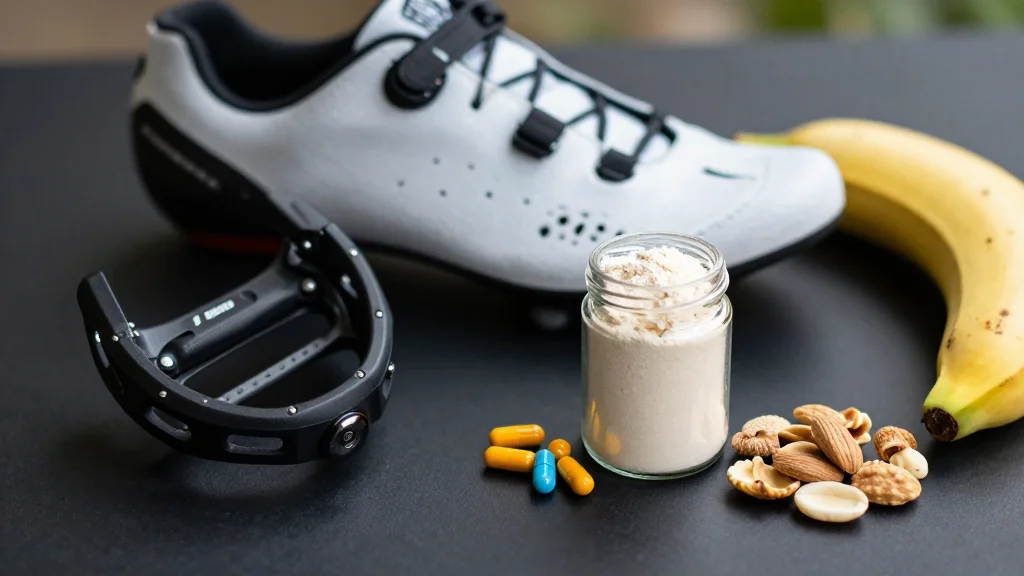
Getting Into Spinning Or Cycling? Research Says These Supplements Are Best
Why It Matters
Targeted supplementation can boost power output and reduce fatigue, giving cyclists a competitive edge, while tailored recovery nutrients speed healing and lower injury risk. This insight helps athletes and fitness enthusiasts make evidence‑based choices rather than trial‑and‑error.
Key Takeaways
- •Beta-alanine, caffeine, and carbs boost cycling power.
- •Creatine and sodium bicarbonate delay fatigue during intense rides.
- •Electrolytes and nitrates improve fuel efficiency and endurance.
- •Protein, collagen, and omega-3 aid post-ride recovery.
- •Personalized supplement plans optimize performance and health.
Pulse Analysis
With the global sports‑nutrition market projected to exceed $30 billion this year, cyclists are among the most scrutinized users of performance‑enhancing compounds. The recent systematic review led by Australian Olympian Sophie Edwards distilled dozens of studies into a concise list of ten supplements that consistently improve power output, aerobic efficiency, and fatigue resistance. Beta‑alanine buffers muscle acidity, while caffeine stimulates the central nervous system to raise perceived effort thresholds. Carbohydrate gels and drinks replenish glycogen stores, and creatine monohydrate expands phosphocreatine reserves for short, high‑intensity bursts. Electrolytes and dietary nitrates further support vascular function and sustained energy delivery.
Equally critical is the recovery phase, where tissue repair, inflammation control, and nutrient repletion dictate long‑term performance gains. The review highlighted calcium and vitamin D for bone remodeling, while collagen and protein provide the amino acids needed to rebuild connective tissue and muscle fibers. Omega‑3 fatty acids and curcumin exhibit anti‑inflammatory properties that can blunt delayed‑onset muscle soreness, and probiotics help maintain gut health, which influences nutrient absorption. Simple options such as cherry or pickle juice deliver natural antioxidants and electrolytes, accelerating muscle recovery and reducing cramping.
Despite the robust evidence, the authors caution against a one‑size‑fits‑all approach. Individual factors—training volume, genetics, dietary habits, and health status—shape how a cyclist responds to each compound. Practitioners recommend starting with a single supplement, monitoring performance metrics, and adjusting dosages under professional guidance. As wearable tech provides real‑time metabolic data, personalized nutrition algorithms are emerging, allowing athletes to fine‑tune supplement stacks for specific workouts or race phases. This data‑driven customization promises to transform the supplement landscape from generic marketing to scientifically grounded performance optimization.
Getting Into Spinning Or Cycling? Research Says These Supplements Are Best
Comments
Want to join the conversation?
Loading comments...