Giants Add $2 Million Sports‑Science Suite to Fight Achilles Tears

Companies Mentioned

Why It Matters
The Giants’ $2 million upgrade underscores how elite sports are turning to granular biomechanical data to address injuries that were once considered unavoidable. By targeting the Achilles—a tendon that has ended careers and altered draft stock—the team is testing whether technology can shift the injury curve in a sport where player availability directly translates to revenue and fan engagement. Success could accelerate investment across the NFL and trickle down to youth and recreational programs, democratizing access to injury‑prevention science. Moreover, the move highlights a cultural shift: teams are no longer reactive after injuries occur; they are becoming proactive custodians of athlete health. This paradigm could influence collective bargaining discussions, insurance models, and even the design of future training facilities, making player safety a competitive differentiator.
Key Takeaways
- •Giants install four new biomechanics devices worth ~$2 million after three Achilles ruptures in three weeks.
- •Head coach John Harbaugh cites a shared movement pattern as the likely injury trigger.
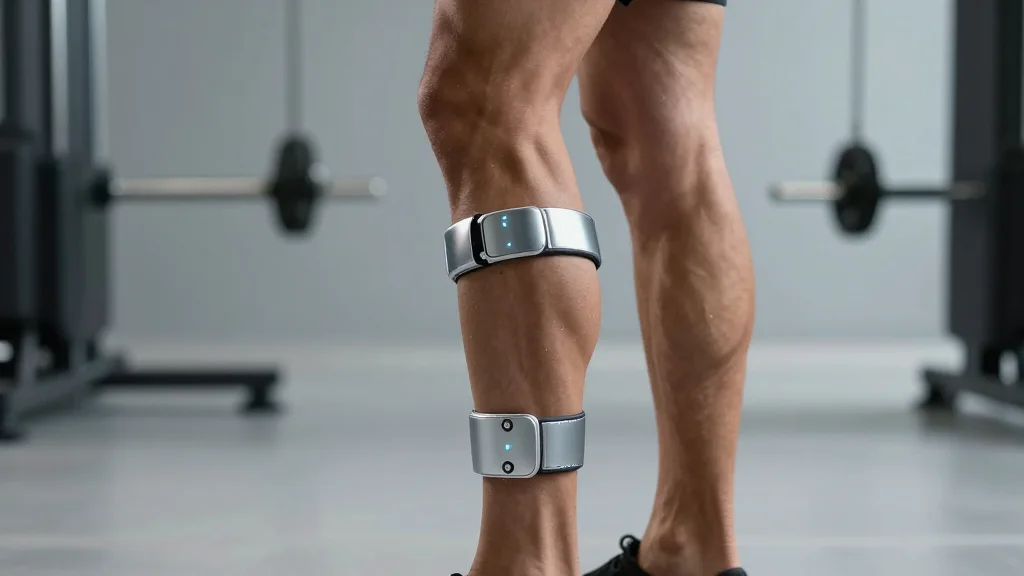
- •Equipment includes motion‑capture cameras, force plates, and wearable sensors for real‑time analysis.
- •NFL peers are expanding analytics departments, but predictive accuracy for tendon injuries remains debated.
- •The initiative may spur broader adoption of injury‑prevention tech in amateur and collegiate sports.
Pulse Analysis
The Giants’ aggressive spend on sports‑science hardware is less about vanity and more about risk management. In a league where a single star’s absence can swing a $100 million revenue line, the calculus favors front‑loading prevention costs. Historically, the NFL has been slow to adopt injury‑prediction tools, relying on traditional strength‑and‑conditioning protocols. The current wave of high‑resolution data collection—driven by cheaper sensors and AI analytics—offers a tangible way to quantify previously subjective risk factors.
From a competitive standpoint, the Giants could gain a marginal edge if the new system reduces the incidence of non‑contact injuries. Even a 5% reduction in missed games translates to more consistent lineups, better on‑field performance, and higher fan satisfaction. However, the technology’s efficacy hinges on integration: coaches must trust the data enough to adjust training loads, and medical staff must act swiftly on alerts. The cultural inertia within football—where “toughness” often trumps caution—could blunt the impact unless the Giants embed the insights into daily routines.
Looking ahead, the real test will be the post‑season audit. If the Giants can demonstrate a measurable dip in Achilles injuries or faster return‑to‑play timelines, other franchises will likely follow suit, sparking an arms race in sports‑science infrastructure. This could also pressure equipment manufacturers to innovate faster, driving down costs and making the technology accessible to lower‑tier leagues and community gyms. In essence, the Giants are betting that data‑driven health management will become a new competitive frontier, reshaping not only how the NFL protects its athletes but also how the broader fitness industry approaches injury prevention.
Giants Add $2 Million Sports‑Science Suite to Fight Achilles Tears
Comments
Want to join the conversation?
Loading comments...