Heat Training Booms in Cycling, but Experts Urge Proper Protocols

Why It Matters
Heat training’s rise reshapes endurance preparation, offering a cost‑effective alternative to altitude camps that were previously limited to elite teams. By democratizing a high‑impact stimulus, the method could level the playing field for amateur athletes, but only if applied correctly. Misapplication risks health issues and undermines the credibility of data‑driven training. The broader fitness industry is watching closely. If the protocol proves scalable, gyms, indoor cycling studios, and wearable manufacturers may embed heat‑training modules into their offerings, potentially creating a new revenue stream and shifting how endurance athletes train year‑round.
Key Takeaways
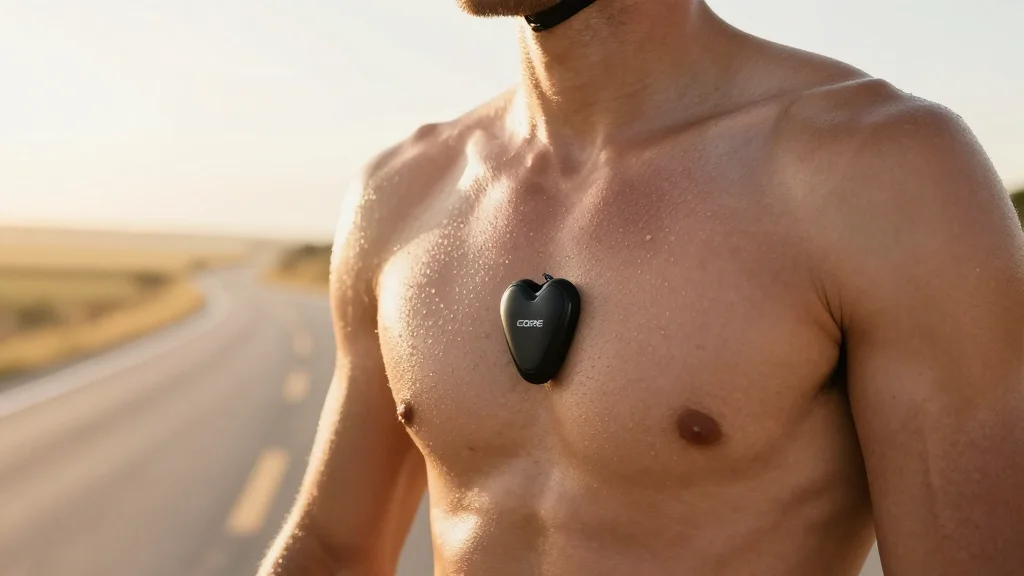
- •CORE sensors now standard on WorldTour riders, partnering with multiple pro teams.
- •Heat training can raise VO₂ max by 4‑6% and increase plasma volume, according to CORE CEO Ross Tucker.
- •Aline Barre advises room‑temperature water; cold drinks may blunt adaptation.
- •No scientific support for intentional dehydration during heat sessions.
- •Market for heat‑training gear and coaching platforms has seen double‑digit growth this quarter.
Pulse Analysis
The rapid adoption of heat training reflects a broader shift toward physiological ‘stress stacking’—combining heat, altitude, and hypoxic exposure to maximize adaptation. Historically, altitude camps were the gold standard, but logistical costs limited access. Heat training, by contrast, can be delivered on a stationary trainer, making it attractive to a wider audience. CORE’s data‑centric approach gives it a first‑mover advantage, allowing the company to monetize both hardware and the analytics layer that underpins performance insights.
However, the technology’s diffusion also exposes a classic innovation paradox: early adopters reap benefits, while later entrants risk misusing the method without proper oversight. The proliferation of consumer‑grade heat‑training kits could dilute the scientific rigor that made the protocol effective in the first place. Industry stakeholders—team scientists, equipment manufacturers, and governing bodies—must collaborate to codify best practices, ensuring that the performance gains are real and that athlete safety is not compromised.
Looking ahead, we expect two converging trends. First, peer‑reviewed research will likely quantify the comparative efficacy of heat versus altitude, informing training periodization models. Second, regulatory frameworks may emerge, mandating temperature monitoring standards for commercial devices. Teams that integrate these standards early will maintain a competitive edge, while the broader market will benefit from clearer, evidence‑based guidelines that protect athletes and sustain the credibility of heat training as a legitimate performance tool.
Heat Training Booms in Cycling, but Experts Urge Proper Protocols
Comments
Want to join the conversation?
Loading comments...