How Much Protein Do You Need? Here's How to Personalize Your Optimal Intake
Why It Matters
This guidance lets consumers personalize nutrition, supporting muscle health and preventing age‑related decline while aligning with updated federal recommendations. It also informs industry marketing and health‑policy debates around protein consumption.
Key Takeaways
- •New guidelines: 1.2–1.6 g protein per kg body weight.
- •Adjust intake for activity level, age, and muscle loss risk.
- •Animal and plant foods meet essential amino acid needs.
- •Overconsumption may harm kidney patients; monitor saturated fat.
- •Track intake using USDA database or macro‑tracking apps.
Pulse Analysis
The renewed focus on protein reflects both consumer demand and scientific consensus that higher intake supports muscle maintenance, especially as the population ages. The 2026 Dietary Guidelines, updated under the influence of health officials, raise the baseline to 1.2‑1.6 g per kilogram, a shift driven by studies linking modest protein increases to better metabolic health and reduced sarcopenia risk. This policy change signals to food manufacturers that protein‑fortified products will likely see sustained growth, while nutritionists must educate clients on evidence‑based targets rather than marketing hype.
Personalizing protein intake starts with a simple weight conversion, but the real nuance lies in activity level and age. Athletes and regular exercisers can safely aim for the upper end of the range, leveraging exercise‑induced muscle sensitization to maximize amino‑acid utilization. Older adults, particularly those past their 30s, benefit from the higher threshold to counteract gradual muscle loss, provided they combine protein with resistance training. Tools such as the USDA protein database or macro‑tracking apps make it easy to audit daily consumption and adjust meals—like Greek yogurt at breakfast or a 4‑ounce chicken breast at dinner—to stay within the individualized window.
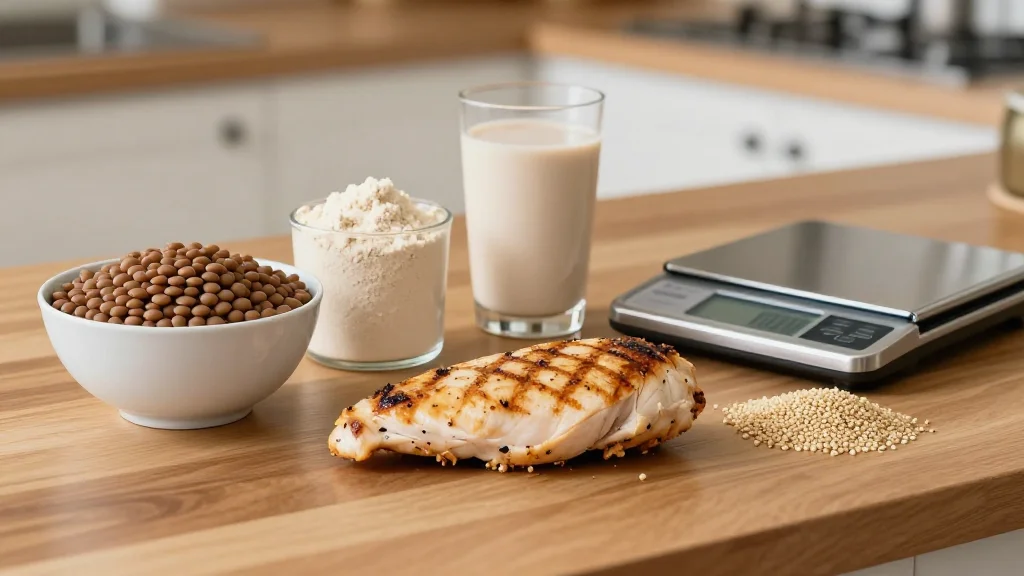
Source selection remains a pivotal consideration. While animal products deliver complete essential amino acids, plant‑based options—especially soy, quinoa, and legumes—can achieve comparable profiles when diversified. This flexibility supports the growing plant‑forward market without compromising nutritional adequacy. However, individuals with chronic kidney disease must monitor total protein, and those relying heavily on meat should watch saturated‑fat intake to stay under the recommended 10 % of calories. Ultimately, a balanced diet rich in varied protein sources, paired with regular strength exercise, offers the most sustainable path to optimal health.
How much protein do you need? Here's how to personalize your optimal intake
Comments
Want to join the conversation?
Loading comments...