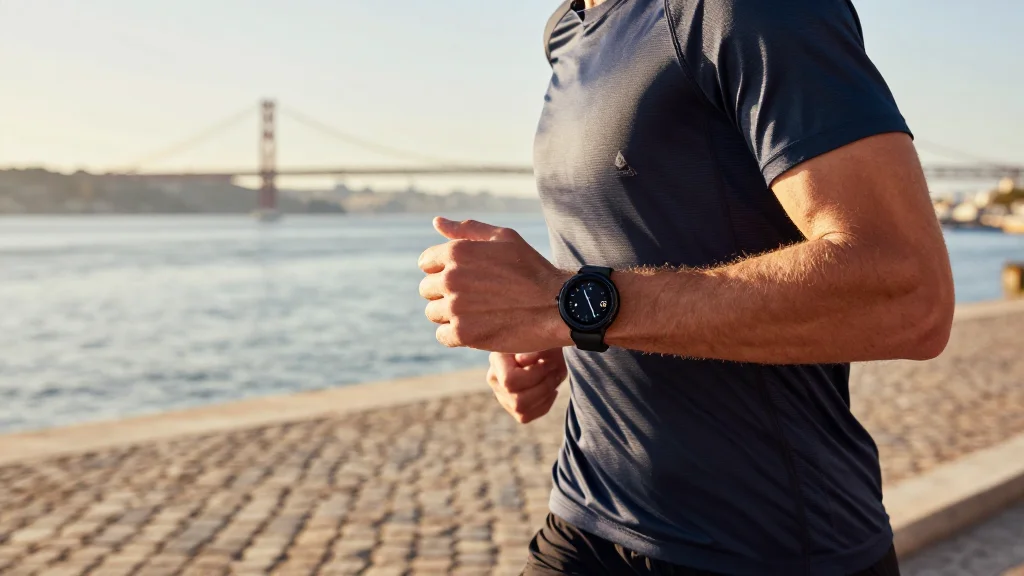
Jacob Kiplimo Sets Half‑Marathon World Record Using Samsung Galaxy Watch8 Data

Companies Mentioned
Why It Matters
Kiplimo’s world‑record run validates the claim that mainstream wearables can deliver actionable, high‑precision data for elite performance. This could lower the barrier to entry for athletes in regions without access to expensive lab equipment, reshaping talent development pipelines worldwide. Moreover, the public endorsement of Samsung’s ecosystem may accelerate adoption among recreational runners, driving a feedback loop that fuels further innovation in health‑focused software. The achievement also raises regulatory considerations. As biometric data becomes integral to competition strategy, sport federations may need to define rules around data sharing, real‑time coaching and the permissible use of wearables during races. The outcome could set precedents that affect everything from anti‑doping protocols to the standardization of performance metrics across the industry.
Key Takeaways
- •Jacob Kiplimo set a new half‑marathon world record in Lisbon (2026) while wearing Samsung Galaxy Watch8.
- •The watch’s real‑time heart‑rate, asymmetry and contact‑time metrics acted as a remote coach for his Ugandan‑based trainer.
- •Kiplimo logged over 100 km of training in a single week, using data‑driven rest days to avoid overtraining.
- •Samsung’s consumer‑grade smartwatch now rivals specialized pro devices, signaling a shift in elite training tools.
- •Upcoming 2026 London Marathon will test whether data‑centric training can translate to a full marathon victory.
Pulse Analysis
Kiplimo’s record underscores a tipping point where consumer wearables are no longer peripheral gadgets but core components of elite training regimens. Historically, high‑performance athletes relied on bespoke telemetry rigs that cost tens of thousands of dollars and required on‑site engineers. Samsung’s Galaxy Watch8 compresses that capability into a $400 device, democratizing access to granular biomechanical data. This democratization could accelerate talent identification in under‑resourced regions, as athletes like Kiplimo can now receive coach‑level insights without leaving their home base.
From a market perspective, the narrative fuels a competitive arms race among smartwatch manufacturers. Garmin’s recent launch of the Forerunner 965 and Polar’s Vantage V2 already target serious athletes, but Samsung’s integration of asymmetry detection—a feature previously limited to lab‑grade motion capture—sets a new benchmark. If the brand can translate this high‑visibility success into sustained software upgrades and a robust developer ecosystem, it could capture a larger share of the premium fitness‑tech segment, traditionally dominated by niche players.
Looking forward, the sport’s governing bodies will likely grapple with fairness and data‑privacy issues. Real‑time analytics could give athletes an edge that rivals traditional coaching, prompting debates over whether in‑race data transmission should be restricted. As more athletes publicize wearable‑driven breakthroughs, regulators may need to codify what constitutes permissible technology, echoing past controversies over carbon‑fiber shoes. The outcome of these discussions will shape the next era of performance sport, where the line between human ability and digital augmentation becomes increasingly blurred.
Jacob Kiplimo Sets Half‑Marathon World Record Using Samsung Galaxy Watch8 Data
Comments
Want to join the conversation?
Loading comments...