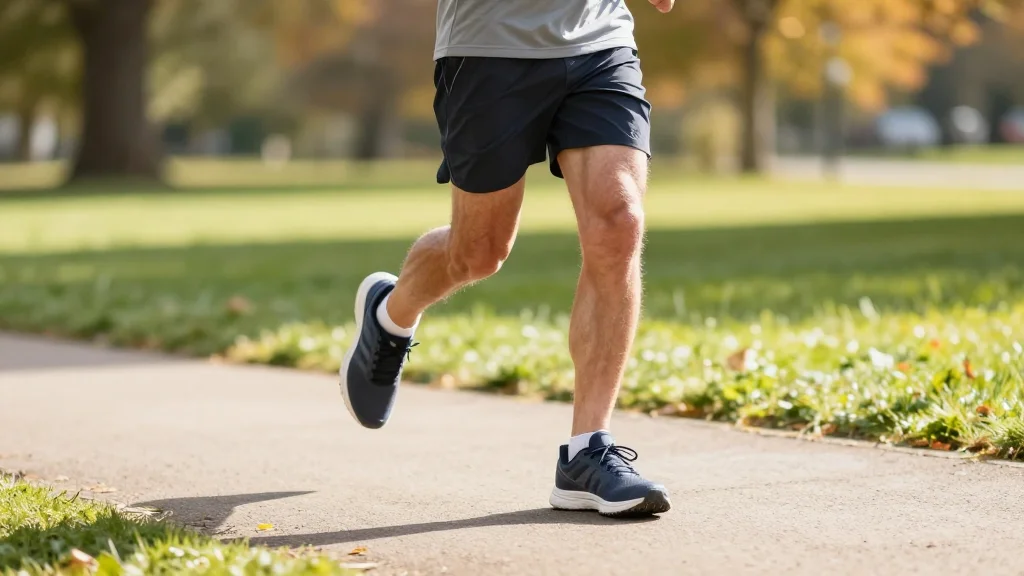
Japanese Interval Walking Boosts Fitness, Study Finds

Why It Matters
The study’s implications extend beyond individual health; they challenge the prevailing narrative that fitness gains require high‑intensity effort or specialized equipment. By validating a simple, low‑cost walking protocol, the research offers a scalable solution for aging populations and for regions where access to gyms is limited. Public health policies could incorporate interval walking into community programs, potentially reducing cardiovascular disease rates and associated healthcare costs. Moreover, the mental health benefits—reduced stress, enhanced sleep and clearer cognition—address a growing concern about the psychological toll of modern, fast‑paced lifestyles. Integrating mindful movement into daily routines may bridge the gap between physical activity and mental well‑being, fostering a more holistic approach to health that resonates with both consumers and policymakers.
Key Takeaways
- •Japanese study finds 3‑minute fast/slow walking intervals improve VO₂ max, leg strength and blood pressure.
- •Protocol requires no equipment; participants walk 20‑30 minutes daily, five days a week.
- •Mental health gains reported include lower stress, better sleep and increased mental clarity.
- •Fitness industry sees opportunity to market low‑impact, inclusive walking programs.
- •Future research will test the method across age groups and varied terrains.
Pulse Analysis
Interval walking’s rise reflects a broader democratization of fitness. Historically, exercise prescriptions favored vigorous activities that excluded large swaths of the population—particularly seniors and those with mobility constraints. The Japanese protocol flips that script by leveraging the body’s natural gait cycles, delivering cardio and strength benefits without the joint strain of running or the equipment costs of gym memberships. This aligns with a growing consumer appetite for health solutions that fit seamlessly into daily life, a trend amplified by remote work and the post‑pandemic emphasis on home‑based wellness.
From a market perspective, the data creates a fertile ground for tech firms and fitness brands to differentiate themselves. Wearables can now offer interval walking modes that cue users to switch pace, track posture and monitor heart‑rate zones, turning a simple walk into a data‑rich experience. Meanwhile, insurers may incorporate walking compliance metrics into wellness incentives, reducing claims related to cardiovascular disease. The key competitive edge will be the ability to translate scientific findings into user‑friendly interfaces that maintain the protocol’s low‑barrier ethos.
Looking forward, the sustainability of interval walking hinges on cultural adoption. While the method is rooted in Japanese daily habits, its exportability depends on education and community reinforcement. Partnerships with municipal planners to create walking-friendly streetscapes, or collaborations with employers to embed short walking breaks, could accelerate uptake. If these ecosystem efforts succeed, interval walking may evolve from a niche health tip into a foundational pillar of global fitness strategy, reshaping how we define and achieve active longevity.
Japanese Interval Walking Boosts Fitness, Study Finds
Comments
Want to join the conversation?
Loading comments...