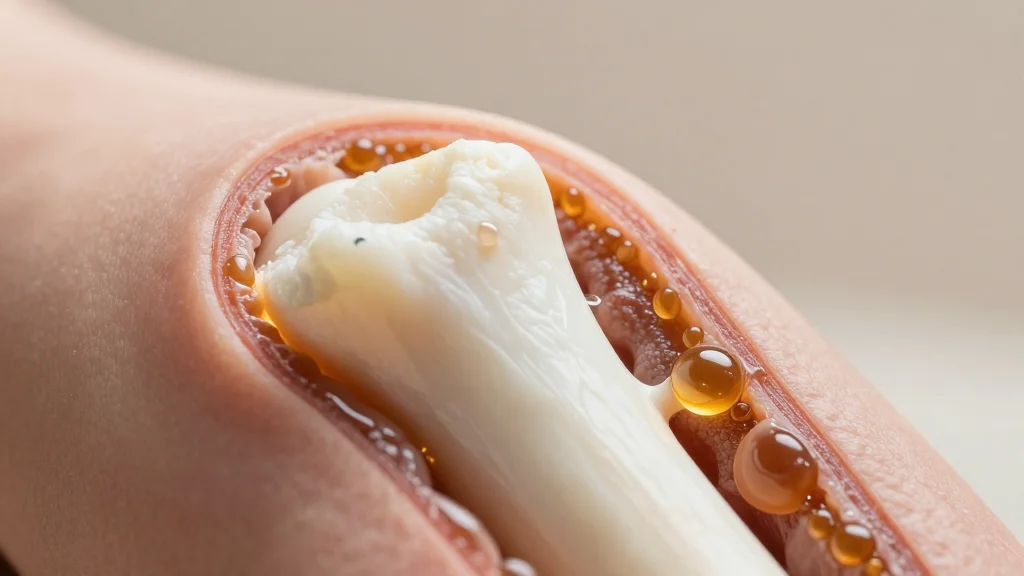
McGill Researchers Uncover Glycerol‑TNAP Pathway to Boost Bone Density

Why It Matters
The glycerol‑TNAP pathway bridges two historically separate health domains—metabolism and bone biology—offering a unified target for interventions that could simultaneously combat obesity and osteoporosis. For the fitness industry, the science provides a mechanistic basis for integrating cold‑exposure and metabolic conditioning into strength‑training programs, potentially reducing fracture risk among aging athletes. Moreover, precision drugs that activate TNAP without systemic side effects could expand the therapeutic arsenal beyond calcium and vitamin D supplements, addressing a growing demographic of older adults seeking to maintain functional independence. By reframing bone health as a metabolic outcome, the discovery may also shift clinical practice toward holistic assessments that include lipid profiles, insulin sensitivity, and thermogenic capacity. This could accelerate the adoption of personalized wellness plans that blend nutrition, temperature therapy, and targeted exercise, ultimately fostering a more resilient, active population.
Key Takeaways
- •McGill scientists map glycerol binding to a pocket on the TNAP enzyme, activating bone mineralization.
- •The pathway links brown‑fat thermogenesis to skeletal strength, offering a dual‑benefit target.
- •Potential drug candidates aim to lock the glycerol pocket, re‑activating TNAP in conditions like hypophosphatasia.
- •Cold‑exposure practices may naturally stimulate the pathway, supporting fitness‑based bone‑health strategies.
- •Pre‑clinical trials are slated for later 2026, with biotech firms eyeing licensing agreements.
Pulse Analysis
The glycerol‑TNAP discovery arrives at a moment when the fitness sector is increasingly data‑driven and biologically informed. Historically, bone health interventions have been siloed from metabolic programs, but this research suggests a paradigm where the two can be co‑optimized. For athletes, especially those in high‑impact sports, integrating cold‑exposure protocols could become a standard preventive measure, akin to current emphasis on mobility and strength work.
From a market perspective, the prospect of a precision enzymatic drug that simultaneously addresses weight management and bone density could attract significant venture capital, given the $200 billion global osteoporosis market and the $1 trillion fitness industry. Companies that can translate the glycerol pocket into a safe oral therapeutic may capture a cross‑section of consumers seeking both metabolic efficiency and musculoskeletal resilience.
However, the path to commercialization is fraught with challenges. TNAP is expressed in multiple tissues, raising concerns about off‑target effects. Moreover, the efficacy of non‑pharmacological approaches like cold exposure will depend on adherence and individual variability in thermogenic response. The next year will be critical: successful animal studies and early‑phase human trials could validate the concept, while any safety setbacks would temper enthusiasm. In any case, the discovery forces clinicians, trainers, and investors to rethink the separation between fat loss and bone health, potentially ushering in a new era of integrated wellness programming.
McGill Researchers Uncover Glycerol‑TNAP Pathway to Boost Bone Density
Comments
Want to join the conversation?
Loading comments...