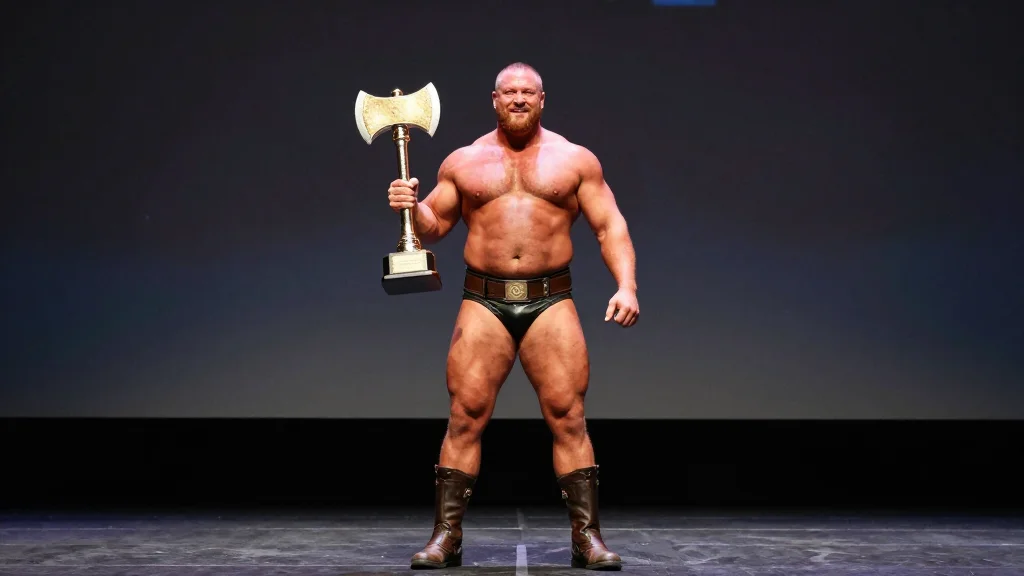
Mitchell Hooper Triumphs at 2026 World’s Strongest Man After Injury‑Riddled Campaign

Why It Matters
Hooper’s triumph highlights the escalating physical demands placed on elite strongmen as the sport transitions from a fringe spectacle to a mainstream fitness phenomenon. His injury‑filled narrative underscores the need for robust health‑management strategies, prompting gyms, coaches, and governing bodies to prioritize athlete longevity over short‑term spectacle. The growing visibility of strongman competitions also influences consumer fitness trends, driving demand for functional strength training equipment and programs. As more recreational lifters emulate strongman techniques, the industry must balance accessibility with safety, ensuring that the sport’s expansion does not compromise participant well‑being.
Key Takeaways
- •Mitchell Hooper wins 2026 World’s Strongest Man despite back, biceps, and knee injuries
- •First world title for Hooper, defeating veterans Brian Shaw and Tom Stoltman
- •Hooper lifted 210 kg in the Log Lift, his heaviest in competition
- •Strongman events are gaining mainstream exposure via streaming platforms
- •Athlete advocates for standardized injury‑prevention protocols in the sport
Pulse Analysis
Mitchell Hooper’s victory arrives at a pivotal moment for strongman, a discipline that has evolved from a niche carnival act into a globally televised sport. Historically, the sport’s allure rested on raw spectacle—massive implements, extreme feats, and a handful of iconic champions. Over the past decade, however, the proliferation of digital media has democratized access, turning athletes like Hooper into influencers with sizable followings. This shift brings both opportunity and risk.
From a market perspective, Hooper’s narrative of overcoming injury aligns with a broader consumer appetite for authentic, resilience‑focused stories. Brands are leveraging such narratives to market recovery‑oriented supplements, wearable tech, and specialized training gear. Yet, the very visibility that fuels commercial growth also amplifies scrutiny over athlete health. The debate over performance versus preservation is likely to shape policy within the International Federation of Strength Athletes (IFSA), potentially leading to mandated rest periods, standardized medical screenings, and data‑driven load management.
Looking forward, Hooper’s proposed collaboration with physiotherapists could serve as a blueprint for a new era of evidence‑based strongman training. If adopted widely, it may reduce injury prevalence, extend athlete careers, and sustain the sport’s upward trajectory. Conversely, failure to address health concerns could trigger backlash from both the athletic community and a public increasingly attuned to wellness, threatening the sport’s mainstream momentum. Stakeholders—promoters, sponsors, and gyms—must therefore balance the spectacle that drives viewership with the responsibility to safeguard the athletes who make it possible.
Mitchell Hooper Triumphs at 2026 World’s Strongest Man After Injury‑Riddled Campaign
Comments
Want to join the conversation?
Loading comments...