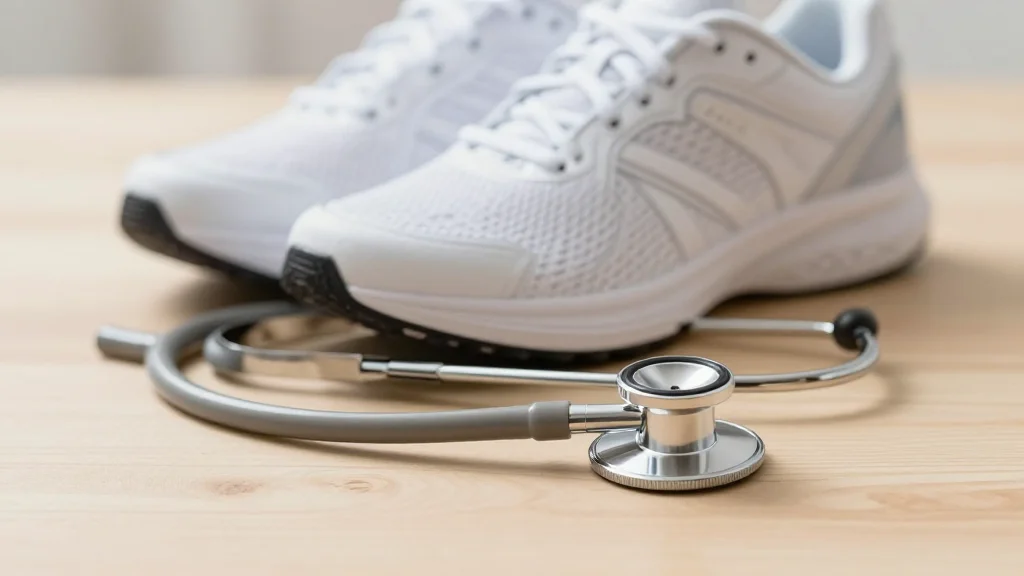
NHS Couch to 5K Logs 1 Billion Minutes and 8 Million Downloads, Fueling UK Fitness Surge

Companies Mentioned
Why It Matters
The Couch to 5K milestone illustrates how a low‑cost, digitally delivered fitness program can generate measurable public‑health outcomes at a national scale. By converting sedentary behavior into regular aerobic activity, the initiative contributes to reductions in cardiovascular risk, mental‑health benefits, and overall healthcare cost avoidance. At the same time, the surge in novice runners is reshaping the sports‑medicine landscape, prompting a reallocation of NHS resources toward injury prevention and rehabilitation for a previously underserved cohort. Economically, the program demonstrates a replicable model for public‑private partnerships that deliver health benefits while stimulating local commerce. The £4.70 return on every promotional pound underscores the multiplier effect of community‑focused fitness initiatives, offering a template for other health agencies seeking to leverage media partnerships to drive behavior change and regional economic growth.
Key Takeaways
- •1 billion minutes of activity logged, equivalent to 15 minutes per UK resident
- •8 million app downloads since launch, with 68% of new users aged 16‑34
- •22% YoY rise in novice‑runner GP consultations since 2023
- •31% revenue increase for independent running stores in major cities
- •£4.70 local economic return for every £1 spent on BBC promotion
Pulse Analysis
The NHS Couch to 5K achievement is more than a vanity metric; it signals a structural shift in how public health agencies can mobilise mass participation through digital platforms. Historically, large‑scale fitness campaigns relied on top‑down messaging and limited community infrastructure. By embedding the program within the BBC’s broadcast ecosystem and providing a free, user‑friendly app, the NHS has lowered the barrier to entry and created a self‑reinforcing loop of engagement, data collection, and community building.
From a market perspective, the surge in novice runners is catalysing a new segment of the sports‑medicine industry. Traditional primary‑care models are ill‑equipped to handle the volume of low‑grade musculoskeletal injuries that accompany rapid adoption of running. This gap is being filled by a hybrid of NHS physiotherapy services and private clinics that specialise in preventive biomechanics, a trend that could accelerate the emergence of tele‑rehab platforms and AI‑driven injury‑risk assessments. Companies that can integrate wearable data with clinical pathways stand to capture a sizable share of this nascent market.
Looking forward, the challenge will be to sustain engagement beyond the 5K finish line. The 12% conversion rate to club running suggests a modest but meaningful pipeline for elite sport, yet the majority of participants will remain recreational. Policymakers must therefore balance investment in high‑performance pathways with continued support for community‑level infrastructure—such as safe running routes, affordable coaching, and injury‑prevention education—to preserve the health gains achieved. If managed effectively, the Couch to 5K model could become a blueprint for other nations seeking scalable, cost‑effective solutions to the global inactivity crisis.
NHS Couch to 5K Logs 1 Billion Minutes and 8 Million Downloads, Fueling UK Fitness Surge
Comments
Want to join the conversation?
Loading comments...