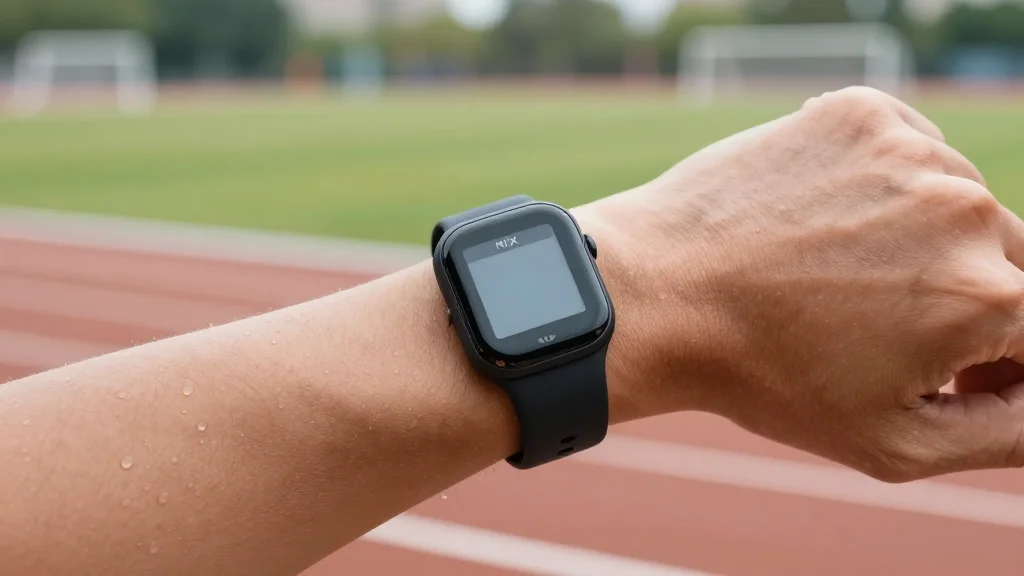
Nix Biosensors Teams with Baylor Athletics for Campus‑Wide Real‑Time Hydration Monitoring

Why It Matters
The Nix‑Baylor partnership illustrates a pivotal shift from generic hydration guidelines to precision, data‑driven athlete care. By providing real‑time sweat analytics to every sport, the program can proactively prevent heat‑related illnesses, a growing concern as climate change intensifies training conditions. Moreover, the longitudinal dataset generated across 450 athletes offers unprecedented research opportunities, potentially redefining best‑practice standards for hydration across the NCAA and beyond. If successful, the model could accelerate adoption of wearable biosensors in other high‑performance environments, from professional leagues to military training. Beyond health, the initiative underscores the commercial viability of wearable biosensor platforms at scale. Demonstrating measurable performance gains and injury reductions could unlock new revenue streams for companies like Nix Biosensors, while giving universities a competitive edge in recruiting top talent who seek cutting‑edge support services. The partnership therefore sits at the intersection of athlete safety, performance optimization, and emerging sports‑tech economics.
Key Takeaways
- •Two‑year agreement between Nix Biosensors and Baylor Athletics
- •Deployment across 19 Division‑I programs and ~450 student‑athletes
- •Real‑time sweat and electrolyte monitoring via Nix Pro wearable
- •Goal to reduce cramping, heat‑related incidents, and improve recovery
- •Creates a longitudinal dataset for cross‑sport hydration research
Pulse Analysis
The Nix‑Baylor deal is more than a tech rollout; it is a proof point that wearable biosensors can be integrated into the fabric of a large, multi‑sport athletic department. Historically, hydration strategies have been based on periodic lab tests or generic guidelines, leaving coaches to guess at individual needs. By embedding continuous monitoring into daily practice, Baylor is turning a traditionally reactive process into a proactive one, aligning with broader trends in precision medicine.
From a market perspective, the partnership gives Nix Biosensors a high‑visibility case study that could be leveraged to win contracts with other Power‑Five schools and professional teams. Competitors will likely accelerate their own campus‑wide pilots, intensifying a race to standardize data protocols and analytics platforms. The key differentiator will be the ability to translate raw sensor data into actionable coaching insights—a challenge that Nix appears to have addressed through its integrated software suite.
Looking ahead, the success of this initiative will hinge on three factors: data integrity, user adoption, and demonstrable performance outcomes. If Baylor can publish clear links between hydration metrics and reduced injury rates or improved win percentages, the business case for scaling such technology will become compelling. Conversely, privacy concerns or data overload could stall adoption. Either way, the partnership sets a benchmark for how sports organizations can harness biosensor data at scale, and it will likely shape the next wave of investment in athlete‑centric technology.
Nix Biosensors Teams with Baylor Athletics for Campus‑Wide Real‑Time Hydration Monitoring
Comments
Want to join the conversation?
Loading comments...