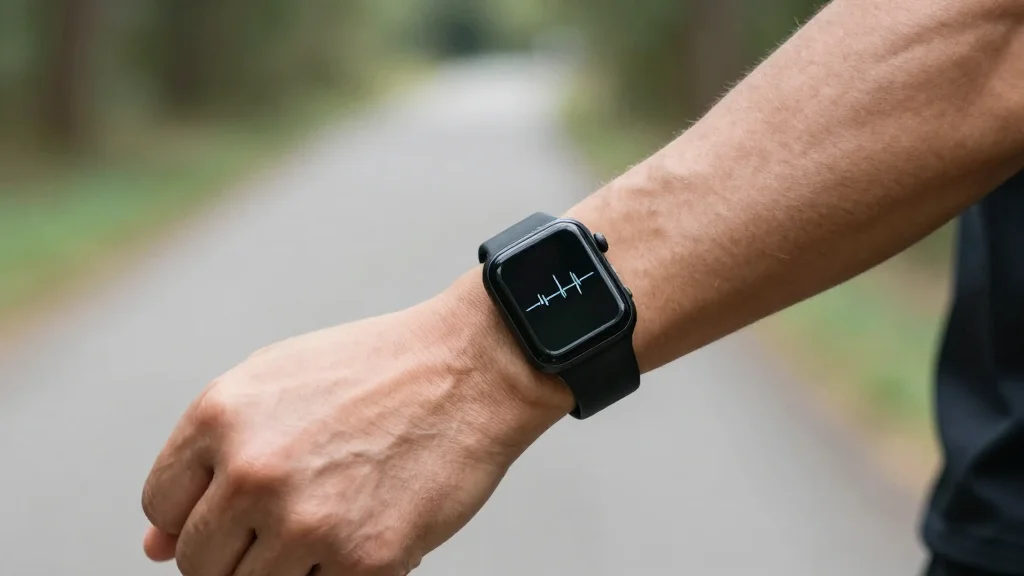
Olympic Biathlete Martin Fourcade Posts Sub‑100 BPM in Elite Respiratory Test

Why It Matters
Fourcade’s sub‑100 bpm result spotlights a physiological benchmark that could redefine how elite endurance is measured. By demonstrating that world‑class athletes can sustain such low heart rates under maximal effort, the data challenges conventional training philosophies that prioritize sheer VO₂max numbers. This shift may influence coaching curricula, talent identification, and investment in high‑precision testing equipment across sports federations. Moreover, the public nature of the disclosure brings elite endurance science into mainstream conversation, potentially inspiring recreational athletes to adopt more nuanced heart‑rate monitoring practices. As the fitness industry leans into wearable technology, the demand for accurate HRV and sub‑threshold metrics is likely to surge, creating new market opportunities for device manufacturers and data‑analytics firms.
Key Takeaways
- •Martin Fourcade recorded a heart rate below 100 bpm during an elite cardio‑respiratory test.
- •The test was conducted in a laboratory setting simulating race‑pace effort.
- •Fourcade’s result follows similar data from French runner Jimmy Gressier, fueling debate on endurance benchmarks.
- •Coaches are increasingly using heart‑rate variability and sub‑threshold training to emulate elite physiology.
- •Upcoming IBU championships will test whether sub‑100 bpm translates into competitive advantage.
Pulse Analysis
Fourcade’s achievement arrives at a crossroads where traditional endurance metrics intersect with emerging physiological insights. Historically, VO₂max has been the headline figure for elite performance, but the growing emphasis on low heart‑rate thresholds reflects a deeper understanding of cardiac efficiency and metabolic economy. Athletes who can sustain high workloads with minimal cardiac strain are better positioned to delay fatigue, recover faster, and maintain performance across multi‑day events—a critical advantage in biathlon, where shooting accuracy and skiing speed must coexist.
From a market perspective, the ripple effect of Fourcade’s data could be substantial. Wearable manufacturers are already racing to improve sensor accuracy for HRV and sub‑maximal heart‑rate tracking. A surge in demand for lab‑grade testing services is plausible as federations seek to benchmark their athletes against the new standard. This creates a feedback loop: more data fuels better algorithms, which in turn raise expectations among athletes and coaches.
Looking forward, the key question is whether sub‑100 bpm under maximal effort will become a universal target or remain a niche metric for a select few. If subsequent studies confirm its predictive power for performance longevity, we may see a paradigm shift in training periodisation, with greater emphasis on cardiac efficiency drills, altitude acclimatisation, and individualized heart‑rate zones. For now, Fourcade’s disclosure serves as both a proof point and a catalyst, nudging the endurance community toward a more sophisticated, data‑centric future.
Olympic Biathlete Martin Fourcade Posts Sub‑100 BPM in Elite Respiratory Test
Comments
Want to join the conversation?
Loading comments...