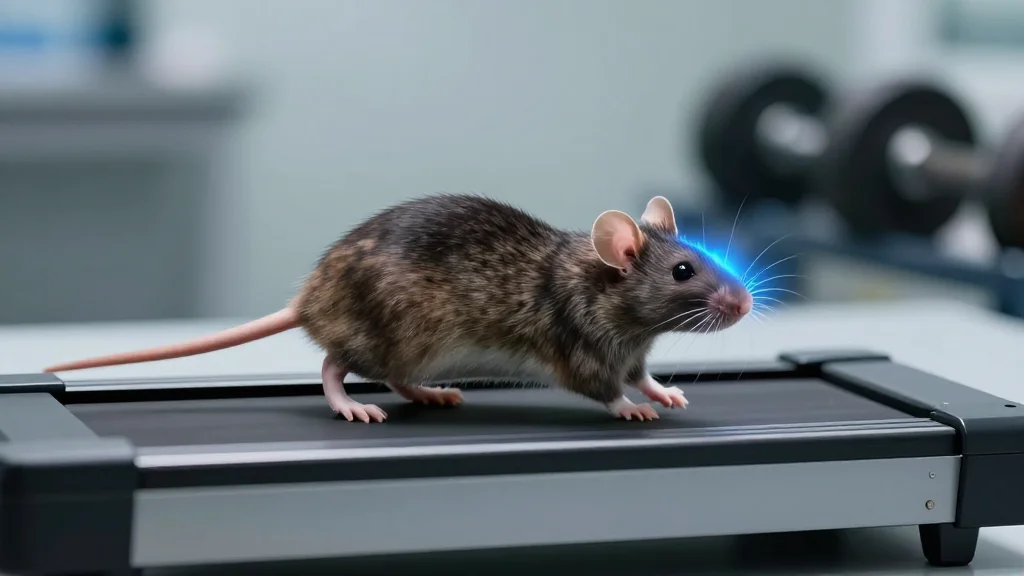
Penn Study Finds Brain Cells Drive Exercise‑Induced Strength Gains

Why It Matters
Understanding that the brain continues to work after a workout reshapes the fundamental biology of fitness. It suggests that recovery protocols, nutrition timing, and even mental focus could be optimized to harness this neural window, potentially accelerating gains for athletes and making exercise more rewarding for the general public. For the fitness industry, the insight opens a market for products and services—such as neuro‑targeted supplements or post‑exercise brain‑training apps—that claim to extend or amplify the brain's post‑exercise activity. Beyond performance, the findings could influence public health strategies aimed at older populations. If sustaining hypothalamic signaling helps preserve muscle function and metabolic health, interventions that protect or stimulate these neurons might reduce age‑related decline, lower injury risk, and keep seniors active longer, easing the burden on healthcare systems.
Key Takeaways
- •University of Pennsylvania study links VMH SF1 neuron activity to endurance gains
- •Neurons stay active for at least an hour after exercise, driving adaptation
- •Blocking post‑exercise signaling stops stamina improvements in mice
- •Findings challenge muscle‑centric models of training and recovery
- •Future human studies could lead to brain‑focused fitness products and therapies
Pulse Analysis
The Penn discovery arrives at a moment when the fitness sector is increasingly data‑driven, yet most metrics still focus on peripheral outputs—heart rate, VO2 max, or muscle mass. By positioning the brain as a primary driver of adaptation, the research invites a paradigm shift akin to the rise of neuro‑fitness wearables that track stress and cognition. Historically, breakthroughs like the identification of myostatin inhibitors reshaped strength training; similarly, a brain‑centric approach could spawn a new class of interventions that blend neuroscience with traditional coaching.
From a competitive standpoint, companies that already integrate cognitive training—such as neuro‑feedback platforms and mindfulness apps—may find a natural extension into post‑exercise neural optimization. Partnerships with biotech firms developing neuromodulators could accelerate product pipelines, while gyms might experiment with cooldown environments designed to sustain hypothalamic activity (e.g., low‑light, music‑driven spaces). However, translating mouse data to humans will be the critical hurdle. Human hypothalamic imaging is technically challenging, and ethical considerations will limit invasive manipulation. The industry’s ability to generate credible, non‑invasive markers of post‑exercise brain activity will determine whether this insight becomes a market differentiator or remains an academic curiosity.
Looking ahead, the next five years could see pilot studies testing whether specific nutrients, breathing techniques, or light exposure prolong SF1‑like activity in people. If successful, we may witness a wave of “brain‑recovery” protocols marketed alongside traditional periodization plans. Trainers who adopt these concepts early could gain a competitive edge, while skeptics will demand rigorous evidence before reshaping curricula. Either way, the study underscores that the brain is not a passive observer of physical effort—it is an active participant, and that realization may be the most powerful rep in the fitness toolbox.
Penn Study Finds Brain Cells Drive Exercise‑Induced Strength Gains
Comments
Want to join the conversation?
Loading comments...