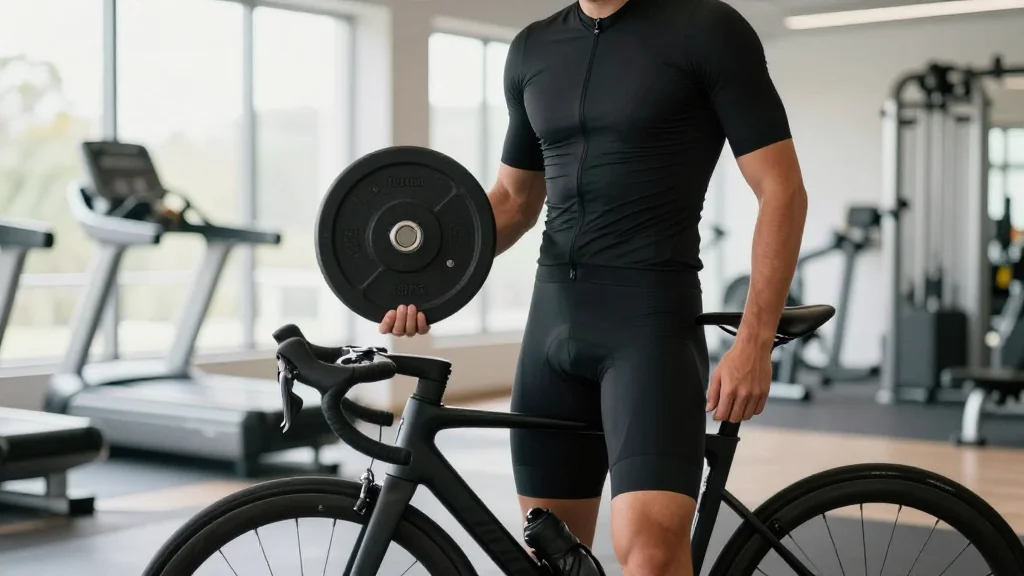
Pogačar Says Gym Gains Made Him Heavier After Romandie Win

Companies Mentioned
Why It Matters
Pogačar’s admission shines a spotlight on a growing debate within elite cycling: how much strength training is optimal without compromising the low body mass that underpins endurance performance. His experience may influence training philosophies across the sport, encouraging coaches to adopt more nuanced periodization that aligns gym work with race calendars. Beyond cycling, the story resonates with athletes in other endurance disciplines—marathoners, triathletes, and cross‑country skiers—who grapple with similar trade‑offs. Understanding how top performers manage weight, power, and performance can inform broader fitness trends and commercial training programs aimed at amateur athletes seeking balanced conditioning.
Key Takeaways
- •Pogačar confirmed he is "heavier than usual" after a gym‑focused off‑season.
- •He won his third stage of the 2026 Tour de Romandie, extending his overall lead.
- •The rider attributed extra weight to "getting carried away" with strength training.
- •Team UAE Emirates‑XRG highlighted the importance of teamwork in the victory.
- •The incident fuels ongoing debate about strength work versus weight management in pro cycling.
Pulse Analysis
Pogačar’s weight gain is a micro‑case study of a macro trend: the integration of strength training into endurance sports. Historically, elite cyclists prized a lean physique to minimize power‑to‑weight ratios, especially on climbs. However, the last decade has seen a gradual acceptance of targeted resistance work to boost muscular endurance and injury resilience. Pogačar’s comment suggests he may have overshot the optimal point, gaining muscle mass that, while beneficial for short bursts, could erode his efficiency over long climbs.
From a market perspective, this narrative could accelerate demand for specialized coaching services that blend periodized strength programs with precise nutrition plans. Brands that offer wearable tech capable of tracking muscle mass changes, or supplements aimed at lean‑mass preservation, may see heightened interest. Moreover, the story underscores the importance of data analytics; teams that can quantify the performance impact of each kilogram added will gain a competitive edge.
Looking ahead, the key question is whether Pogačar will adjust his training to shed the extra weight before the Giro d’Italia or lean into a more power‑centric approach. His decision will likely influence peer athletes and coaching curricula. If he trims down and continues to dominate, it may reaffirm the primacy of low body mass. If he maintains his current condition and still performs at the top level, it could validate a new paradigm where controlled strength gains coexist with elite endurance performance.
Pogačar Says Gym Gains Made Him Heavier After Romandie Win
Comments
Want to join the conversation?
Loading comments...