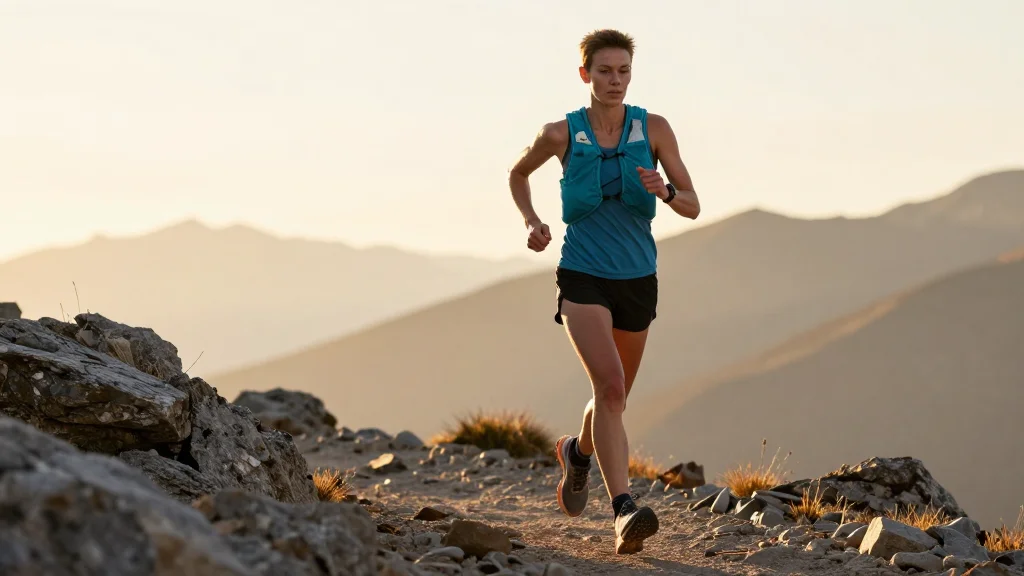
Rachel Entrekin Shatters 407‑km Ultramarathon Record, Becomes Fastest Woman Ever

Why It Matters
Entrekin’s record redefines the performance ceiling for women in ultra‑endurance, offering a tangible benchmark that can inform training methodologies, product development and sponsorship strategies. By demonstrating that a female athlete can outpace the best male times over 407 km, the achievement challenges entrenched gender narratives and may catalyze greater investment in women’s ultra‑running programs. The ripple effects extend beyond the sport itself. Health and fitness brands can leverage the data to market nutrition and recovery solutions tailored to extreme‑duration activities, while sports scientists gain a high‑profile case study to explore physiological adaptations unique to women at the limits of human endurance.
Key Takeaways
- •Rachel Entrekin completed a 407‑km ultramarathon in record time, becoming the fastest woman ever at the distance.
- •Her training regimen included 200 km per week, carbohydrate periodisation and daily recovery protocols.
- •Real‑time biometric monitoring allowed on‑the‑fly pacing adjustments during the race.
- •The performance challenges traditional gender assumptions in ultra‑endurance sport.
- •Entrekin plans to defend the record later this year and may target longer ultra‑marathons.
Pulse Analysis
Entrekin’s breakthrough arrives at a moment when the ultra‑endurance market is expanding rapidly, with new races emerging across continents and a surge in participation from both recreational and elite athletes. Historically, the sport’s narrative has been male‑centric, but recent data points—such as the increasing proportion of women in events like the Ultra‑Trail du Mont‑Blanc and the Western States 100—suggest a shifting demographic. Entrekin’s record provides a concrete example that could accelerate this trend, prompting race directors to allocate more resources toward women’s divisions and sponsors to diversify their athlete portfolios.
From a commercial perspective, the achievement unlocks new storytelling opportunities for brands seeking authenticity in the extreme‑performance space. Companies that supply high‑carb gels, electrolyte drinks, and compression wear can now anchor campaigns around a proven female ultra‑athlete who has demonstrated the efficacy of their products under the most demanding conditions. This alignment may also drive research collaborations, as manufacturers look to validate product performance through scientific studies that reference Entrekin’s data.
Looking forward, the key question is whether Entrekin’s performance is an outlier or the beginning of a broader performance uplift among female ultra‑runners. If the latter, we could see a recalibration of race records, prize structures and media coverage, with women taking a more central role in the sport’s narrative. Stakeholders—ranging from event organizers to equipment makers—should monitor upcoming races for similar breakthroughs, as they will signal whether this moment marks a lasting transformation or a singular milestone.
Rachel Entrekin Shatters 407‑km Ultramarathon Record, Becomes Fastest Woman Ever
Comments
Want to join the conversation?
Loading comments...