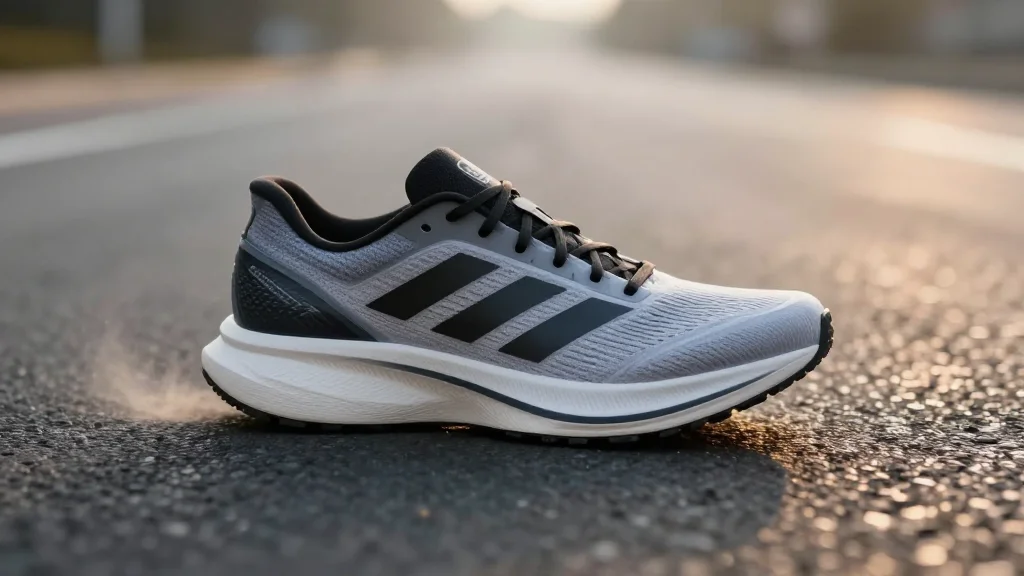
Sebastian Sawe Shatters 2‑hour Marathon Barrier in Adidas 97‑gram Shoe

Why It Matters
The breakthrough underscores how incremental engineering—lighter materials, carbon‑plate geometry, and foam redesign—can translate into measurable performance gains at the elite level. As manufacturers race to out‑innovate each other, the gap between elite and recreational runners may widen, prompting governing bodies to revisit equipment regulations. Moreover, the rapid sell‑out of the limited‑edition shoe highlights a consumer appetite for high‑performance gear, suggesting that future product strategies will blend elite technology with broader market accessibility. For athletes, the record illustrates that footwear is now a core component of race strategy, alongside training and nutrition. Coaches and sports scientists must integrate shoe selection into periodization plans, while sponsors will likely invest more heavily in bespoke footwear development. The convergence of shoe tech and fueling protocols could redefine what is considered a realistic performance ceiling in endurance sports.
Key Takeaways
- •Sebastian Sawe ran 1:59:30 at the London Marathon, the first sub‑two‑hour official marathon.
- •He wore Adidas' Adizero Adios Pro Evo 3, weighing just 97 grams per shoe—30% lighter than its predecessor.
- •Adidas claims the shoe improves running economy by 1.6%, equating to roughly 15 seconds over a marathon.
- •The shoe retails for $500 and sold out its limited release within two minutes.
- •Fueling strategy involved Maurten hydrogel and sodium bicarbonate, delivering up to 300 g of carbs during the race.
Pulse Analysis
Adidas' triumph with the Evo 3 marks a pivotal moment in the arms race for marathon‑breaking technology. Historically, breakthroughs—Nike's Vaporfly in 2016, then incremental carbon‑plate refinements—have shifted the performance baseline by fractions of a percent, yet those fractions translate into minutes at the marathon distance. The Evo 3 pushes that envelope further by slashing weight to an unprecedented 97 grams, a figure that rivals the mass of a pair of socks. While the 1.6% economy gain may appear modest, in the context of elite competition it is decisive, as evidenced by Sawe's minute‑plus improvement over the prior world record.
The commercial dynamics are equally compelling. Adidas' limited‑edition drop generated a frenzy reminiscent of sneaker culture hype cycles, but the company’s roadmap to a more accessible version suggests a strategic pivot: monetize elite performance while eventually democratizing the technology. This mirrors the trajectory of high‑performance automotive tech trickling down to consumer models. However, the rapid adoption also raises regulatory eyebrows; World Athletics may feel pressure to tighten shoe specifications to preserve competitive equity, echoing past debates over sole thickness and plate geometry.
Finally, Sawe's success illustrates the growing symbiosis between footwear and nutrition science. The integration of Maurten's hydrogel and targeted bicarbonate buffering reflects a holistic approach where equipment and fueling are co‑optimized. As data‑driven training and personalized nutrition become standard, future records will likely hinge on the seamless orchestration of multiple performance levers rather than any single innovation. The sub‑two‑hour barrier is now a benchmark, not a ceiling, and the next wave of marathon contenders will be defined by how effectively they can align shoe tech, fueling, and training into a unified performance package.
Sebastian Sawe shatters 2‑hour marathon barrier in Adidas 97‑gram shoe
Comments
Want to join the conversation?
Loading comments...