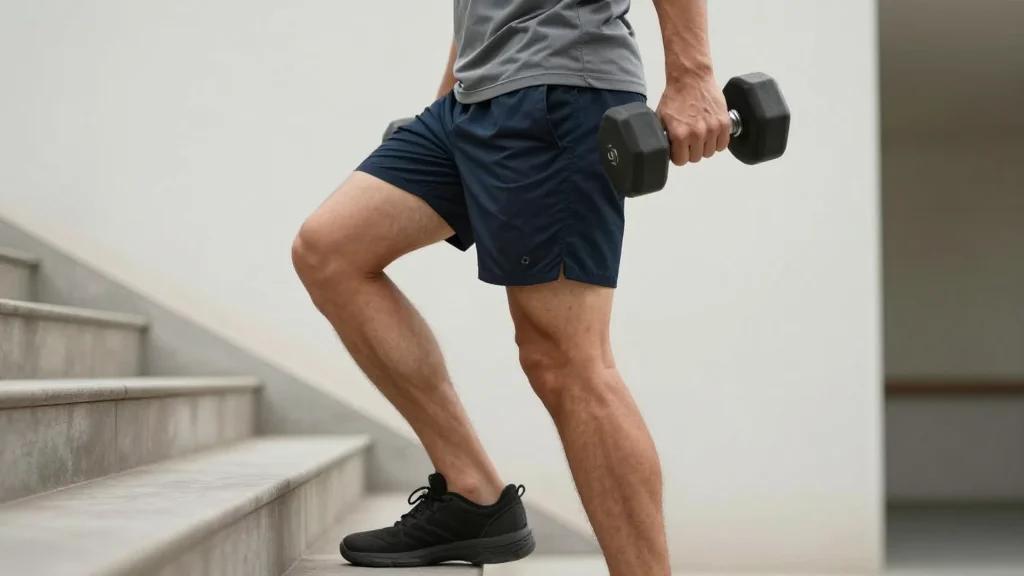
Slow Eccentric Exercise Proven to Build Stronger Muscles, Undermining ‘No Pain, No Gain’ Dogma

Why It Matters
The study reshapes how strength is built, offering a scientifically backed alternative to high‑intensity, pain‑centric workouts. By demonstrating that muscle force can be increased with lower metabolic demand, it opens doors for older adults, rehabilitation patients, and time‑pressed individuals to safely pursue strength gains. This shift could reduce injury rates, lower barriers to entry, and expand the market for low‑impact training equipment and programming. Beyond individual health, the findings could influence public health policy by supporting more inclusive physical activity recommendations. If eccentric exercise proves effective at scale, schools, workplaces, and community centers might adopt simple, equipment‑free routines—like controlled stair descent—to improve population‑wide muscular health without the need for costly gym infrastructure.
Key Takeaways
- •Kazunori Nosaka’s review confirms eccentric contractions generate greater force with less metabolic cost.
- •Elderly women who walked downstairs for 12 weeks showed superior cardiovascular and fitness improvements versus uphill walking.
- •Eccentric training is safe for a broad spectrum of users, from children to senior athletes.
- •Fitness providers may pivot to programs emphasizing slow, controlled lowering phases.
- •Future research will target optimal tempo, load, and frequency for different populations.
Pulse Analysis
The resurgence of eccentric training reflects a broader industry trend toward efficiency and inclusivity. Historically, strength programs have prized maximal effort, often sidelining those unable or unwilling to tolerate high fatigue. This review provides a credible scientific foundation for a paradigm shift, echoing earlier findings in sports science that highlighted the unique neuromuscular adaptations of lengthening contractions.
From a market perspective, the data could catalyze a wave of product innovation. Manufacturers might develop resistance machines with built‑in eccentric‑only modes, while wearable tech firms could introduce sensors that track descent speed and force, offering real‑time feedback. Trainers who adopt eccentric protocols early could differentiate their services, appealing to clients seeking low‑impact yet effective strength work.
Looking ahead, the key challenge will be translating academic consensus into mainstream practice. Adoption hinges on clear, actionable guidelines and demonstrable outcomes in real‑world settings. If the fitness ecosystem embraces these insights, we may see a measurable decline in overuse injuries and a more diverse demographic engaging in strength training, ultimately raising the baseline of muscular health across the population.
Slow Eccentric Exercise Proven to Build Stronger Muscles, Undermining ‘No Pain, No Gain’ Dogma
Comments
Want to join the conversation?
Loading comments...