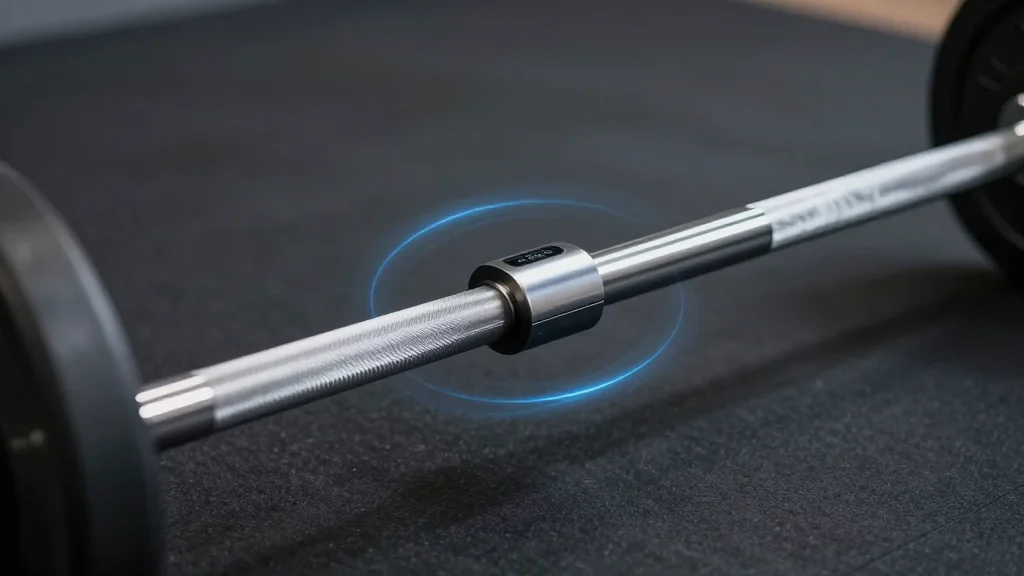
Strength Experts Challenge One‑Rep Max, Push Velocity‑Based Training

Why It Matters
The challenge to the one‑rep max reshapes how coaches prescribe load, potentially reducing injury rates and improving training efficiency. By adopting velocity‑based metrics, athletes can receive daily, objective feedback without the fatigue and risk associated with maximal lifts. This shift also accelerates the integration of technology into everyday strength training, aligning the fitness industry with broader trends in quantifiable performance data. Beyond the gym floor, the debate influences certification curricula for strength‑and‑conditioning professionals, who may need to master VBT tools and data interpretation. As academic research validates VBT’s efficacy, it could become a new standard in elite sport, collegiate programs, and commercial fitness centers alike.
Key Takeaways
- •Irineu Loturco leads a commentary questioning the accuracy and safety of one‑rep max testing.
- •One‑rep max protocols require up to five incremental lifts and several minutes of rest per attempt.
- •Velocity‑based training measures bar speed using accelerometers, transducers, or smartphone cameras.
- •Mean propulsive velocity (MPV) provides an instant, objective indicator of strength gains.
- •Adoption of VBT could boost demand for bar‑speed sensors and analytics platforms.
Pulse Analysis
The push against the one‑rep max reflects a maturation of strength science, moving from static, single‑point assessments to continuous, data‑rich monitoring. Historically, 1RM testing emerged in the mid‑20th century as a simple way to quantify maximal strength, but it never accounted for day‑to‑day variability in fatigue, sleep, or stress. Velocity‑based training fills that gap by offering a dynamic readout that aligns with modern periodization models, which emphasize autoregulation and individualized load adjustments.
From a market perspective, the rise of VBT could catalyze a wave of hardware and software innovation. Companies that previously focused on plate‑loading racks or traditional strength‑testing rigs may need to diversify into sensor technology or partner with app developers. Early adopters—high‑performance sports teams, elite gyms, and tech‑savvy personal trainers—are likely to drive demand, creating a feedback loop that accelerates product refinement and price reductions.
Looking ahead, the decisive factor will be empirical validation. If longitudinal studies demonstrate that VBT leads to comparable or superior strength gains with fewer injuries, certification bodies such as NSCA and ACSM may update their curricula, cementing VBT as the new norm. Until then, the fitness community will likely see a hybrid approach, where coaches retain occasional 1RM testing for benchmarking while integrating velocity metrics for day‑to‑day programming. This transitional period offers a fertile ground for thought leaders to shape best‑practice guidelines and for innovators to capture market share.
Strength Experts Challenge One‑Rep Max, Push Velocity‑Based Training
Comments
Want to join the conversation?
Loading comments...