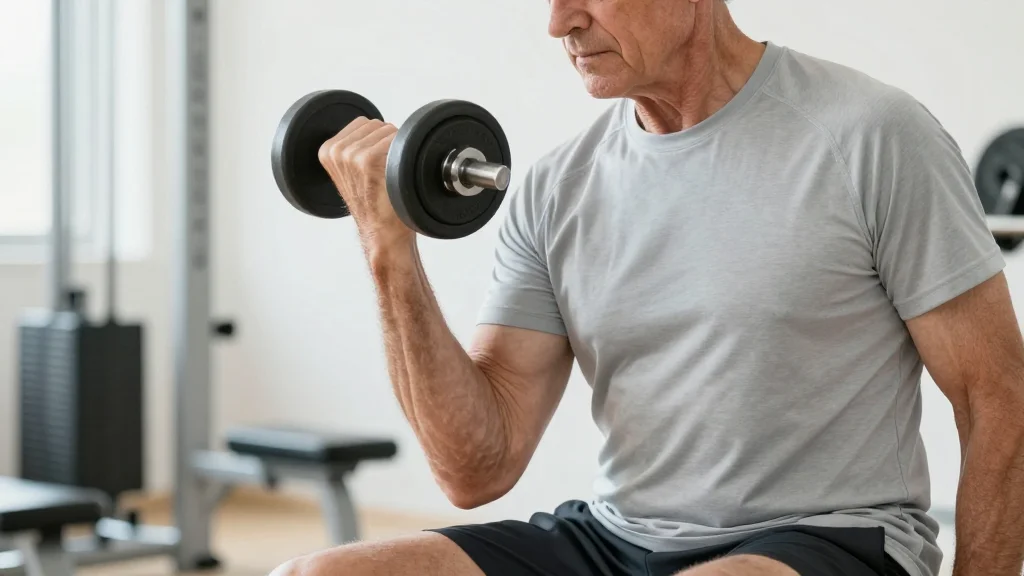
Study Finds Exercise Beats Protein Powder for Preserving Muscle Strength in Seniors

Why It Matters
Maintaining muscle strength is directly linked to reduced fall risk, prolonged independence, and lower healthcare costs for an aging population projected to reach 73 million Americans by 2030. This study challenges the prevailing narrative that protein powders are a silver bullet for seniors, urging policymakers, clinicians, and fitness professionals to prioritize accessible exercise programs over supplement marketing. The findings also signal a potential shift in the $5 billion senior nutrition supplement market, prompting manufacturers to reconsider product positioning and possibly invest in evidence‑based exercise partnerships rather than relying solely on protein claims.
Key Takeaways
- •A 24‑week trial with 141 adults 65+ found exercise preserved strength while whey protein did not.
- •Participants already met recommended daily protein intake, highlighting the limited added value of supplements.
- •Potassium bicarbonate, intended to neutralize age‑related acidity, showed no impact on muscle outcomes.
- •Study published in the American Journal of Clinical Nutrition, led by Tufts' Lisa Ceglia.
- •Results could reshape senior fitness guidelines and influence the $5 billion protein‑supplement market.
Pulse Analysis
The study arrives at a pivotal moment when the fitness industry is courting older adults with both high‑tech gym solutions and a flood of nutraceuticals. Historically, resistance training has been the cornerstone of sarcopenia mitigation, yet recent decades saw a parallel rise in protein‑fortified products marketed as a low‑effort alternative. This research reasserts the primacy of mechanical loading—exercise—as the physiological trigger for muscle protein synthesis, especially when baseline nutrition is adequate.
From a market perspective, the data could catalyze a strategic pivot. Companies that have heavily invested in senior‑focused protein powders may need to diversify, perhaps by bundling supplements with certified exercise programs or by funding community‑based fitness initiatives that demonstrate measurable outcomes. Meanwhile, insurers and Medicare Advantage plans might leverage these findings to incentivize gym memberships or home‑based resistance training, potentially reducing long‑term orthopedic costs.
Looking forward, the next wave of research should address the dosage ceiling of protein, the role of timing relative to workouts, and the interaction with emerging modalities like blood‑flow restriction training. If future trials confirm that exercise alone remains superior, the industry narrative will likely shift from “supplement‑first” to “exercise‑first, supplement‑second,” reshaping consumer behavior and regulatory scrutiny alike.
Study Finds Exercise Beats Protein Powder for Preserving Muscle Strength in Seniors
Comments
Want to join the conversation?
Loading comments...