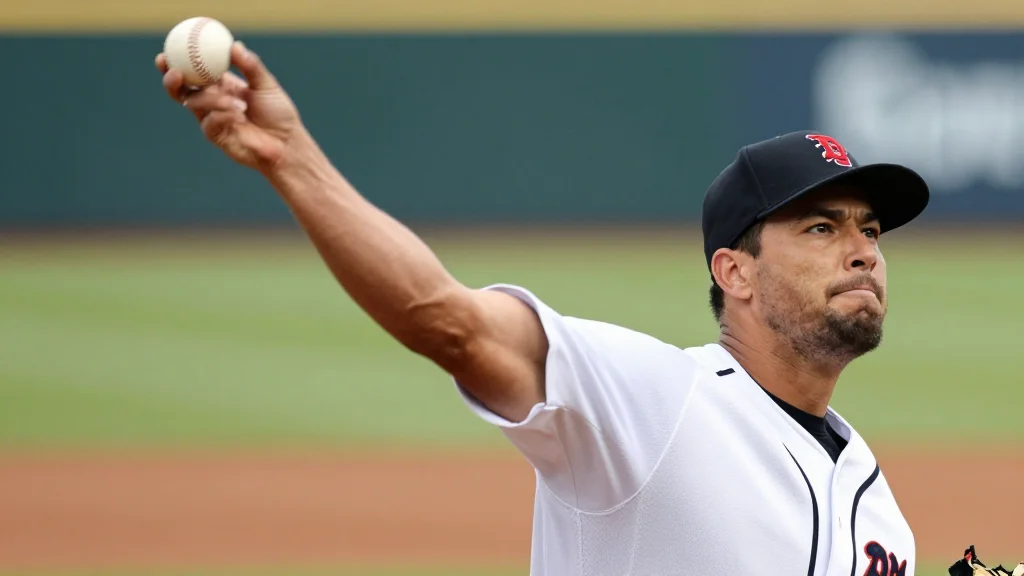
Study Finds Pitching Mechanics Can Cut Elbow Stress Without Slowing Fastballs

Why It Matters
The study provides a data‑driven pathway to reduce one of baseball’s most costly injuries without compromising performance. By focusing on biomechanical efficiency rather than velocity alone, teams can protect valuable assets—both veteran pitchers and emerging talent—while potentially lowering medical expenses associated with UCL reconstruction. Beyond the professional ranks, the findings have public‑health relevance for youth baseball, where early adoption of safer mechanics could prevent a generation of players from facing chronic elbow problems. If integrated into Little League coaching standards, the research could shift the sport’s culture toward longevity and health.
Key Takeaways
- •University of Waterloo study identifies high arm slot and torso tilt as key to reducing UCL stress
- •Simulation shows a 93 mph pitch with optimized mechanics lowers ligament load versus extreme delivery
- •Research follows high‑profile UCL surgery on Toronto Blue Jays pitcher José Berríos
- •Findings aim to inform MLB coaching, rehab programs, and youth baseball curricula
- •Team plans real‑world validation with MLB motion‑capture data and wearable sensors
Pulse Analysis
The Waterloo breakthrough arrives at a moment when MLB clubs are investing heavily in sports‑science infrastructure. Historically, injury‑prevention efforts have focused on workload monitoring—tracking pitch counts and rest days. This study adds a new dimension by quantifying the mechanical levers that directly influence ligament stress. If teams can embed the simulation’s recommendations into daily coaching, the return on investment could be substantial, reducing surgery costs that routinely exceed $500,000 per player when accounting for rehab and lost performance.
From a competitive standpoint, early adopters may gain a measurable edge. Pitchers who can maintain elite velocity while presenting a lower injury profile become more valuable in contract negotiations, potentially reshaping salary structures for arms. Moreover, the research could influence scouting metrics; scouts might prioritize pitchers who naturally exhibit the identified efficient mechanics, rather than solely rewarding raw velocity.
Looking ahead, the integration of biomechanical modeling with wearable technology could usher in a feedback loop where pitchers receive instant corrective cues, akin to real‑time analytics used in other sports. Such a system would not only protect athletes but also generate a wealth of data for further refinement of injury‑risk models. The challenge will be ensuring that the technology is accessible across all levels of play, preventing a divide where only elite clubs reap the benefits. If the industry can bridge that gap, the study could mark a turning point in how baseball balances performance with player health.
Study Finds Pitching Mechanics Can Cut Elbow Stress Without Slowing Fastballs
Comments
Want to join the conversation?
Loading comments...