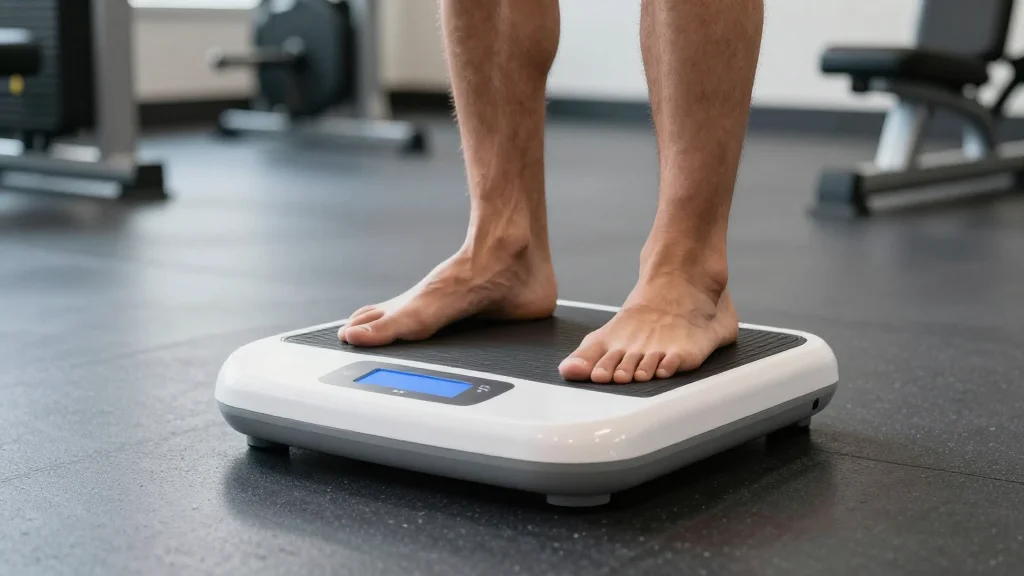
TANITA Announces MC-800 Body Composition Analyzer for Fitness Facilities

Why It Matters
The MC-800 could reshape how fitness facilities deliver value, turning body composition data from a niche clinical tool into a routine member service. By providing objective metrics on the gym floor, clubs can personalize training programs, justify premium pricing, and create new revenue streams beyond membership dues. If widely adopted, the technology may narrow the retention gap that plagues many U.S. gyms, driving higher lifetime value per member and encouraging a broader industry move toward data‑driven coaching. Moreover, the launch underscores a larger trend: the convergence of health technology and consumer fitness. As wearables and home‑based health devices proliferate, gyms that embed clinical‑grade measurement tools can differentiate themselves, offering a hybrid experience that blends professional oversight with the convenience of on‑site analytics.
Key Takeaways
- •TANITA announced the MC-800 body composition analyzer, set to debut at FIBO 2026.
- •Jeff Collins, TANITA US President, highlighted the device's role in member onboarding and engagement.
- •U.S. gym median member retention is about 66.5%; smaller clubs see as low as 53.7%.
- •Top clubs earn $1,419 per member versus $848 for mid‑size operators.
- •Premium clubs (> $70/month) generate ~29.4% of revenue from non‑dues sources.
Pulse Analysis
TANITA’s MC-800 arrives at a moment when fitness operators are scrambling for differentiation. Historically, gyms have relied on class schedules, equipment variety, and pricing to attract members. The last decade saw a pivot toward data‑centric experiences—think wearable integrations and app‑based coaching—but few have offered clinical‑grade body composition analysis on site. By bridging that gap, TANITA positions itself as a catalyst for a new revenue model: assessment‑driven services.
The financial logic is compelling. High‑margin non‑dues revenue—personal training, nutrition counseling, and specialized assessments—already accounts for a sizable slice of premium club earnings. The MC-800 can expand that slice by enabling scalable, self‑service assessments that reduce staff overhead while still delivering personalized insights. For mid‑size operators, the device could be a lever to climb toward the $1,400‑per‑member benchmark, narrowing the gap with elite clubs.
However, adoption will hinge on cost, integration complexity, and member willingness to pay for assessments. While TANITA touts a user‑friendly interface, gyms must invest in hardware, staff training, and potentially new software licenses. The true test will be whether members perceive enough value to justify any added fees. If the MC-800 can demonstrably improve retention—moving clubs from the low‑50s to the mid‑60s percent range—its ROI could be rapid. In the longer term, we may see a cascade effect: competitors launch similar analyzers, driving prices down and making data‑driven fitness the new baseline rather than a premium add‑on.
TANITA Announces MC-800 Body Composition Analyzer for Fitness Facilities
Comments
Want to join the conversation?
Loading comments...