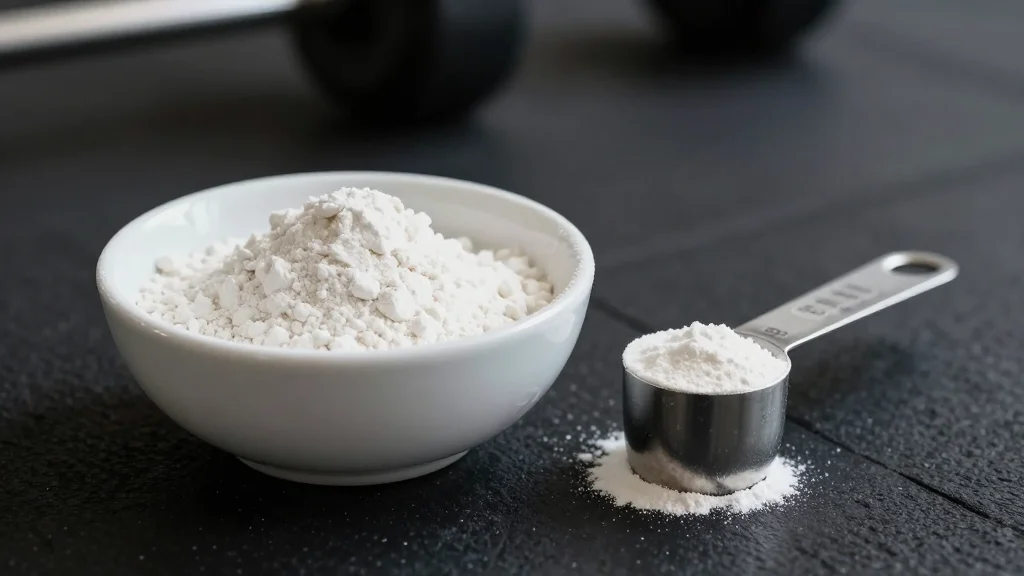
Texas A&M Researcher Advises Two 5‑gram Creatine Doses Daily, Warns Against Megadosing

Why It Matters
The recommendation challenges a pervasive myth that more creatine equals faster results, prompting athletes to reconsider long‑standing supplementation habits. By emphasizing cost‑effectiveness and scientific backing, the guidance could curb unnecessary spending on premium supplements and reduce the risk of gastrointestinal issues linked to high single doses. For the fitness industry, it signals a potential pivot toward evidence‑driven product positioning, encouraging brands to prioritize formulation clarity over hype. Furthermore, the shift may influence collegiate and professional training programs, where nutrition budgets are scrutinized. Adopting a standardized two‑dose protocol could streamline dietary planning, improve compliance, and free resources for other performance‑enhancing interventions such as protein optimization or recovery modalities.
Key Takeaways
- •Richard Kreider of Texas A&M recommends two 5‑gram creatine doses daily.
- •Research shows muscle saturation plateaus at ~10 g per day, making higher doses ineffective.
- •Megadosing adds cost without measurable performance gains.
- •Split dosing may reduce gastrointestinal discomfort compared to large single doses.
- •Industry may shift packaging and marketing strategies toward smaller, evidence‑based servings.
Pulse Analysis
Kreider’s stance arrives at a crossroads where anecdotal supplement practices clash with rigorous sports‑nutrition science. Historically, the “load‑then‑maintain” model—often 20 g for five days followed by 5 g daily—gained traction from early 1990s studies, but subsequent work has shown that a steady 5 g dose already maximizes muscle stores for most individuals. By advocating a split‑dose regimen, Kreider not only refines the daily total but also addresses timing, a factor that has been underexplored in mainstream advice.
From a market perspective, the recommendation could erode the premium pricing of high‑dose creatine blends that claim superior efficacy. Brands that have built narratives around “mega‑loading” may need to pivot to education‑focused campaigns, highlighting purity, solubility, and cost per serving rather than sheer quantity. This could democratize access, especially for younger athletes and budget‑conscious gym‑goers, fostering a more inclusive supplement ecosystem.
Looking forward, the fitness community’s response will hinge on how quickly peer‑reviewed data translates into coaching certifications and sports‑team protocols. If collegiate programs adopt Kreider’s protocol, it could set a new industry benchmark, prompting a cascade of updated guidelines from governing bodies like the International Society of Sports Nutrition. Until then, the conversation will likely remain split between data‑driven practitioners and those who trust personal trial‑and‑error, making the next wave of research on dosing timing and long‑term health outcomes crucial.
Texas A&M researcher advises two 5‑gram creatine doses daily, warns against megadosing
Comments
Want to join the conversation?
Loading comments...