The Best Heart Rate Monitors Give You The Most Accurate Training Data
Companies Mentioned
Why It Matters
Accurate HRM data lets athletes fine‑tune effort, improve performance, and avoid overtraining, while the right device choice impacts comfort, cost and long‑term adherence. As wearables become central to fitness ecosystems, understanding their strengths and limitations is critical for both recreational and elite runners.
Key Takeaways
- •Polar H10 delivers industry‑leading accuracy and waterproof chest‑strap comfort
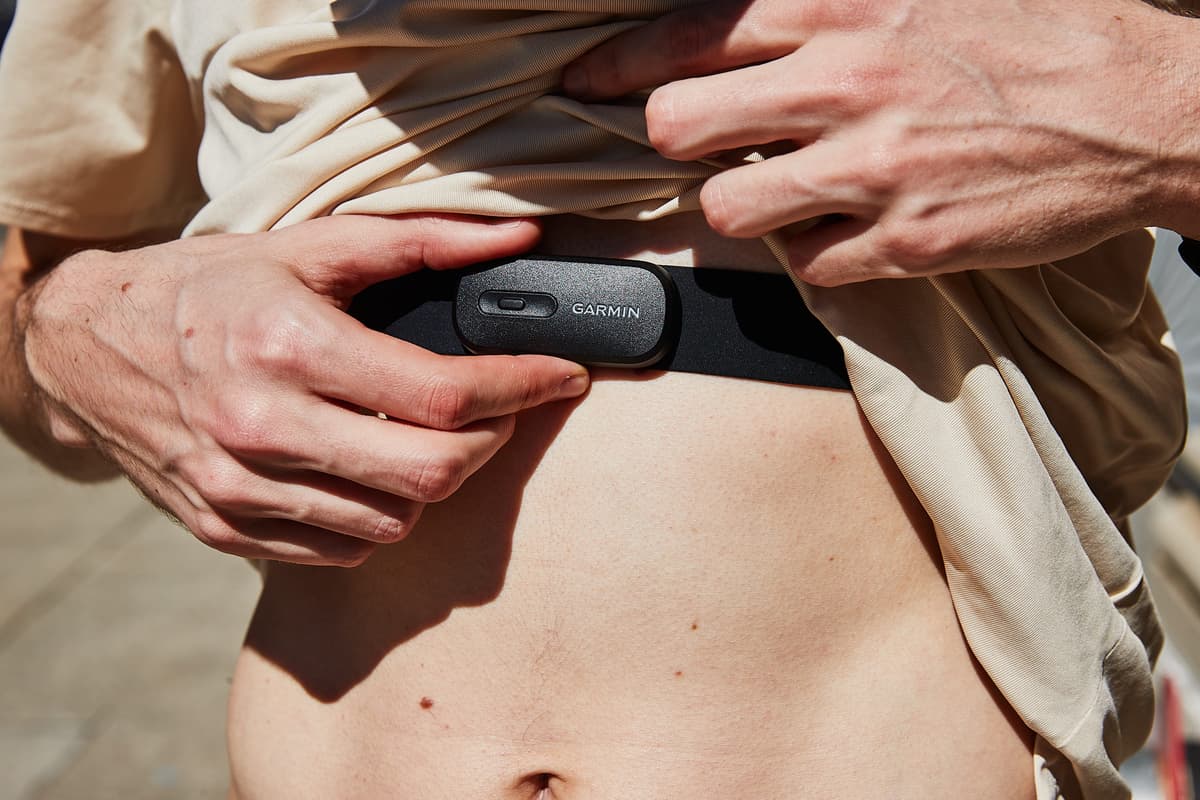
- •Garmin HRM‑Fit clips to sports bras, eliminating traditional strap discomfort
- •Whoop 5.0 provides continuous strain insights via a subscription‑based platform
- •Wrist‑based sensors lag during rapid spikes; chest straps remain gold standard
- •Size and bra compatibility remain key fit challenges for many HRMs
Pulse Analysis
Heart‑rate monitoring has moved from niche coaching tools to mainstream fitness staples, driven by advances in sensor technology and the rise of data‑centric training philosophies. Experts like Alyssa Lombardi argue that heart‑rate zones provide a practical framework for balancing low‑intensity recovery with high‑intensity intervals, yet they caution that physiological variables—temperature, hydration status, medication—can cause day‑to‑day fluctuations. Consequently, athletes who treat HRM readings as a flexible guide rather than an absolute prescription tend to achieve more sustainable performance gains while reducing injury risk.
The consumer market now offers a spectrum of HRM options, each targeting different user priorities. Chest‑strap models such as the Polar H10 remain the benchmark for accuracy, leveraging ECG technology to deliver near‑instantaneous data suitable for interval training and elite competition. Mid‑range alternatives like PowrLabs balance cost and reliability, while wearable bands and rings—Coros arm band, Oura Ring 4, Apple Watch Series 10— prioritize comfort and 24/7 health insights, often at the expense of raw precision. Subscription‑based platforms like Whoop add layers of recovery and strain analytics, turning raw heart‑rate data into actionable coaching cues, but they introduce recurring fees that can affect long‑term value calculations.
Choosing the right HRM hinges on personal biomechanics, apparel preferences, and budget constraints. Women, in particular, face fit challenges: chest straps can shift under supportive bras, and arm bands may irritate during heavy sweating. Prospective buyers should assess strap adjustability, compatibility with existing devices, and any ongoing subscription costs. As manufacturers integrate more multimodal sensors—temperature, SpO₂, ECG—the line between fitness tracker and medical‑grade monitor blurs, promising richer insights but also raising regulatory and privacy considerations. Staying informed about these trends enables runners to select tools that align with their training goals and lifestyle, ensuring that heart‑rate data truly enhances performance rather than becoming a distraction.
The Best Heart Rate Monitors Give You The Most Accurate Training Data
Comments
Want to join the conversation?
Loading comments...