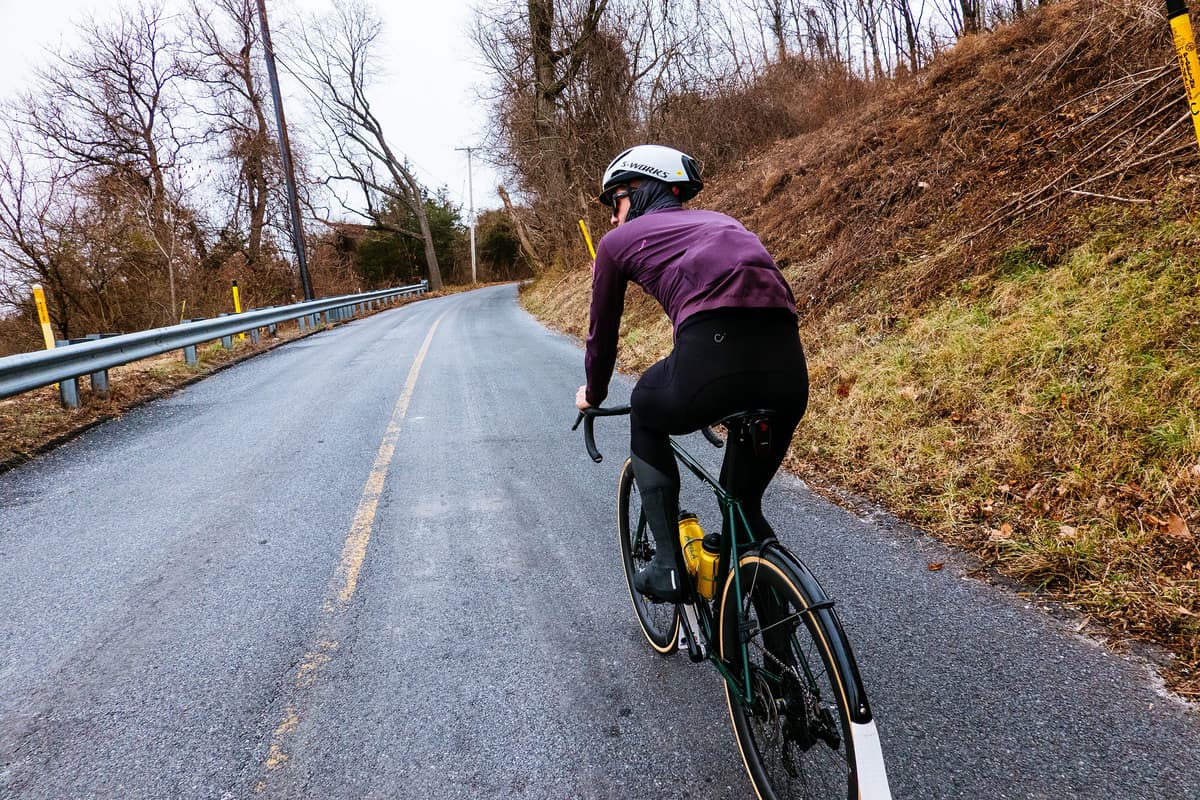
The Secret to Smarter Training Isn’t on Your Wrist. It’s Already Inside You.
Why It Matters
RPE empowers coaches and riders to deliver consistent performance across variable conditions, reducing dependence on costly wearables and lowering injury risk. This shift supports a more sustainable, athlete‑centric business model in the fitness industry.
Key Takeaways
- •RPE builds interoception, letting athletes gauge effort without gadgets
- •Subjective effort scales adapt instantly to terrain, weather, and fatigue
- •Combining RPE with periodic power or HR checks balances intuition and data
- •Consistent RPE use accelerates skill acquisition and mental toughness
- •Early RPE signals of elevated strain help prevent overtraining injuries
Pulse Analysis
Rate of Perceived Exertion (RPE) is resurging as a low‑tech cornerstone of endurance training. While power meters and heart‑rate monitors deliver precise numbers, they often miss the holistic fatigue that stems from sleep debt, stress, or environmental factors. RPE fills that gap by training athletes to listen to internal cues—breathing depth, muscle tightness, and mental focus—creating a feedback loop that is both immediate and context‑aware. This mind‑body approach aligns with the growing demand for personalized, data‑light coaching solutions that can be deployed anywhere, from high‑tech labs to remote trail rides.
From a business perspective, RPE offers a cost‑effective alternative for gyms, cycling clubs, and app developers seeking to broaden their audience beyond owners of expensive hardware. By integrating RPE modules into training platforms, providers can attract budget‑conscious cyclists while still delivering performance insights. Moreover, the subjective nature of RPE encourages greater coach‑athlete interaction, fostering loyalty and higher retention rates. Companies that blend RPE guidance with occasional objective checks position themselves as holistic performance partners rather than mere gadget sellers.
Practically, the 1‑10 RPE scale translates directly into training prescriptions: VO₂ intervals at 8‑9, threshold work at 7, tempo rides at 5‑6, and recovery at 1‑3. Athletes who internalize these zones report faster adaptation, because they learn to recognize the subtle shift from a sustainable effort to an unsustainable one before numbers spike. This heightened awareness not only improves race tactics—allowing riders to surge or conserve energy based on feel—but also serves as an early warning system for injury. In an era where burnout and overuse injuries are rising, RPE equips cyclists with a self‑regulating tool that safeguards long‑term health and performance.
The Secret to Smarter Training Isn’t on Your Wrist. It’s Already Inside You.
Comments
Want to join the conversation?
Loading comments...